

What is Sorghum Material Pneumatic Conveying? And What Are Its Design Principles?
Sorghum, a versatile cereal grain widely used in food, feed, and industrial applications, often requires efficient handling and transportation during processing. Pneumatic conveying is a critical technology in modern material handling systems, offering a flexible and effective method for moving sorghum and other bulk materials. This article explores the concept of sorghum material pneumatic conveying and delves into the fundamental design principles that underpin such systems.
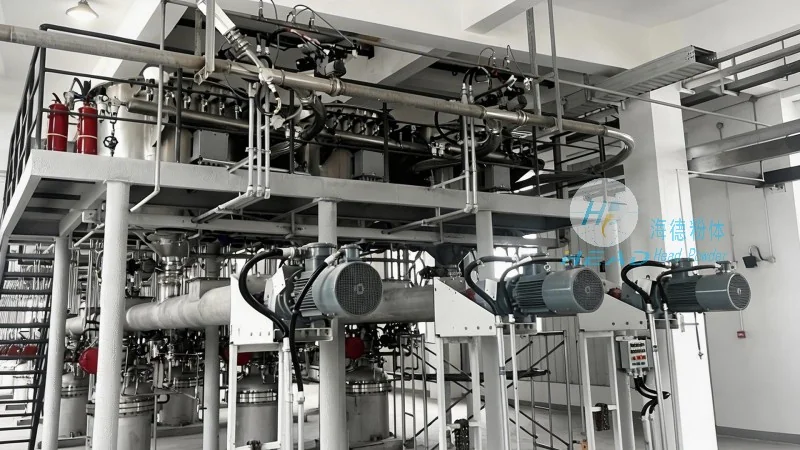
Understanding Pneumatic Conveying for Sorghum
Pneumatic conveying, also known as pneumatic transport, involves the use of air or other gases to transport bulk materials through a pipeline system. Unlike mechanical conveying methods like belt conveyors or screw conveyors, pneumatic systems use pressure differentials to move materials, making them particularly suitable for delicate or abrasive products like sorghum. The process typically involves a hopper, a conveyor line, and a receiver, with air being introduced to create a flow of material through the system.
The Role of Sorghum in Pneumatic Conveying Systems
Sorghum, with its distinct physical properties—such as particle size, density, and moisture content—requires specialized pneumatic conveying solutions to ensure efficient and safe transport. The grain's relatively small size and potential for dust generation necessitate systems designed to handle fine particles without clogging or loss of material. Additionally, the need to maintain product integrity during transport, especially for food-grade sorghum, drives the design of gentle handling mechanisms within the conveying system.
Key Design Principles for Sorghum Pneumatic Conveying
The design of a pneumatic conveying system for sorghum involves several critical principles aimed at optimizing performance, reliability, and cost-effectiveness. These principles include:
1. Air Velocity and Pressure
The velocity of the air within the pipeline is a primary factor in determining the efficiency of material transport. For sorghum, optimal air velocities are typically maintained between 20 to 30 meters per second to ensure that particles are fully suspended and moved without excessive wear on the system components. The pressure differential, created by a blower or compressor, must be sufficient to overcome the resistance of the pipeline and the weight of the material, while avoiding excessive energy consumption.
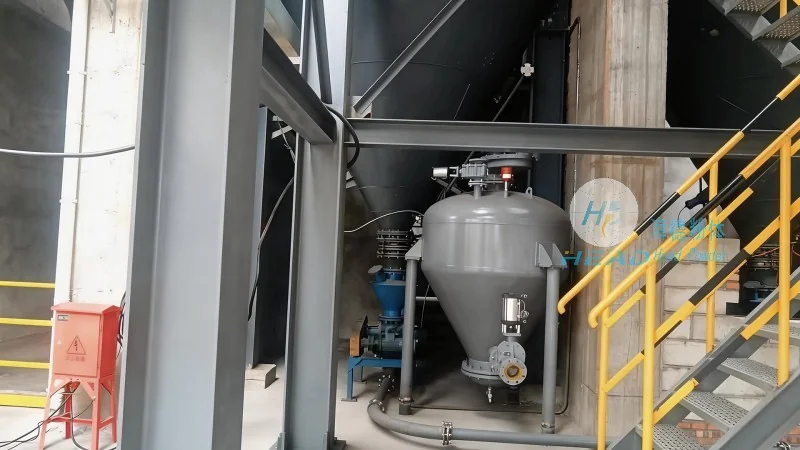
2. Pipeline Design and Material Selection
The design of the conveying pipeline is crucial for preventing material buildup and ensuring smooth flow. Pipelines are often made from materials like stainless steel or plastic, chosen for their resistance to corrosion and abrasion from sorghum particles. The internal diameter and length of the pipeline are carefully calculated to balance the air velocity and pressure requirements, minimizing energy loss and maximizing material throughput.
3. Hopper and Feeder Systems
The hopper, where sorghum is stored before transport, must be designed to provide a consistent flow of material into the conveyor line. A well-designed hopper ensures that the material is fed evenly and prevents bridging or segregation. The feeder, which controls the rate of material discharge, may use mechanisms like rotary valves or vibratory feeders to regulate the flow, ensuring that the air velocity remains within optimal ranges and preventing clogging.
4. Receiver and Dust Collection
The receiver, where the sorghum is deposited after transport, must be designed to handle the material efficiently and prevent dust accumulation. Many systems incorporate dust collection and filtration to maintain air quality and comply with environmental regulations. The receiver's design, including its shape and size, is tailored to minimize material spillage and facilitate easy unloading.
Benefits of Sorghum Pneumatic Conveying
Implementing a pneumatic conveying system for sorghum offers several advantages over traditional mechanical methods. These benefits include:
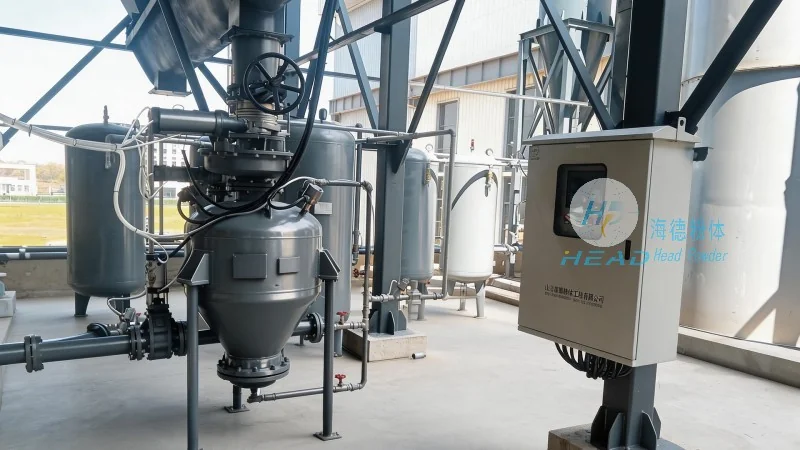
1. Reduced Labor and Space Requirements
Pneumatic systems require less floor space compared to large mechanical conveyors and can be installed in vertical or horizontal configurations, optimizing plant layout. The automated nature of the system reduces the need for manual labor in material handling, leading to increased operational efficiency and cost savings.
2. Improved Product Quality and Safety
By minimizing contact with mechanical components, pneumatic conveying reduces the risk of product contamination and damage. This is particularly important for food-grade sorghum, where maintaining product integrity is essential. Additionally, the enclosed system helps prevent dust emissions, improving workplace safety and compliance with environmental standards.
3. Flexibility and Scalability
Pneumatic conveying systems can be easily modified or expanded to accommodate changes in production volume or product types. The modular design allows for the addition of new conveying lines or receivers without major system overhauls, providing long-term flexibility for growing businesses.
Conclusion
Sorghum material pneumatic conveying is a sophisticated and efficient method for handling bulk materials, driven by well-defined design principles that prioritize performance, reliability, and product safety. As a leading provider in the industry, Shandong HeadPowder Engineering Co., Ltd., based in Shandong, China, specializes in designing and manufacturing customized pneumatic conveying systems tailored to the unique needs of sorghum processing facilities. By adhering to these design principles and leveraging advanced engineering solutions, companies can achieve optimal material handling, reduce operational costs, and enhance overall productivity in their sorghum processing operations.