

What is Loess Material Pneumatic Conveying? And What Are Its Design Principles?
Loess material pneumatic conveying is a specialized method for transporting solid particles, particularly loess—a type of soil commonly used in construction, agriculture, and industrial applications. This technology leverages compressed air or gas to move the material through a pipeline, offering advantages such as dust control, reduced labor costs, and the ability to transport materials over long distances without the need for physical contact with the material.
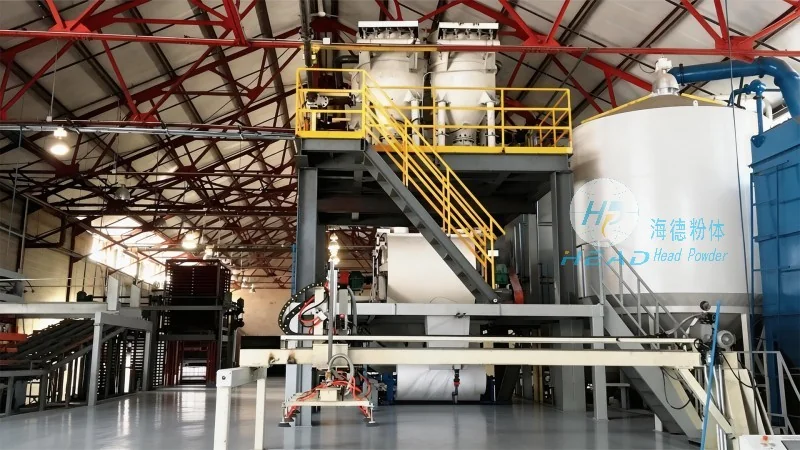
Understanding Loess Material Pneumatic Conveying
Loess, characterized by its fine particles and high silt content, presents unique challenges in traditional material handling. Conventional methods like belt conveyors or bucket elevators often struggle with dust generation and material degradation. Pneumatic conveying addresses these issues by using air to suspend and transport the particles, creating a closed system that minimizes environmental impact and improves safety. The process involves feeding the loess into a hopper, where it is mixed with air from a blower or compressor. The air-liquid (or in this case, air-solid) mixture then travels through the pipeline to the destination, such as a storage silo or processing plant. At the end of the pipeline, a separator separates the air from the loess, allowing the material to be collected while the air is either recirculated or filtered.
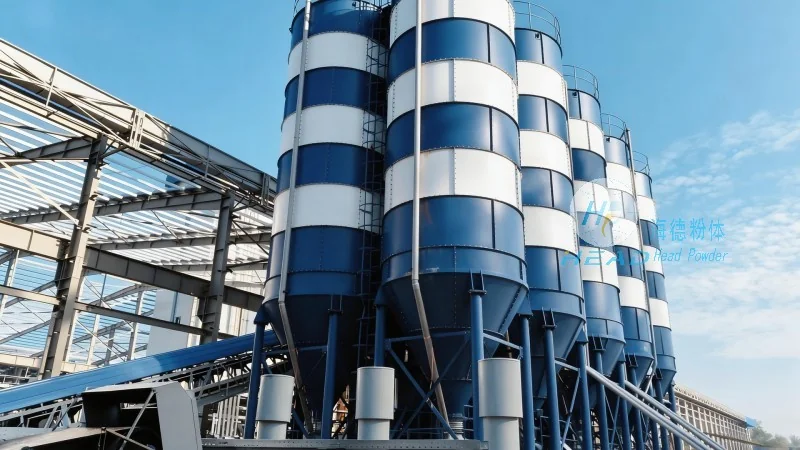
The Core Design Principles of Pneumatic Conveying Systems
The effectiveness of a loess material pneumatic conveying system depends on several critical design principles. First, the system must be designed to handle the specific properties of loess, including its density, particle size distribution, and moisture content. These factors influence the required air velocity and pressure to maintain a stable flow. Engineers calculate the necessary air velocity to ensure that the loess particles remain suspended in the air stream, preventing blockages or deposition in the pipeline. The pressure drop along the pipeline is another key consideration, as it determines the power required from the blower and the overall system efficiency. Proper sizing of the pipeline diameter, length, and bends is essential to minimize pressure losses and ensure consistent flow rates.
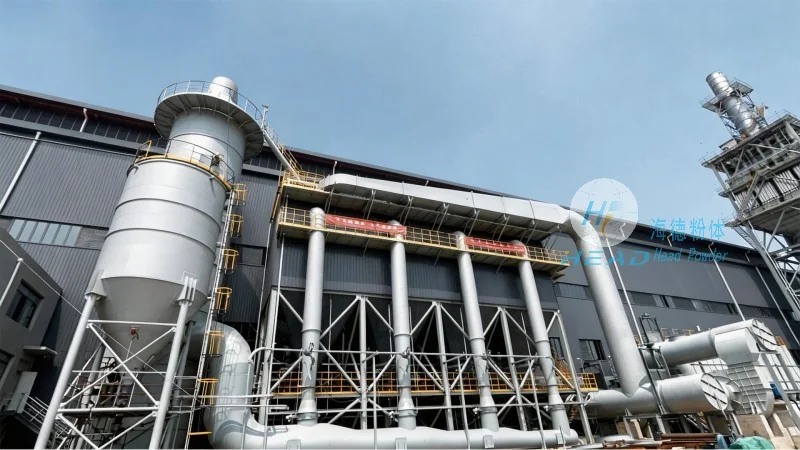
Components and Functionality of a Loess Pneumatic Conveying System
A typical loess pneumatic conveying system consists of several key components, each playing a vital role in the overall operation. The primary components include a hopper or feeder for material intake, a blower or compressor to generate the air pressure, a pipeline network to transport the material, a separator (such as a cyclone or bag filter) to separate air from the loess, and a collection tank or silo for the final product. The hopper is designed to feed the loess into the system at a controlled rate, preventing overloading and ensuring a steady flow. The blower or compressor provides the necessary pressure to move the material through the pipeline; the choice between positive pressure (where air pushes the material) and negative pressure (where air pulls the material) depends on the application and distance. The pipeline is typically made of materials like stainless steel or plastic, selected for their resistance to corrosion and wear from the loess particles. The separator at the end of the pipeline is crucial for recovering the air and preventing dust emissions. Cyclone separators use centrifugal force to separate larger particles from the air, while bag filters or cartridge filters capture fine dust particles, ensuring compliance with environmental regulations.
Customization and Application in Industrial Settings
Shandong HeadPowder Engineering Co., Ltd., a leading provider of material handling solutions, specializes in designing and manufacturing customized pneumatic conveying systems for loess and other similar materials. The company’s approach is tailored to the unique requirements of each client, whether for small-scale laboratory applications or large-scale industrial operations. By conducting thorough site assessments and material analysis, their engineers develop systems that optimize performance, energy efficiency, and cost-effectiveness. For example, in a construction site where loess is used for soil stabilization, a positive pressure system may be preferred to transport the material from a stockpile to a mixing plant. The system would be designed to handle the specific moisture content and particle size of the local loess, ensuring reliable operation even in variable weather conditions. Similarly, in an agricultural setting where loess is used as a soil amendment, the system could be integrated with other processing equipment to deliver the material to fields or storage facilities.
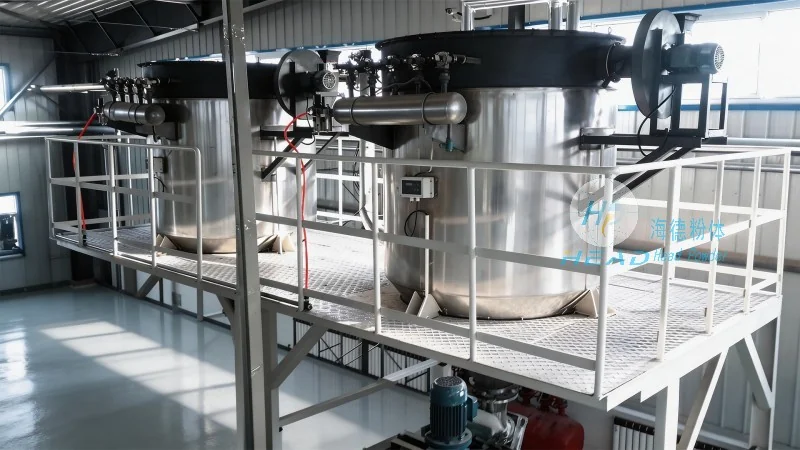
Advantages and Considerations for Loess Pneumatic Conveying
Compared to traditional material handling methods, loess pneumatic conveying offers several advantages. The most significant benefit is the reduction in dust exposure, which improves worker safety and reduces the risk of respiratory issues. Additionally, the closed system minimizes material loss and contamination, ensuring that the loess remains in a clean and usable state. The system also allows for flexible routing, as the pipeline can be easily reconfigured to adapt to changes in the production process or facility layout. However, there are also considerations to keep in mind when implementing a pneumatic conveying system. The initial investment cost can be higher than traditional methods, as it requires specialized equipment and installation. Additionally, the system requires regular maintenance to ensure optimal performance, including cleaning of the separator and checking the blower for wear and tear. Proper training for operators is also essential to prevent system failures and ensure safe operation.