

What is the Pneumatic Conveying of Organic Fertilizer Granular Materials? And What Are the Design Pr
Organic fertilizer granular material pneumatic conveying is a critical process in contemporary agricultural and fertilizer production. It involves transporting granular organic fertilizer through air or gas from one location to another, typically within a production facility or between processing stages. This method offers advantages over traditional mechanical systems, such as reduced labor costs, enhanced safety, and the ability to handle materials in a dust-free environment. Grasping the principles behind this technology is essential for optimizing the efficiency and effectiveness of fertilizer production lines.
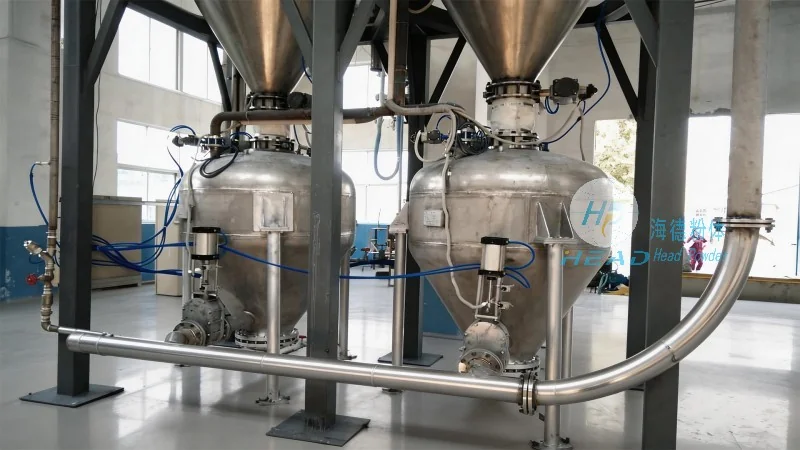
Understanding Pneumatic Conveying Systems
Pneumatic conveying systems utilize air or gas pressure to move bulk materials like organic fertilizer granules through pipelines. There are two primary types: pressure systems, which use compressed air to push material, and vacuum systems, which draw material using a vacuum. The choice depends on factors like distance, material properties, and desired flow rate. For organic fertilizer granules, which are often abrasive and generate dust, a well-designed system is vital to prevent equipment wear and maintain material integrity.
Key Components of Organic Fertilizer Granular Material Pneumatic Conveying
The effectiveness of a pneumatic conveying system for organic fertilizer granules hinges on critical components. These include the material feed hopper (holding granular fertilizer and feeding it into the system), the conveyor pipeline (transporting material), the air supply system (providing pressure or vacuum), and the control system (regulating flow and pressure). Each component must be carefully selected and integrated to ensure smooth operation and minimal downtime. For instance, the feed hopper may need a pre-screening mechanism to remove large particles or debris that could damage the system. The pipeline material must resist corrosion and abrasion, as organic fertilizers can be acidic or contain hard particles that would otherwise wear down metal components over time.
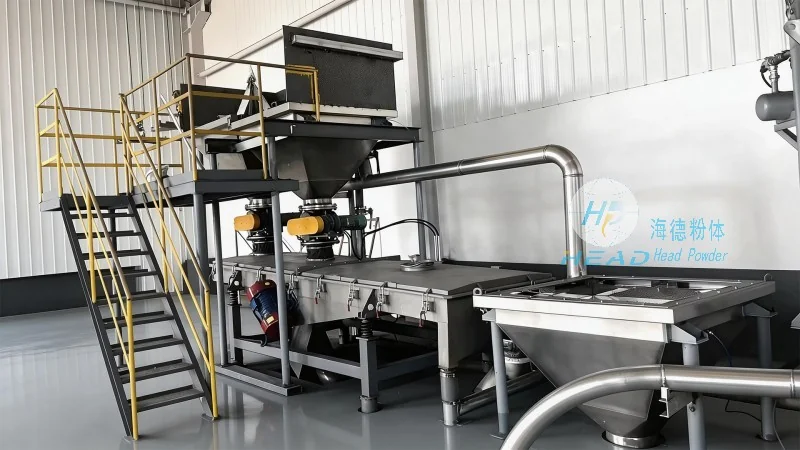
Design Principles for Efficient Organic Fertilizer Granular Material Conveying
Designing an efficient pneumatic conveying system for organic fertilizer granules requires expertise in fluid dynamics and material properties. The system must accommodate the fertilizer's characteristics, such as particle size distribution, moisture content, and bulk density. The air velocity within the pipeline is critical—it must be high enough to keep material suspended but not excessive to cause equipment wear or excessive dust. The system's layout must minimize travel distance and energy consumption, considering the production facility's overall design. Additionally, features like air filtration and dust collection are essential to maintain a clean, safe environment, particularly when handling organic fertilizers that may contain pathogens or contaminants.
Advantages of Pneumatic Conveying for Organic Fertilizer Granular Materials
Compared to traditional mechanical methods, pneumatic conveying offers key benefits for organic fertilizer granules. A major advantage is transporting materials in a closed system, preventing dust contamination and protecting the environment—critical for organic fertilizers used in agricultural settings. Another benefit is reduced maintenance needs, as pneumatic systems have fewer moving parts than mechanical systems like belt or screw conveyors, lowering operational costs and downtime. The technology also handles diverse material types and flow rates, making it versatile for various fertilizer processes. It allows better control over temperature and moisture, vital for maintaining final product quality.
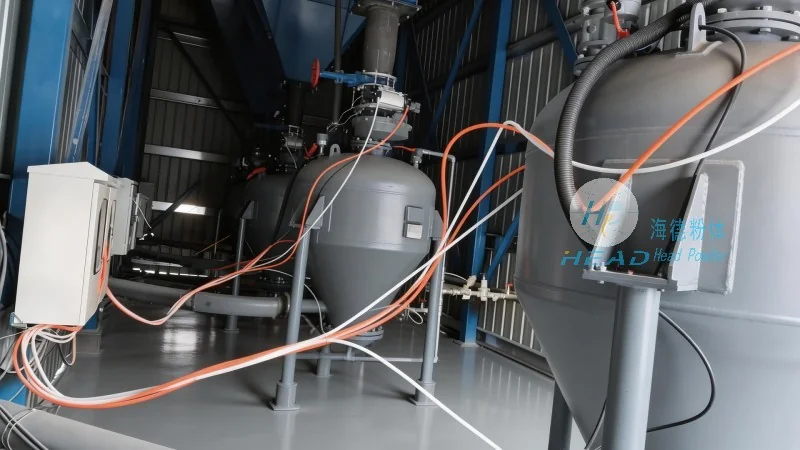
Challenges and Solutions in Organic Fertilizer Granular Material Pneumatic Conveying
Despite benefits, pneumatic conveying faces challenges. One is material buildup or blockages in pipelines, especially with sticky or high-moisture granules. Solutions include air knives or vibrators to break clumps and keep material flowing. Another challenge is maintaining air filtration systems to prevent clogging, requiring a planned maintenance schedule and high-quality filters for abrasive fertilizers. The system must also handle varying fertilizer properties, as some are harder to convey due to particle size or density. By addressing these challenges through careful design and regular maintenance, manufacturers ensure reliable, efficient operation.
Conclusion: The Importance of Proper Design and Implementation
In summary, pneumatic conveying of organic fertilizer granules is a sophisticated process requiring careful consideration of material properties and system design. Understanding key components, design principles, and challenges enables manufacturers to optimize systems for higher efficiency, lower costs, and better product quality. The technology offers significant advantages over traditional methods, making it essential for modern fertilizer production. As demand for organic fertilizers grows, reliable pneumatic conveying systems will become increasingly important. Companies like Shandong HeadPowder Engineering Co., Ltd., with engineering expertise, play a crucial role in providing solutions that meet industry needs.