

What is a Negative Pressure Material Pneumatic Conveying System? And What Are Its Design Principles?
Understanding the fundamentals of negative pressure material pneumatic conveying systems is crucial for industries that rely on efficient and reliable material handling solutions. This article delves into the core concepts, design principles, and practical applications of such systems, providing a comprehensive overview for professionals seeking to enhance their material handling processes.
Introduction to Negative Pressure Pneumatic Conveying
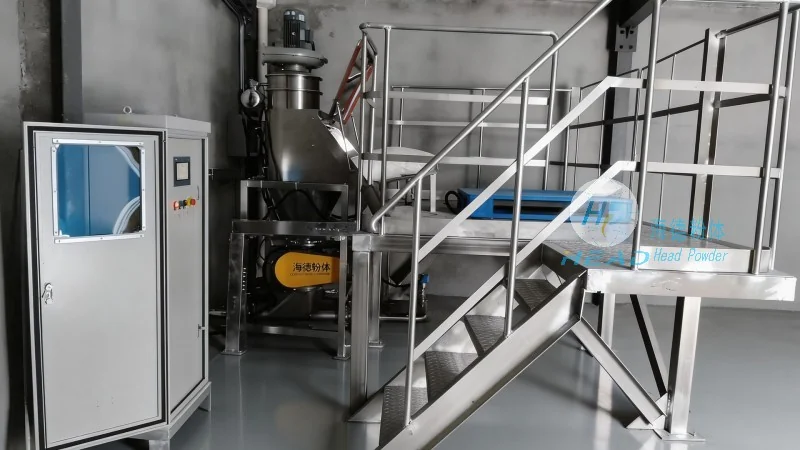
At the heart of many industrial operations is the need to transport bulk materials from one location to another with precision and efficiency. Negative pressure material pneumatic conveying systems offer a sophisticated solution to this challenge by utilizing a vacuum environment to draw materials into a conveying line. Unlike positive pressure systems that push materials forward, negative pressure systems create a low-pressure zone that pulls material through the system, making them ideal for applications where dust control, product integrity, and environmental compliance are paramount.
Key Components of a Negative Pressure Conveying System
Every negative pressure material pneumatic conveying system consists of several critical components that work in tandem to ensure optimal performance. These components include the material source, the vacuum pump, the conveying line, the receiver, and various control and monitoring devices. The material source, such as a hopper or a bin, holds the bulk material that needs to be transported. The vacuum pump, typically a rotary vane or a liquid ring pump, generates the negative pressure required to draw the material into the system. The conveying line, often made of stainless steel or other corrosion-resistant materials, transports the material from the source to the receiver. The receiver, where the material is deposited, is designed to handle the material's characteristics and prevent spillage or contamination. Additionally, control devices like pressure sensors and flow meters help monitor the system's performance and ensure smooth operation.
Design Principles and Operational Mechanics
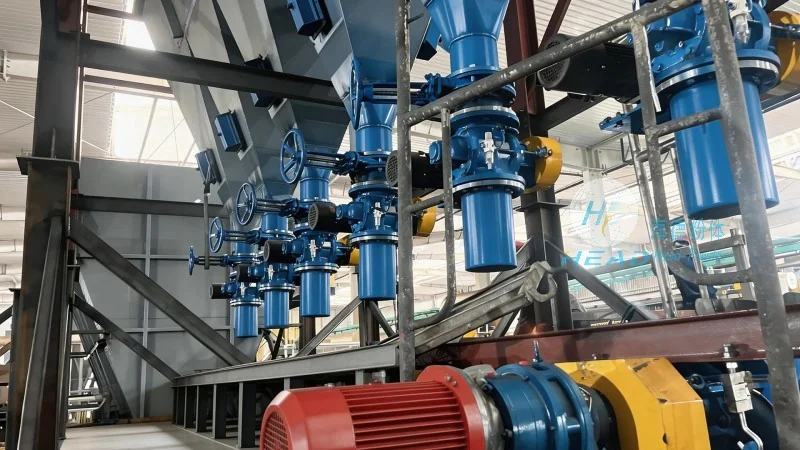
The design of a negative pressure material pneumatic conveying system is guided by several key principles to ensure efficiency, reliability, and safety. One of the primary design considerations is the material's properties, including its particle size, density, and moisture content. These factors influence the system's capacity and the type of pump and conveying line required. For example, fine powders may require a higher vacuum and a smaller conveying line diameter to prevent clogging, while larger particles may need a larger line and a more robust pump to maintain flow. Another critical design principle is the system's layout and the distance between the material source and the receiver. The layout must be designed to minimize pressure drops and ensure that the vacuum pump can maintain the necessary negative pressure throughout the entire conveying path. Additionally, the system must be equipped with proper filtration and dust collection to comply with environmental regulations and maintain air quality in the workplace.
Advantages of Negative Pressure Pneumatic Conveying
Compared to other material handling methods, negative pressure pneumatic conveying systems offer several distinct advantages that make them a preferred choice for many industries. One of the most significant advantages is their ability to handle a wide range of materials, from fine powders to bulk solids, without causing degradation or contamination. The vacuum environment prevents material from coming into contact with air, which can affect its quality or cause dust emissions. Another advantage is the system's dust control capabilities. By drawing material into the system and capturing dust at the source, negative pressure systems reduce the risk of dust explosions and improve workplace safety. Additionally, these systems are relatively compact and can be integrated into existing facilities, making them a cost-effective solution for many applications. Finally, negative pressure systems are energy-efficient, as they require less power to operate compared to positive pressure systems, which can lead to long-term cost savings.
Applications and Industries
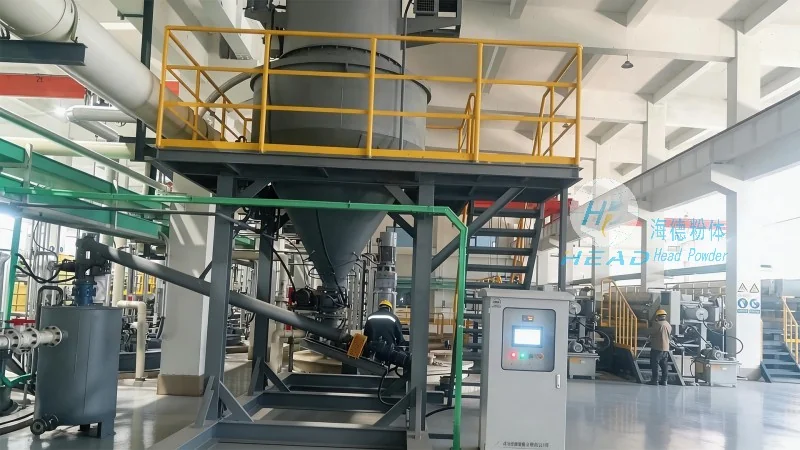
Negative pressure material pneumatic conveying systems are widely used in various industries, including pharmaceuticals, food processing, chemical manufacturing, and mining. In the pharmaceutical industry, these systems are used to transport sensitive powders and granules, ensuring that the materials remain sterile and free from contamination. In food processing, they are used to handle ingredients like flour, sugar, and spices, maintaining product quality and safety. In chemical manufacturing, they are used to transport hazardous materials, such as powders and granules, while minimizing the risk of exposure to workers. In mining, they are used to transport bulk materials like coal and ore, improving efficiency and reducing labor costs.
Conclusion and Future Developments
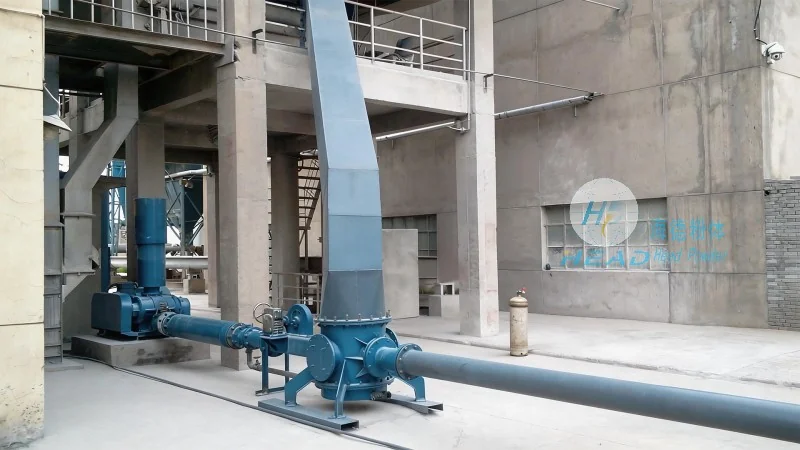
As industries continue to demand more efficient and reliable material handling solutions, negative pressure material pneumatic conveying systems remain a vital technology. The design principles and operational mechanics of these systems have evolved over time, incorporating advanced materials and control technologies to enhance performance and safety. Looking ahead, the development of more energy-efficient vacuum pumps and the integration of automation and IoT technologies will further improve the capabilities of negative pressure systems. For companies seeking to optimize their material handling processes, understanding the fundamentals of negative pressure pneumatic conveying is essential. By leveraging the advantages of these systems, businesses can enhance productivity, reduce costs, and ensure compliance with environmental regulations.
HeadPowder, a leading provider of material handling solutions, specializes in designing and manufacturing high-quality negative pressure material pneumatic conveying systems. With years of experience and a commitment to innovation, HeadPowder offers tailored solutions to meet the unique needs of its clients. The company's headquarters is located in Shandong, China, and it serves clients worldwide with its expertise and dedication to quality. Whether you are in the pharmaceutical, food, chemical, or mining industry, HeadPowder can provide the perfect solution to your material handling challenges.