

Working Principle and Features of Corn Feed Pneumatic Conveying Equipment
Shandong HeadPowder Engineering Co., Ltd., commonly known as headpowder, is a professional manufacturer based in Shandong, China. The company specializes in the design, development, and production of advanced pneumatic conveying equipment tailored for the agricultural feed industry, particularly for handling corn feed. This article delves into the working principle and key features of corn feed pneumatic conveying equipment, providing a comprehensive understanding of how such systems operate and the advantages they offer.
Understanding the Working Principle of Corn Feed Pneumatic Conveying Equipment
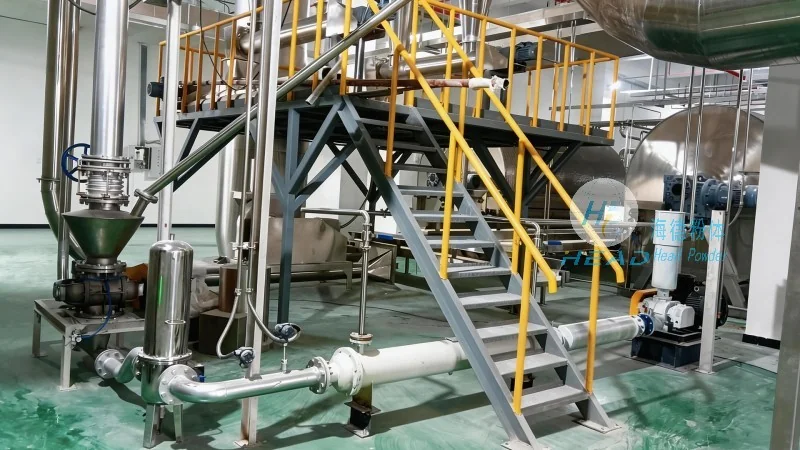
Pneumatic conveying equipment for corn feed operates by utilizing air pressure to transport bulk materials, such as corn feed, through a closed pipeline system. The core mechanism involves the generation of airflow by a fan or blower, which creates a pressure differential that moves the material from the source to the destination. There are primarily two types of pneumatic conveying systems: positive pressure and negative pressure. In a positive pressure system, the fan supplies air under pressure into the conveying line, pushing the material forward. Conversely, a negative pressure system draws air out of the line, creating a vacuum that pulls the material in. For corn feed applications, positive pressure systems are often preferred due to their ability to handle abrasive materials and prevent dust contamination, which is critical for maintaining product quality and safety.
The process typically begins with the corn feed being fed into a hopper or feeder. From there, the material is metered and introduced into the conveying line by an airlock or rotary valve. The fan then generates the necessary airflow, which carries the feed particles through the pipeline. The conveying line may include bends, elbows, and vertical sections, all designed to minimize pressure loss and ensure smooth material flow. At the receiving end, a cyclone separator or filter is used to separate the feed from the air, allowing the feed to be discharged into a storage bin or processing unit. The air, now containing fine particles, is then filtered and recycled back to the fan, completing the cycle.
Key Features and Advantages of Corn Feed Pneumatic Conveying Equipment
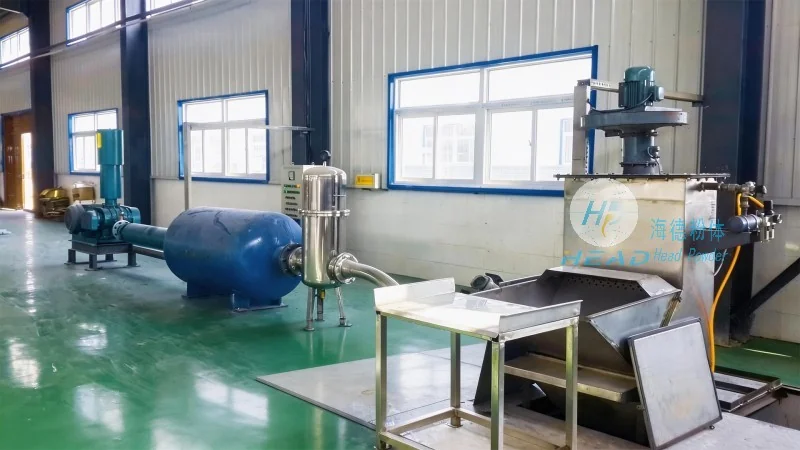
The corn feed pneumatic conveying equipment from headpowder is engineered with several distinct features that enhance its performance and reliability. Firstly, the system offers high efficiency in material transport, with the ability to move large volumes of corn feed over significant distances with minimal energy consumption compared to traditional mechanical conveying methods. This efficiency is achieved through optimized airflow design and efficient use of pressure differentials.
Secondly, the equipment is designed with environmental considerations in mind. By operating in a closed system, it effectively prevents dust and particle emissions, which is crucial for maintaining a clean and safe working environment, especially in feed processing facilities. The enclosed pipeline also helps in controlling odors and reducing the risk of contamination from external sources.
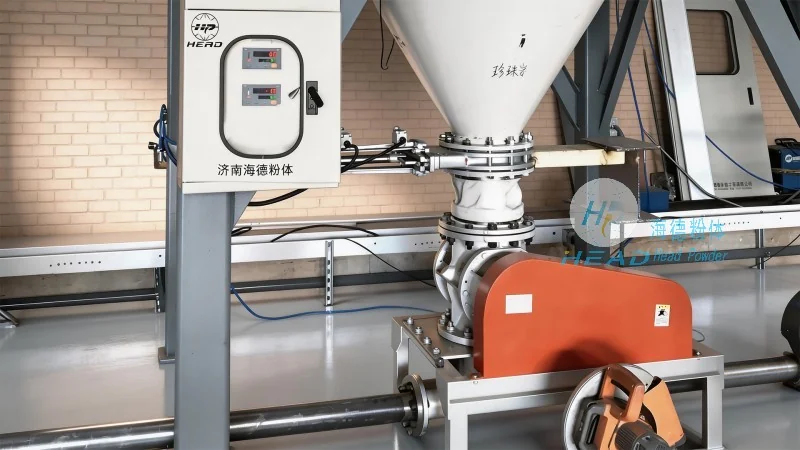
Thirdly, the equipment is built for durability and low maintenance. The components, such as the fan, hopper, and conveying line, are constructed from high-quality materials, including stainless steel and corrosion-resistant alloys, which are resistant to the abrasive nature of corn feed and the potential for moisture or chemical exposure. This reduces the need for frequent repairs and replacements, leading to lower long-term operational costs.
Additionally, the system is highly adaptable to various feed types and processing requirements. It can handle different particle sizes and moisture contents, making it suitable for a wide range of corn feed products, from raw corn to processed feed pellets. The modular design allows for easy customization and integration into existing feed processing lines, ensuring seamless operation and minimal disruption to production schedules.
Application and Benefits in Feed Processing
Corn feed pneumatic conveying equipment is widely used in the feed manufacturing industry for its ability to efficiently transport raw materials and finished products. In a typical feed plant, the equipment is used to move corn from storage silos to the grinding and mixing stages, and then to the packaging or storage areas. The closed system ensures that the feed remains uncontaminated and maintains its nutritional value throughout the transport process. This is particularly important for corn feed, which is a primary ingredient in animal feed, as any contamination could affect the health and growth of livestock.
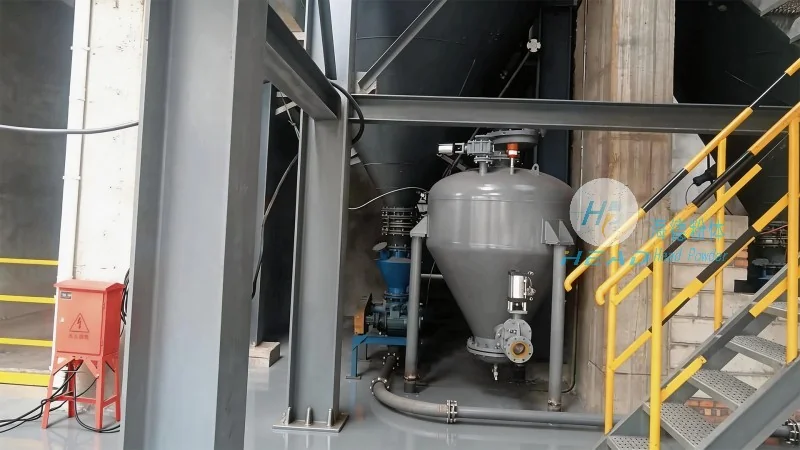
The benefits of using such equipment extend beyond efficiency and environmental protection. By reducing the need for manual handling and mechanical conveyors, the system minimizes labor costs and the risk of workplace injuries. It also improves product quality by preventing dust accumulation and cross-contamination, which can lead to spoilage or reduced nutritional content. Furthermore, the consistent and controlled flow of material ensures that feed processing lines operate smoothly, with fewer downtime incidents and higher overall productivity.
Conclusion
Shandong HeadPowder Engineering Co., Ltd. provides advanced corn feed pneumatic conveying equipment that combines efficient operation with robust design. The working principle, based on air pressure and closed pipeline systems, ensures reliable transport of corn feed while the key features, including high efficiency, environmental friendliness, and durability, make it an ideal choice for feed processing facilities. By investing in such equipment, feed manufacturers can enhance their operational efficiency, maintain product quality, and reduce long-term costs, ultimately contributing to the success of their business in the competitive agricultural feed market.