

Working Principle and Features of Artificial Graphite Pneumatic Conveying Equipment
Artificial graphite is a widely used material in various industrial applications due to its excellent electrical and thermal conductivity, as well as its high strength and resistance to corrosion. Pneumatic conveying equipment is a critical component for transporting artificial graphite powder and granules efficiently and safely. This article will explore the working principle and key features of artificial graphite pneumatic conveying equipment, providing insights into how it operates and its advantages in industrial settings, with a focus on the solutions offered by Shandong HeadPowder Engineering Co., Ltd.
Working Principle of Artificial Graphite Pneumatic Conveying Equipment
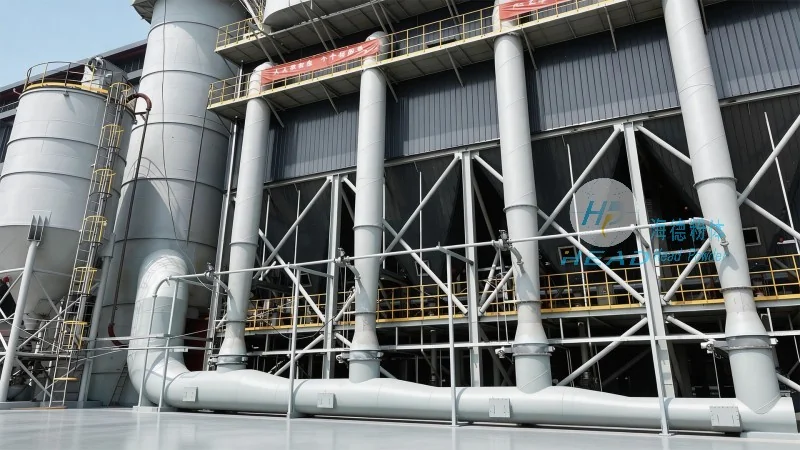
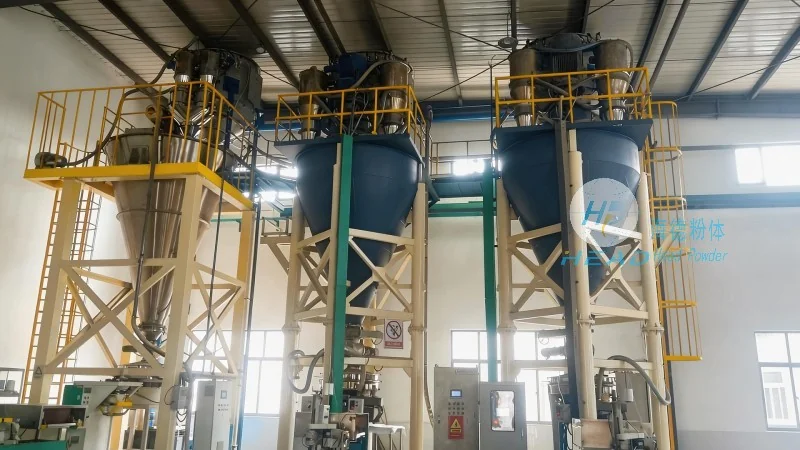
The core working principle of pneumatic conveying systems involves the use of compressed air or other gases to transport bulk materials like artificial graphite through a pipeline. In the case of artificial graphite, the equipment typically operates on the principle of dilute-phase or dense-phase conveying, depending on the specific application requirements. The process generally starts with the material being fed into a hopper or feeder, where it is then introduced into the conveying line. Compressed air is then introduced into the line, creating a flow that propels the graphite particles forward. The system may include components such as a rotary valve, a filter, and a silencer to ensure smooth operation and control of the air flow. The efficiency of the conveying process is influenced by factors like the particle size, moisture content, and the air pressure used. For artificial graphite, which often has fine particles, the system is designed to minimize particle agglomeration and ensure consistent flow. The working principle ensures that the material is transported without the need for mechanical components that could cause contamination or wear, making it suitable for applications where purity is critical. Shandong HeadPowder Engineering Co., Ltd. specializes in designing and manufacturing such equipment, ensuring that each system is tailored to meet the specific needs of clients, including the material characteristics and the required conveying capacity.
Key Features of Artificial Graphite Pneumatic Conveying Equipment
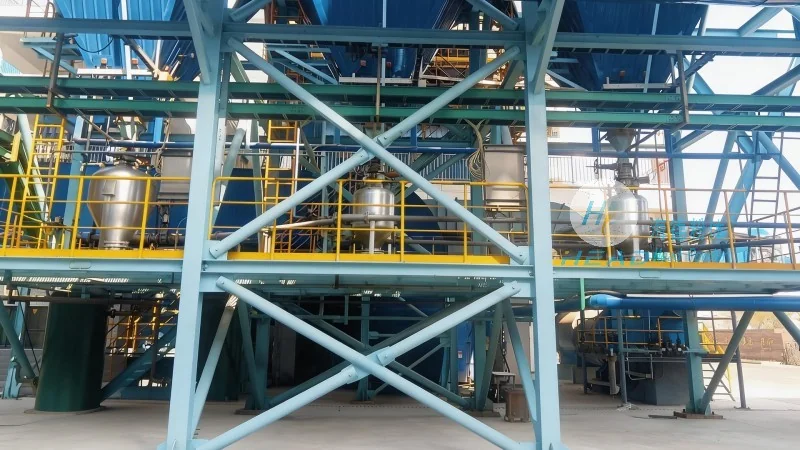
Artificial graphite pneumatic conveying equipment offers several distinct features that make it an ideal choice for industrial applications. One of the primary advantages is its ability to handle fine powders and granules without the need for mechanical conveying components, which reduces the risk of contamination and material degradation. The system is also highly flexible, allowing for changes in the conveying route or capacity without significant modifications. Another key feature is its energy efficiency, as it uses compressed air to move the material, which can be more cost-effective compared to traditional mechanical conveyors, especially for long-distance or high-volume transport. Safety is another critical feature, as the system operates in a closed environment, minimizing dust emissions and the risk of fire or explosion, which is particularly important when handling flammable or reactive materials like artificial graphite. Additionally, the equipment is designed for easy maintenance, with components that can be easily accessed and replaced, reducing downtime and operational costs. The features also include the ability to integrate with other industrial processes, such as mixing or drying, to create a comprehensive material handling system. Overall, the combination of efficiency, safety, and flexibility makes artificial graphite pneumatic conveying equipment a preferred solution for many industries that rely on artificial graphite. Shandong HeadPowder Engineering Co., Ltd. emphasizes these features in their product design, ensuring that clients receive equipment that not only meets but exceeds industry standards.
Application and Benefits in Industrial Settings
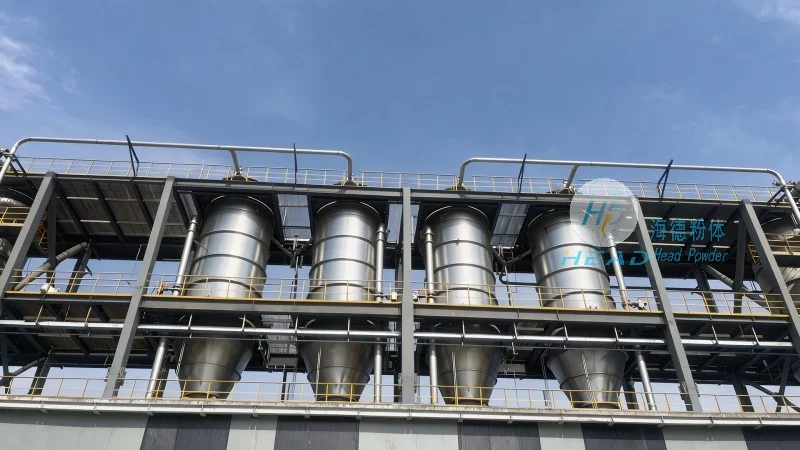
The application of artificial graphite pneumatic conveying equipment spans various industries, including battery manufacturing, carbon fiber production, and chemical processing. In battery manufacturing, for example, the equipment is used to transport artificial graphite powder to the electrode production line, where it is mixed with other materials to form the cathode or anode. The precision and control offered by the system ensure that the graphite particles are evenly distributed, which is crucial for the performance of the final battery product. In carbon fiber production, the equipment helps in the transport of graphite powders used in the production of carbon fiber precursors, ensuring consistent quality and reducing waste. The benefits of using this equipment in these applications include improved production efficiency, reduced labor costs, and enhanced product quality. The equipment also contributes to a safer working environment by minimizing dust exposure and the risk of accidents, which is essential in industries where safety regulations are stringent. Furthermore, the system's ability to handle large volumes of material at a time reduces the number of handling steps, streamlining the production process and improving overall productivity. The combination of these benefits makes artificial graphite pneumatic conveying equipment a valuable asset for companies operating in industries that require high-quality and reliable material transport solutions. Shandong HeadPowder Engineering Co., Ltd. has successfully implemented such systems for numerous clients, helping them achieve operational excellence and meet their production targets.