

Working Principle and Features of Micropowder Pneumatic Conveying Equipment
For industrial applications involving the transport of fine powders, micropowder pneumatic conveying equipment offers a reliable and efficient solution. This equipment is designed to handle materials with particle sizes typically ranging from a few microns to several millimeters, making it suitable for a wide range of industries including pharmaceuticals, food processing, and chemical manufacturing.
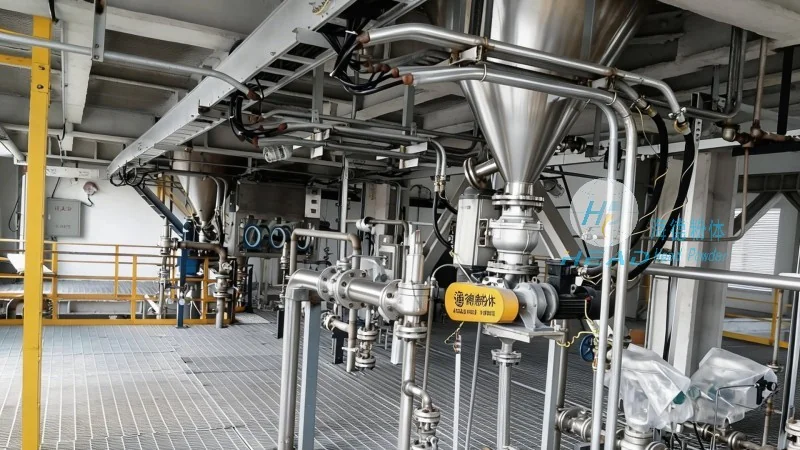
Working Principle of Micropowder Pneumatic Conveying Equipment
The core mechanism of micropowder pneumatic conveying involves the use of compressed air or gas to transport particulate materials through a pipeline system. There are two primary methods: positive pressure and negative pressure (or vacuum) systems. In a positive pressure system, air is blown into the pipeline, creating a pressure higher than the ambient air, which propels the powder forward. Conversely, negative pressure systems draw air and powder into the pipeline using a vacuum, creating a pressure lower than the surrounding environment. The choice between these systems depends on factors such as the material's properties, the distance to be conveyed, and the desired level of containment. The equipment typically includes a hopper for material storage, a feeder to control the flow rate, a conveying line, and a receiver for the discharged material. The compressed air or vacuum is generated by a blower or vacuum pump, respectively. The feeder may be a rotary valve, a star feeder, or a screw feeder, which ensures a consistent and controlled flow of the micropowder into the conveying line. The conveying line is usually made of stainless steel or other corrosion-resistant materials to prevent material buildup and contamination. The receiver is designed to collect the conveyed powder and may include a filter to separate any entrained air from the product. The entire system is engineered to minimize product degradation, ensure consistent flow rates, and maintain product integrity throughout the conveying process.
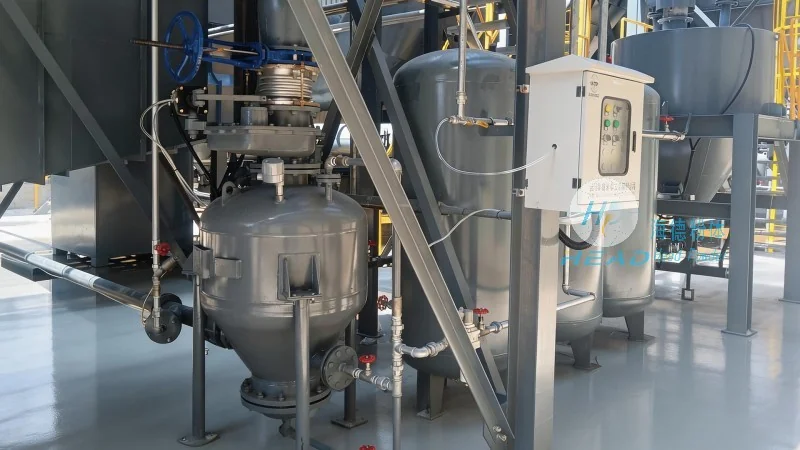
Key Features and Advantages of Micropowder Pneumatic Conveying Equipment
Micropowder pneumatic conveying equipment offers several advantages that make it a preferred choice for many industries. One of the most significant benefits is its ability to transport fine powders over long distances without the need for mechanical components like belts or chains, which can cause product contamination or degradation. The equipment is also highly efficient in terms of energy consumption, as it uses compressed air or vacuum to move the material, which can be more cost-effective than traditional mechanical conveying methods, especially for high-volume applications. Additionally, the system is designed to be hygienic and easy to clean, which is crucial for industries such as food and pharmaceuticals where product purity and compliance with regulatory standards are paramount. The equipment can be configured to handle various types of micropowders, including those that are abrasive, sticky, or sensitive to moisture, making it versatile for different applications. Another key feature is the ability to integrate with other processing equipment, such as mixers, dryers, or packaging machines, allowing for a seamless flow of materials through the production line. The system also provides better control over the flow rate and pressure, which helps in maintaining consistent product quality and reducing waste. Furthermore, the equipment is relatively low in maintenance, as it has fewer moving parts compared to mechanical conveying systems, which reduces downtime and operational costs. The use of stainless steel components ensures durability and resistance to corrosion, extending the equipment's lifespan and reducing the need for frequent replacements.
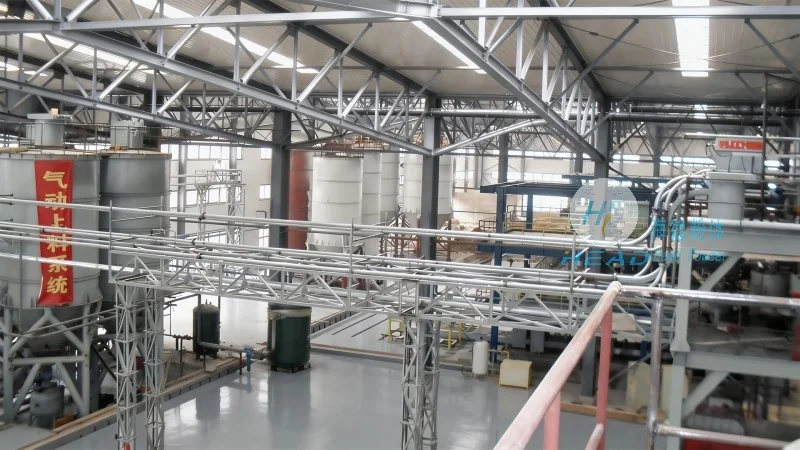
Application Examples and Industry Use Cases
Micropowder pneumatic conveying equipment is widely used in various industries due to its adaptability and efficiency. In the pharmaceutical industry, it is used to transport active pharmaceutical ingredients (APIs) and excipients, ensuring that the materials are handled in a sterile and controlled environment. The equipment's ability to maintain product purity and prevent cross-contamination is critical in this sector. In the food processing industry, it is used to transport ingredients such as flour, sugar, and spices, which are often fine powders. The hygienic design of the equipment ensures that the food products remain safe and meet regulatory standards. In the chemical industry, it is used to transport various chemical powders, including those that are corrosive or reactive. The equipment's robust construction and corrosion-resistant materials make it suitable for handling such materials. Additionally, in the agricultural sector, it is used to transport fertilizers and pesticides, which are often in powder form. The equipment's efficiency in moving large quantities of material over long distances makes it ideal for agricultural applications. Overall, the micropowder pneumatic conveying equipment from Shandong HeadPowder Engineering Co., Ltd. is a reliable and versatile solution for industries that require the safe and efficient transport of fine powders.