

Working Principle and Features of Sand Pneumatic Conveying Equipment
For industrial operations that require the efficient transport of sand and other dry bulk materials, pneumatic conveying systems have emerged as a preferred solution. These systems utilize compressed air to move materials through a sealed pipeline, offering advantages over traditional mechanical conveyors such as reduced maintenance, improved safety, and enhanced flexibility. This article delves into the working principle and key characteristics of sand pneumatic conveyors, providing insights into how they optimize material handling processes in various industries.
Working Principle of Sand Pneumatic Conveyors
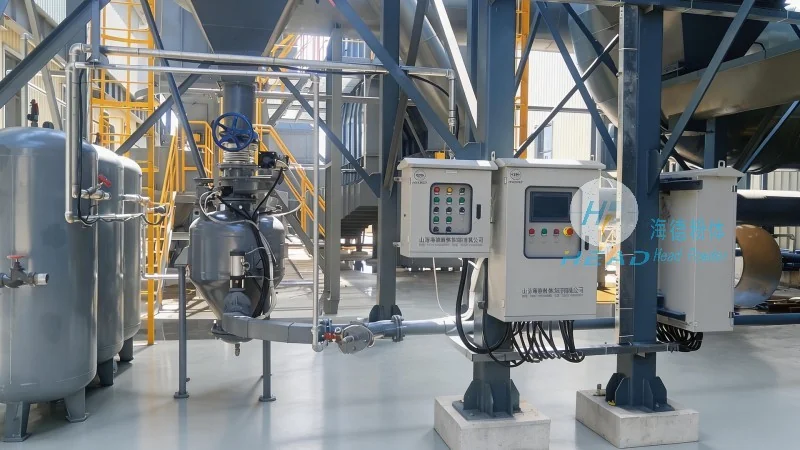
HeadPowder's sand pneumatic conveying equipment operates based on the fundamental principle of air pressure to transport dry bulk materials. The system typically includes a hopper for material storage, a blower or compressor to generate the necessary air pressure, and a pipeline network that guides the sand from the source to the destination. The process begins when air is introduced into the hopper, creating a low-pressure environment that draws the sand particles into the pipeline. The air then acts as a carrier, moving the sand through the system under controlled pressure. At the receiving end, the air is separated from the sand, and the material is deposited. This method eliminates the need for mechanical components like belts, buckets, or screw conveyors, reducing wear and tear and lowering operational costs.
Key Features of Sand Pneumatic Conveying Systems
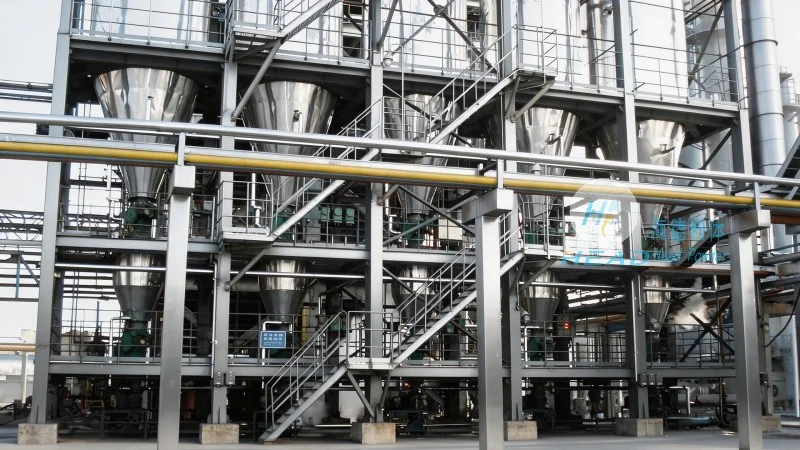
Shandong HeadPowder Engineering Co., Ltd. specializes in developing advanced sand pneumatic conveying systems with several distinct features. Firstly, the system is highly adaptable, allowing for vertical, horizontal, or inclined transport of sand, which accommodates diverse plant layouts and operational requirements. Secondly, it provides superior dust control, as the material is contained within the pipeline, minimizing environmental pollution and enhancing workplace safety. Thirdly, the equipment is energy-efficient, with optimized air flow and pressure regulation that reduces power consumption compared to conventional mechanical conveyors. Additionally, the system features modular components that simplify installation, maintenance, and upgrades, reducing downtime and maintenance expenses. These features make sand pneumatic conveyors suitable for applications in construction material processing, mining, chemical manufacturing, and other industries where bulk material transport is critical.
Benefits of Implementing Sand Pneumatic Conveying Equipment
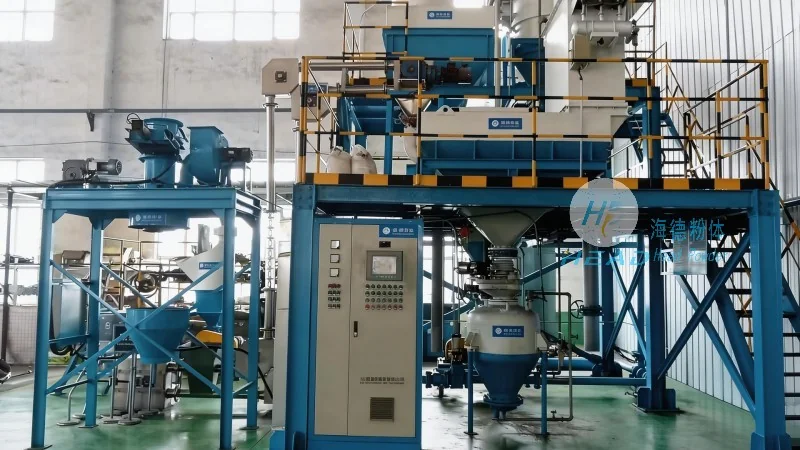
The integration of sand pneumatic conveying systems into industrial processes yields significant benefits. By automating the material transport process, the system increases productivity and reduces labor costs associated with manual handling. The enclosed pipeline design prevents material contamination and loss, ensuring consistent quality of the transported sand, which is crucial for applications like concrete production or sand filtration. Furthermore, the system's ability to handle abrasive materials without causing excessive wear on components extends the equipment's lifespan and reduces replacement costs. The energy efficiency of the system contributes to lower operational expenses and aligns with sustainability objectives, making it an environmentally friendly choice. Overall, sand pneumatic conveyors offer a reliable, efficient, and cost-effective solution for bulk material transport, enhancing operational efficiency and reducing long-term costs for industrial facilities.