

Working Principle and Features of Plastic Pneumatic Conveying Equipment
Plastic pneumatic conveying equipment is a critical component in modern material handling systems, designed to efficiently and safely transport plastic powders, granules, and other plastic materials. Understanding its working principle and key features is essential for selecting the appropriate equipment for specific industrial applications.
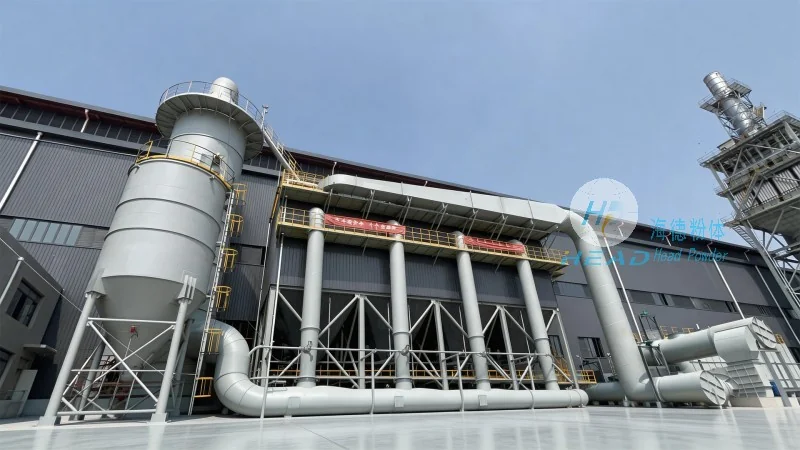
Working Principle of Plastic Pneumatic Conveying Equipment
Plastic pneumatic conveying systems operate by utilizing compressed air or gas to move plastic materials through a pipeline. The process typically involves several key steps. Initially, the plastic material is fed into a hopper or feeder. Subsequently, a fan or blower generates the necessary air pressure to create a flow of air and material particles. The material is then carried through the pipeline by the air stream, often in either a dilute phase or dense phase mode, depending on the system design and material characteristics. At the discharge point, the air and material are separated, with the plastic material collected in a receiving container and the air either vented or recirculated. This method eliminates the need for mechanical components like belts or chains, reducing maintenance requirements and improving hygiene, which is crucial for handling food-grade or pharmaceutical plastic materials.
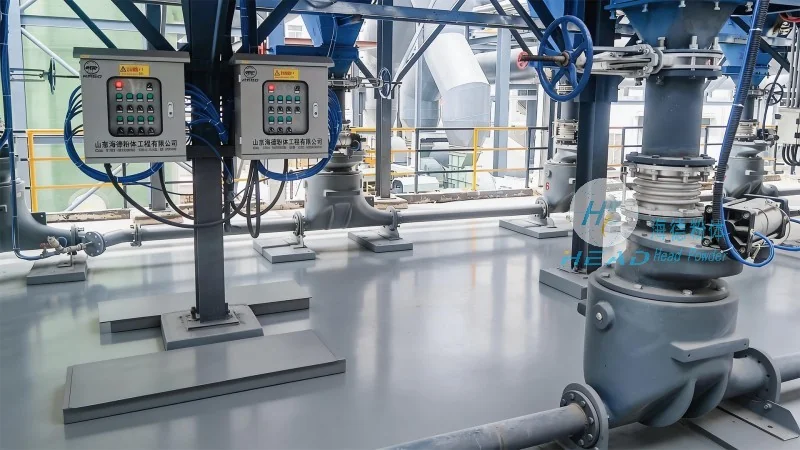
Key Features of Plastic Pneumatic Conveying Equipment
Several notable features make plastic pneumatic conveying equipment a preferred choice across various industries. Firstly, it offers high efficiency in material transport, with the ability to move materials over long distances with minimal energy consumption compared to traditional methods like belt conveyors. The system is also highly flexible, allowing for changes in the layout or direction of material flow without major modifications. Another significant feature is its ability to handle a wide range of plastic materials, including different types of granules, powders, and even pellets, with minimal degradation or contamination. The equipment is designed for easy cleaning and maintenance, which is vital in industries where product purity is paramount, such as food processing or pharmaceutical manufacturing. Additionally, plastic pneumatic conveying systems can be integrated with other processing equipment, such as mixers or extruders, to form a seamless production line, enhancing overall operational efficiency.
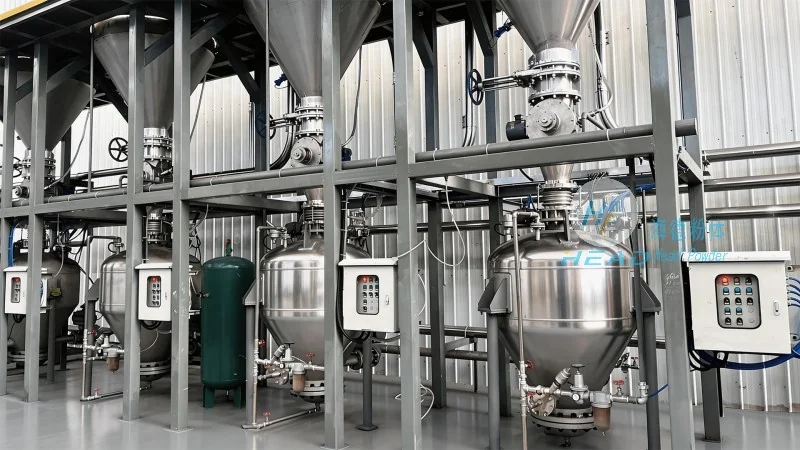
Applications and Benefits in Industrial Settings
Plastic pneumatic conveying equipment is widely utilized in industries that handle plastic materials, including plastics manufacturing, food processing, pharmaceuticals, and chemical processing. In plastics manufacturing, it is used to transport raw plastic materials from storage to processing equipment like extruders or injection molding machines. In food processing, it is essential for moving food-grade plastic powders or granules, ensuring that the process remains hygienic and contamination-free. The equipment's ability to handle fine powders and prevent clogging makes it ideal for applications where material consistency is critical. Furthermore, the system's compact design and low noise operation contribute to a safer and more comfortable working environment in industrial facilities. By utilizing compressed air to move materials, the system reduces the risk of mechanical failure and the need for regular maintenance, leading to lower operational costs and increased productivity over time.
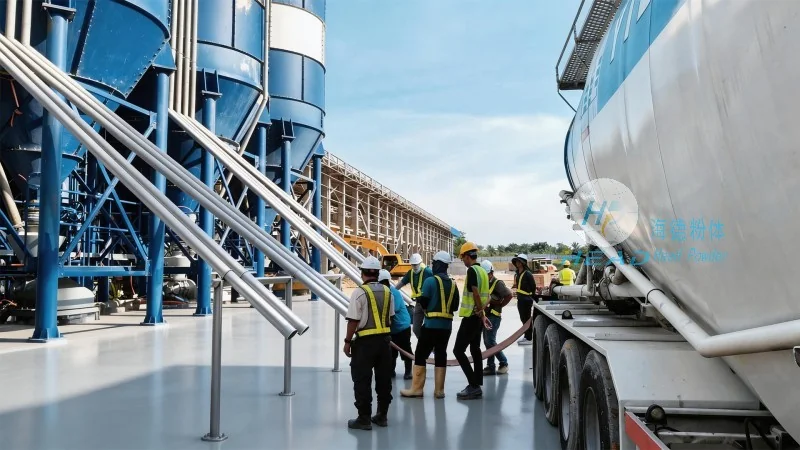
Customization and Technical Specifications
Shandong HeadPowder Engineering Co., Ltd. provides customized plastic pneumatic conveying solutions tailored to specific customer needs. The company, known as headpowder, offers a range of equipment options, including dilute phase and dense phase systems, to suit different material types and transport requirements. Technical specifications such as air pressure, flow rate, and pipeline diameter are carefully selected based on the material's properties and the desired transport distance. The equipment is constructed from high-quality materials, such as stainless steel or food-grade plastics, to ensure durability and compliance with industry standards. Headpowder's expertise in material handling technology allows them to design systems that optimize performance while minimizing energy consumption and maintenance needs. The company's facilities are located in Shandong, China, where they leverage advanced manufacturing processes to produce reliable and efficient plastic pneumatic conveying equipment for global markets.