

The Working Principle and Features of Sodium Phosphate Pneumatic Conveying Equipment
HeadPowder, a leading manufacturer based in Shandong, China, specializes in industrial conveying solutions. This article explores the working principle and key features of the sodium phosphate pneumatic conveying equipment, a critical component in material handling for various industrial applications.
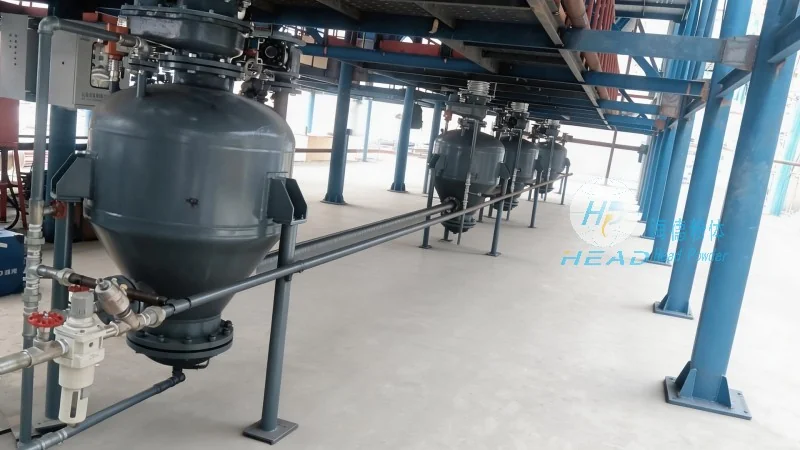
Introduction to Sodium Phosphate Pneumatic Conveying Equipment
Sodium phosphate, a widely used chemical in industries such as food processing, pharmaceuticals, and chemical manufacturing, requires efficient and reliable handling to ensure product quality and operational efficiency. The pneumatic conveying system offers a solution that minimizes dust, reduces material degradation, and enhances safety compared to traditional methods like belt conveyors or bucket elevators.
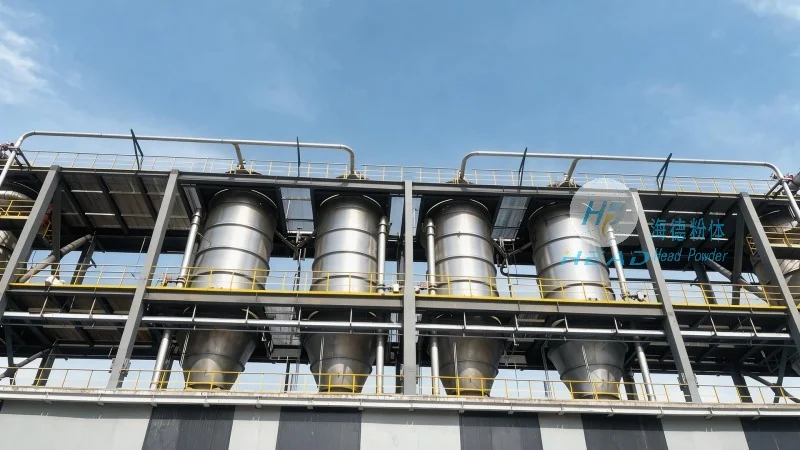
The Working Principle of Pneumatic Conveying for Sodium Phosphate
The core of the sodium phosphate pneumatic conveying equipment lies in its ability to transport bulk materials through a pressurized or vacuum system using air or other gases. The process typically involves the following steps:
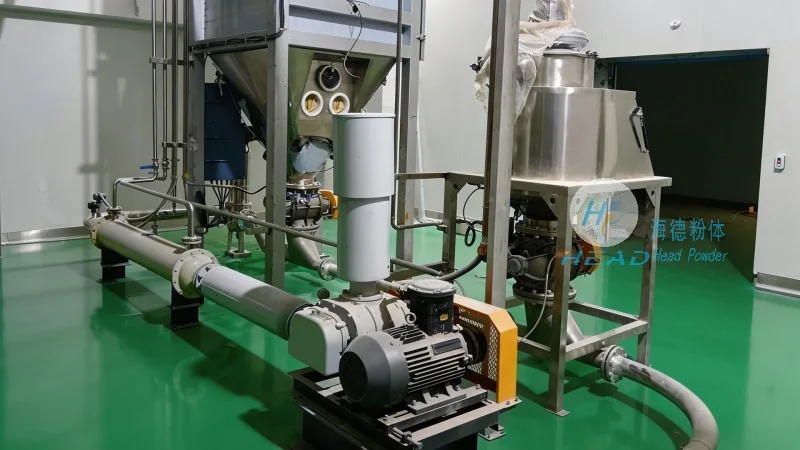
- Material Loading: The sodium phosphate is loaded into the hopper or feed hopper of the system. The hopper is designed to maintain a consistent material level and prevent clogging.
- Air Intake and Compression: In a positive pressure system, a blower or compressor generates high-pressure air. This air is then directed into the conveying line, creating a flow that propels the material particles.
- Conveying Path: The material is suspended in the air stream as it travels through the pipeline. The design of the pipeline, including bends, expansions, and reductions, is optimized to minimize pressure loss and maintain material velocity.
- Discharge and Separation: At the receiving end, the air and material are separated. The material is collected in a receiving hopper or container, while the air is either filtered and recirculated or vented to the atmosphere.
For negative pressure systems, a vacuum pump creates a low-pressure environment that draws the material and air mixture into the system. The material is then separated at the discharge point, with the air being filtered before release.
Key Features and Advantages of Sodium Phosphate Pneumatic Conveying Equipment
The sodium phosphate pneumatic conveying equipment from HeadPowder is engineered with several features that address the unique challenges of handling this chemical:
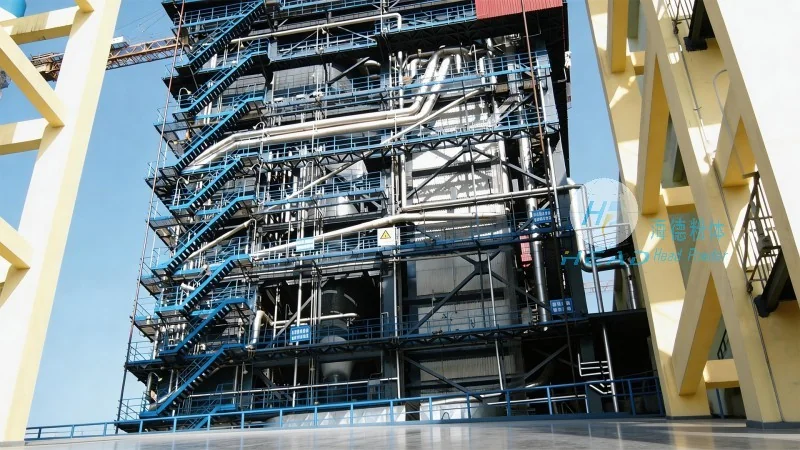
- Efficient Material Transport: The system ensures high throughput rates, reducing downtime and increasing overall production efficiency. The design minimizes material degradation, preserving the quality of sodium phosphate during transport.
- Low Maintenance and Durability: Constructed with high-quality materials, the equipment is resistant to corrosion and wear, particularly important for handling chemicals like sodium phosphate. Regular maintenance is minimized due to robust components.
- Environmental and Safety Benefits: Unlike traditional methods, pneumatic conveying reduces dust generation, improving workplace safety and compliance with environmental regulations. The enclosed system also prevents material contamination and exposure to personnel.
- Flexibility in Layout: The modular design allows for easy integration into existing production lines or new facility layouts. The system can be adapted to various distances and heights, providing flexibility in plant design.
- Customization for Specific Applications: HeadPowder offers customized solutions tailored to the specific requirements of each client. This includes adjustments to pressure levels, pipeline diameter, and material feed rates to optimize performance for different sodium phosphate formulations.
Conclusion
The sodium phosphate pneumatic conveying equipment from Shandong HeadPowder Engineering Co., Ltd. combines advanced engineering with practical design to deliver reliable and efficient material handling solutions. By understanding the working principle and leveraging the key features, industries can enhance their operational efficiency, maintain product quality, and ensure compliance with safety and environmental standards.