

Working Principle and Features of Small Powder Bulk Material Handling Systems
Small powder bulk material handling systems are critical components in industrial operations, particularly for sectors dealing with fine powders and granules. These systems are engineered to efficiently transport, store, and manage small-scale powder materials, ensuring smooth workflow and consistent product quality. Understanding the working principle and key characteristics of such systems is essential for industries aiming to optimize their material handling processes and enhance overall operational efficiency.
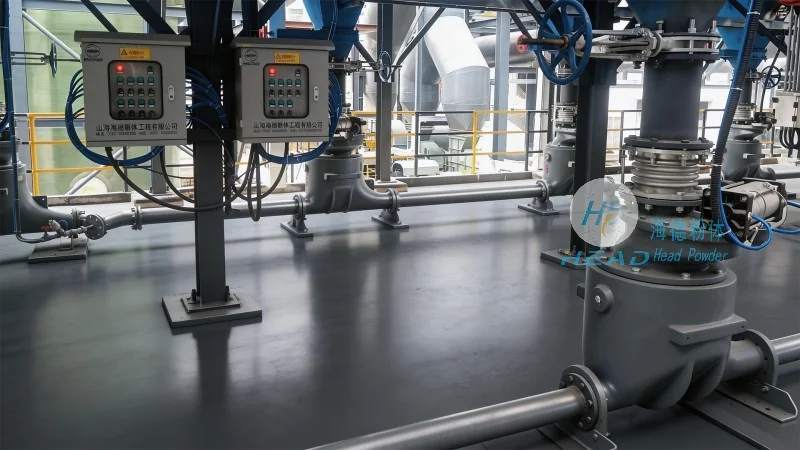
Introduction to Small Powder Bulk Material Handling Systems
HeadPowder, a prominent player in the bulk material handling industry, specializes in developing advanced solutions for small powder material management. Headquartered in Shandong, China, the company has built a reputation for innovation and precision in engineering and manufacturing of material handling equipment. HeadPowder's systems cater to diverse industrial needs, including pharmaceuticals, food processing, chemical manufacturing, and more, providing tailored solutions that meet specific application requirements.
The Working Principle of Small Powder Bulk Material Handling Systems
The core of small powder bulk material handling systems lies in a sophisticated mechanism that ensures reliable and efficient material transport. These systems typically integrate feeders, conveyors, and control units to achieve seamless operation. The working principle involves several key stages:
First, the powder material is fed into the system via a hopper or storage container. The feeder, often a rotary or vibratory type, regulates the flow rate of the powder, ensuring consistent and controlled discharge. This step is vital to prevent overloading or underflow, which can disrupt downstream processes and affect product quality.
Next, the controlled powder flow is directed into the conveyor system. For small powder applications, pneumatic conveying is commonly employed due to its ability to handle fine powders without clogging or degradation. The system utilizes compressed air to transport the powder through a pipeline, maintaining the material's integrity and preventing contamination. This method is particularly effective for materials that are prone to dust generation or require sterile handling.
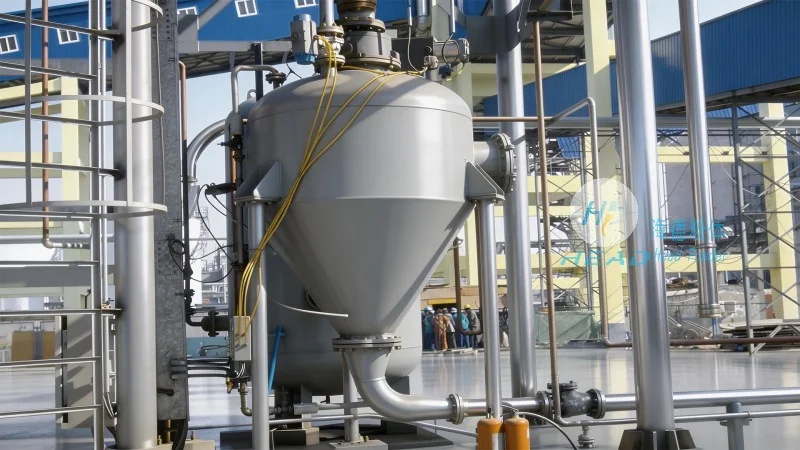
During transport, the system incorporates sensors and control mechanisms to monitor parameters such as flow rate, pressure, and temperature. These controls ensure the material is handled under optimal conditions, minimizing the risk of product degradation or equipment damage. The control unit dynamically adjusts air pressure and flow rate, adapting to changes in material characteristics or system load to maintain consistent performance.
Key Features of Small Powder Bulk Material Handling Systems
Small powder bulk material handling systems from HeadPowder are distinguished by several key features that enhance performance, reliability, and adaptability. These features are designed to address the unique challenges of handling fine powders, ensuring consistent operation and minimal downtime.
One primary feature is high efficiency and low maintenance requirements. The systems are constructed with durable components that can withstand the abrasive nature of fine powders, reducing the need for frequent repairs and replacements. This results in lower operational costs and increased productivity for industrial users.
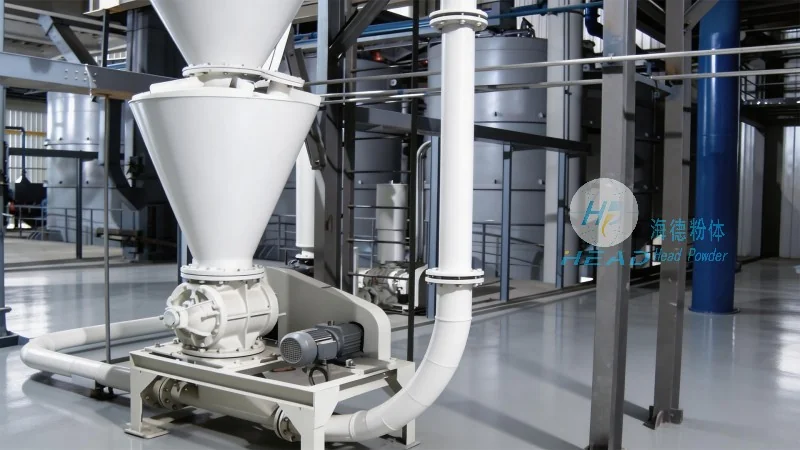
Another notable feature is adaptability to various powder types and sizes. HeadPowder's systems are engineered to handle a wide range of materials, from pharmaceutical powders to food-grade granules, without compromising performance. The adjustable feeder and conveyor settings allow for customization to meet specific material characteristics, ensuring optimal handling for each application.
Reliability and safety are also critical features. The systems incorporate safety mechanisms such as overload protection and emergency stop buttons, enabling operators to quickly respond to any issues. Additionally, the enclosed design of the conveying lines minimizes dust exposure and environmental contamination, complying with industry safety standards and regulatory requirements.
Energy efficiency is another important aspect. Modern small powder bulk material handling systems are designed to minimize energy consumption while maintaining high transport rates. The use of efficient motors and optimized air flow reduces operational costs and contributes to sustainable industrial practices, aligning with global environmental goals.
Conclusion and Company Overview
Small powder bulk material handling systems are indispensable in modern industrial operations, and the solutions provided by HeadPowder exemplify the industry's commitment to innovation and reliability. With a strong presence in Shandong, China, the company continues to advance its technology, offering systems that meet the evolving needs of various industries. By understanding the working principle and key features of these systems, businesses can make informed decisions to enhance their material handling processes, improve product quality, and achieve greater operational efficiency.