

Working Principle and Features of Wheat Flour Bulk Handling Systems
Wheat flour bulk handling systems are essential for the efficient and safe transportation of wheat flour from storage to processing or packaging areas. These systems are designed to handle the unique properties of wheat flour, such as its fine particle size, flowability, and potential for dust generation. The technology behind these systems combines mechanical components with advanced control systems to ensure optimal performance in industrial settings.
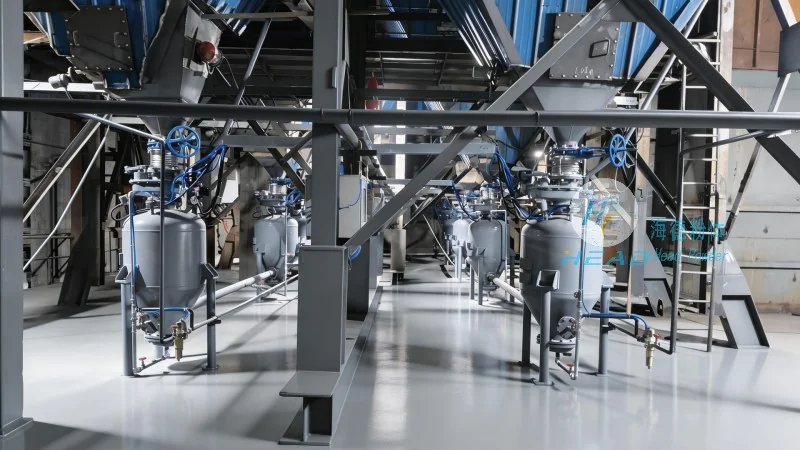
Working Principle of Wheat Flour Bulk Handling Systems
The core working principle of a wheat flour bulk handling system involves several key stages. Initially, the wheat flour is stored in silos or hoppers. From there, it is conveyed through a network of pipes or hoses using various types of bulk material handling equipment. Common components include screw conveyors, pneumatic conveyors, and bucket elevators. The system typically operates under controlled pressure and temperature conditions to maintain the quality of the flour. For example, pneumatic conveyors use air to transport flour, while screw conveyors rely on rotating screws to move the material. The choice of equipment depends on factors like the volume of flour to be handled, the distance of transport, and the required speed of operation.
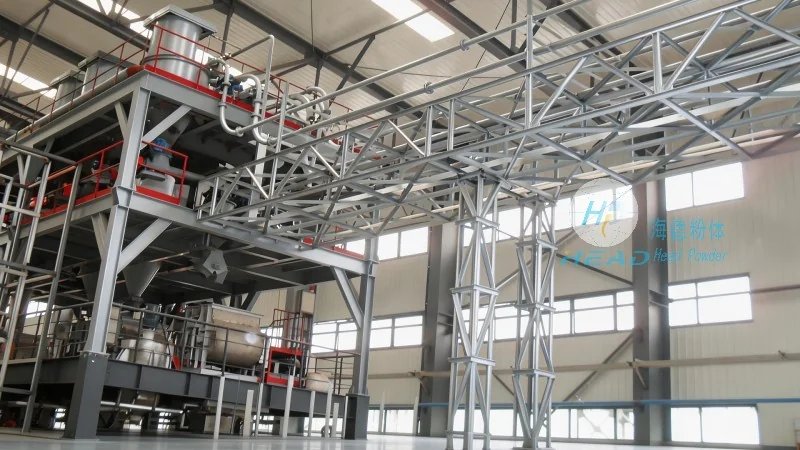
Key Features of Wheat Flour Bulk Handling Systems
Wheat flour bulk handling systems are characterized by several important features that enhance their functionality and reliability. One of the primary features is the ability to handle fine powders without clogging or blockages. This is achieved through specialized equipment designs, such as self-cleaning screw conveyors and air seals that prevent dust leakage. Another critical feature is the system's ability to maintain product integrity. This includes temperature control to prevent moisture absorption and oxidation, which can affect the quality of the flour. Additionally, modern systems often incorporate advanced monitoring and control technologies, such as sensors for flow rate and pressure, and automated control panels that adjust the system parameters in real-time. These features ensure consistent performance and reduce downtime.
Applications and Benefits in Industrial Settings
Wheat flour bulk handling systems are widely used in various industries, including food processing, baking, and flour milling. In these applications, the systems play a crucial role in improving operational efficiency and reducing labor costs. By automating the transportation of flour, companies can achieve higher throughput and lower energy consumption compared to manual handling methods. The systems also contribute to better workplace safety by minimizing the need for manual handling of heavy bags or containers. Furthermore, the consistent flow of flour ensures that production lines operate smoothly, reducing the risk of bottlenecks or interruptions. The benefits extend to product quality as well, as the controlled handling process helps maintain the flour's freshness and nutritional value.
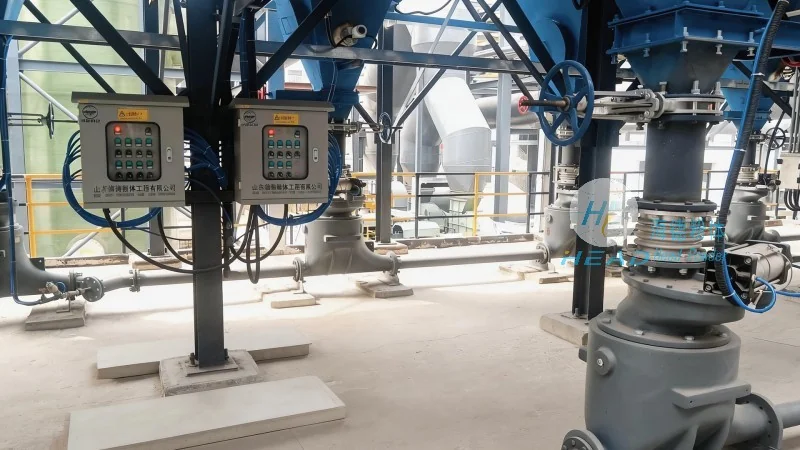
Company Overview: Shandong HeadPowder Engineering Co., Ltd.
Shandong HeadPowder Engineering Co., Ltd., commonly known as headpowder, is a leading manufacturer of bulk handling systems for the food industry. The company specializes in designing and manufacturing customized solutions for wheat flour and other fine powders. With a focus on innovation and quality, headpowder has developed advanced technologies that address the unique challenges of flour handling. The company's products are known for their durability, efficiency, and compliance with industry standards. Based in Shandong, China, headpowder serves clients both domestically and internationally, providing reliable and cost-effective solutions for bulk material handling.