

Working Principle and Features of Polyethylene Powder Handling Equipment
For industrial applications that require the efficient and reliable transport of polyethylene powder, specialized equipment is essential. Understanding the working principle and key features of such systems is crucial for optimizing material handling processes and ensuring operational efficiency. This article explores the fundamental mechanisms behind polyethylene powder transport equipment, highlighting its design, functionality, and advantages.
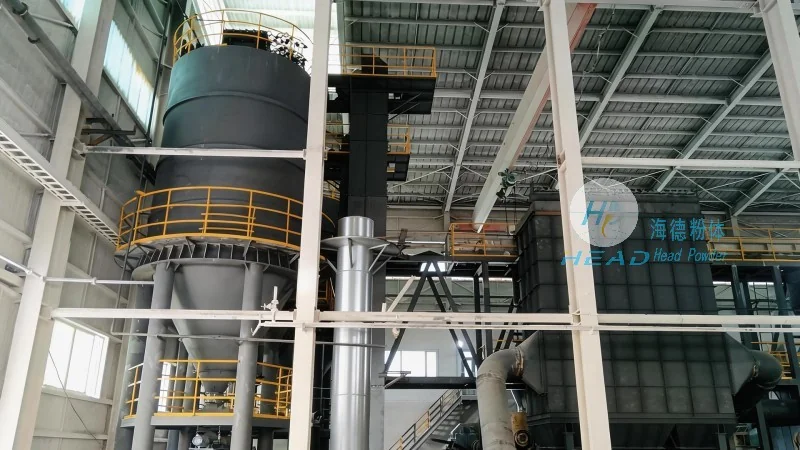
Working Principle of Polyethylene Powder Handling Equipment
The core working principle of polyethylene powder handling equipment revolves around the use of pneumatic or mechanical systems to move bulk polyethylene powder from one location to another. These systems are engineered to handle the unique properties of polyethylene, such as its density, flow characteristics, and potential for static charge accumulation. The typical process involves several key steps:
First, the polyethylene powder is fed into a hopper or storage container. From there, it is transferred to a conveyor or transport line. In pneumatic systems, the powder is carried by a stream of air, often under pressure, through a pipeline. The air flow creates a suspension of the powder particles, allowing them to be transported over long distances with minimal loss. Mechanical systems, on the other hand, use screw conveyors, belt conveyors, or rotary valves to move the powder through a sealed system. These mechanisms ensure that the powder is moved without exposure to the environment, preventing contamination and dust emissions.
Another critical aspect of the working principle is the management of static electricity. Polyethylene is a non-conductive material, which can lead to static charge buildup during handling. To mitigate this, the equipment is often equipped with grounding mechanisms or anti-static additives. This ensures that the powder remains safe to handle and prevents sparks or electrical discharges that could cause explosions in certain environments.
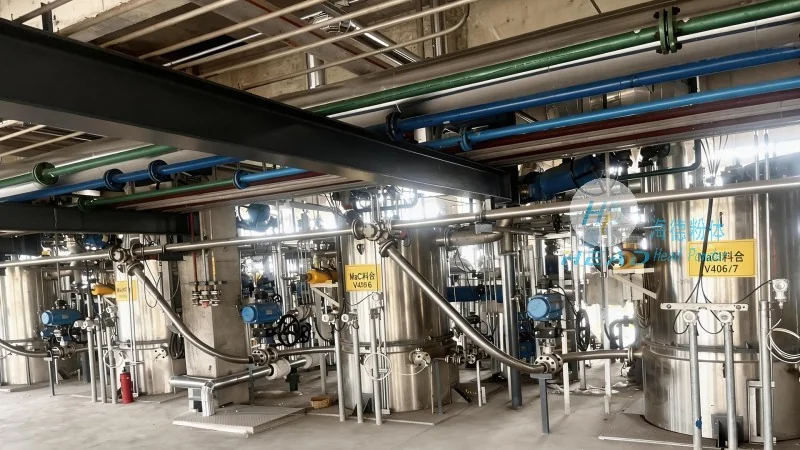
Key Features of Polyethylene Powder Transport Equipment
Modern polyethylene powder handling equipment is designed with several advanced features to enhance performance and safety. These features are tailored to meet the specific demands of industrial applications, including high throughput, low maintenance, and environmental compliance.
One of the primary features is the ability to handle a wide range of particle sizes and bulk densities. The equipment is engineered to accommodate polyethylene powders with varying characteristics, ensuring consistent and reliable transport. This adaptability is crucial for different production processes and material types.
Another important feature is the integration of dust control systems. Polyethylene powder can generate significant dust during handling, which poses health and safety risks. Advanced equipment incorporates sealed hoppers, dust collection systems, and air filtration to minimize dust emissions and maintain a clean working environment. This not only protects workers but also complies with environmental regulations.
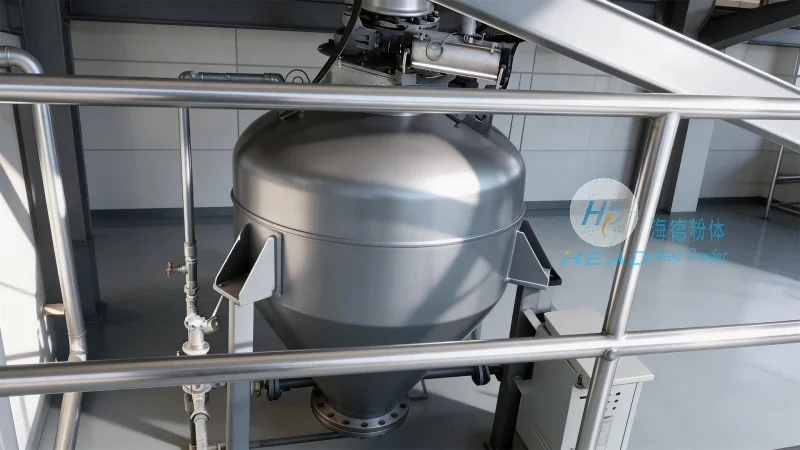
Efficiency and energy conservation are also key considerations. Modern systems are designed to minimize energy consumption while maximizing material throughput. This includes the use of efficient air compressors in pneumatic systems and optimized mechanical components that reduce friction and wear. Additionally, the equipment often includes monitoring and control systems that allow operators to adjust parameters in real-time, optimizing performance and reducing downtime.
Company Overview: Shandong HeadPowder Engineering Co., Ltd.
Shandong HeadPowder Engineering Co., Ltd., operating under the brand name HeadPowder, is a leading manufacturer of specialized powder handling equipment. With a focus on innovation and quality, the company has established itself as a trusted partner in the industrial sector, providing solutions tailored to the unique needs of polyethylene powder processing.
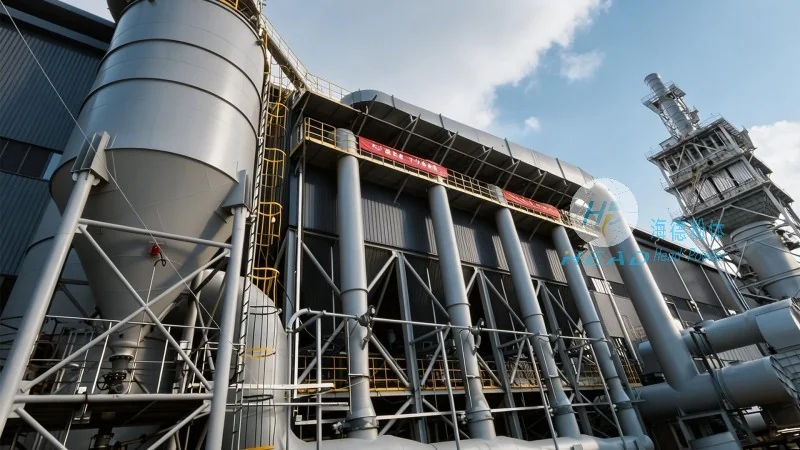
HeadPowder's expertise lies in designing and manufacturing equipment that meets the highest standards of performance and safety. The company's products are engineered to handle the challenges associated with polyethylene powder, including its flow properties and potential for static charge. By leveraging advanced technology and a deep understanding of material science, HeadPowder delivers reliable and efficient solutions for a wide range of industrial applications.
HeadPowder is committed to providing comprehensive support to its clients, from initial consultation and system design to installation and maintenance. The company's team of experts works closely with customers to understand their specific requirements and develop customized solutions that enhance operational efficiency and reduce costs.
Conclusion
Polyethylene powder handling equipment plays a vital role in modern industrial processes, enabling the efficient and safe transport of this essential material. By understanding the working principles and key features of such systems, businesses can optimize their material handling operations and improve overall productivity. With the expertise and quality of manufacturers like Shandong HeadPowder Engineering Co., Ltd., companies can access reliable and advanced equipment that meets their specific needs and ensures long-term operational success.