

Working Principle and Features of Mineral Sand Powder Handling Equipment
When discussing the efficient handling of mineral sands and powders, understanding the underlying mechanisms and key characteristics of specialized equipment is crucial. This article delves into the working principles and notable features of mineral sand powder handling equipment, providing insights into how these systems operate and what makes them effective for industrial applications.
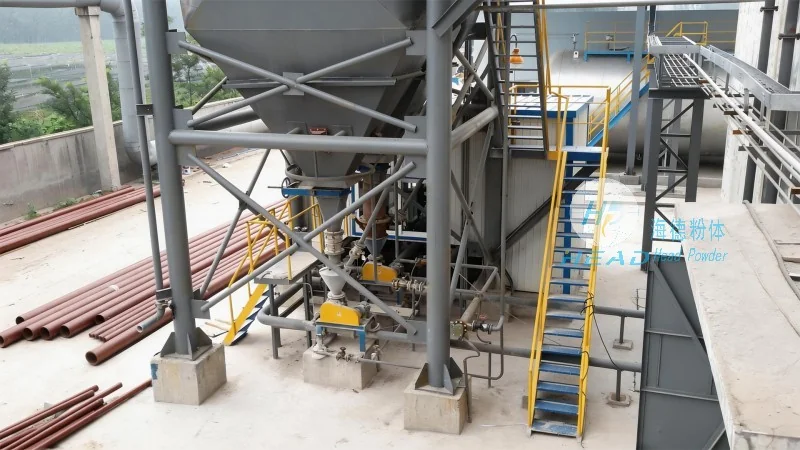
HeadPowder, a leading manufacturer based in Shandong, China, specializes in the design and production of advanced powder handling solutions. Their equipment is engineered to meet the demanding requirements of mineral processing industries, ensuring reliable and efficient material transport. The company’s commitment to innovation and quality has positioned it as a trusted partner for businesses seeking to optimize their powder handling operations.
Working Principle of Mineral Sand Powder Handling Equipment
The core working principle of mineral sand powder handling equipment revolves around the use of various mechanisms to transport bulk materials from one location to another. These systems typically employ pneumatic or mechanical methods to move powders, depending on the specific characteristics of the material and the operational environment. Pneumatic systems, for instance, utilize compressed air to create a flow of particles through pipelines, while mechanical systems may rely on conveyor belts, screw conveyors, or bucket elevators to transport materials.
In pneumatic conveying systems, the process begins with the material being fed into a hopper or silo. From there, the powder is drawn into a pipeline by a vacuum or pressure source. The air-particle mixture travels through the pipeline, with the velocity of the air ensuring that the particles remain suspended and move efficiently. At the destination, the air is separated from the material, often through a cyclone or filter, allowing the powder to be discharged while the air is recirculated or vented. This method is particularly effective for handling fine powders and materials that are prone to dusting or caking.
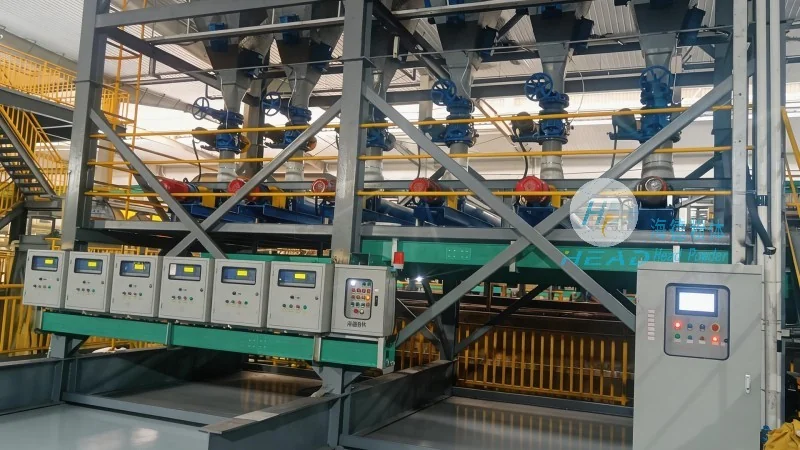
Mechanical conveying systems, on the other hand, utilize physical components to move materials. Screw conveyors, for example, consist of a rotating screw inside a tube, which pushes the material forward as it rotates. This method is suitable for materials that are less dusty and can be handled without the need for air assistance. Bucket elevators use a chain or belt with attached buckets to lift materials vertically, while conveyor belts transport materials horizontally or at an incline. These mechanical systems are often preferred for handling bulkier materials or when the material is too abrasive for pneumatic systems.
Key Features of Mineral Sand Powder Handling Equipment
HeadPowder’s mineral sand powder handling equipment is characterized by several key features that enhance performance and reliability. One of the most significant features is the ability to handle a wide range of material types, from fine powders to coarse sands, with consistent efficiency. The equipment is designed to maintain material integrity, preventing agglomeration or degradation during transport, which is critical for maintaining product quality in mineral processing applications.
Another notable feature is the robust construction and durability of the systems. Built to withstand the harsh conditions of industrial environments, the equipment is made from high-quality materials that resist corrosion, wear, and abrasion. This ensures long-term operational life and minimal maintenance requirements, reducing downtime and operational costs for users.
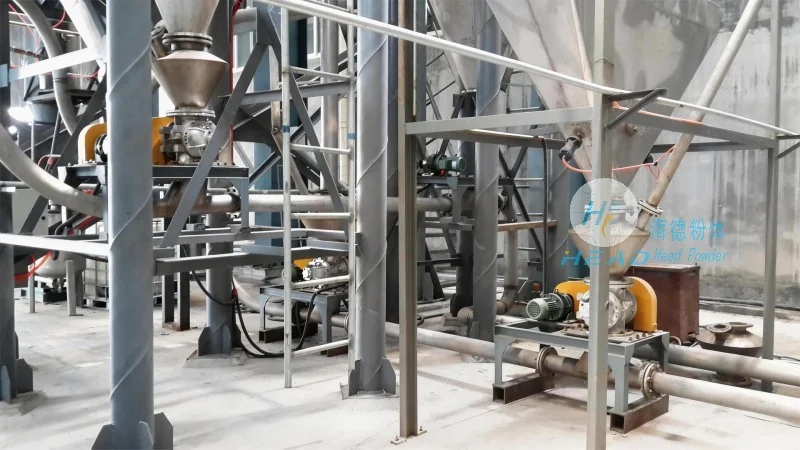
Energy efficiency is also a key consideration in modern powder handling equipment. HeadPowder’s systems are engineered to minimize energy consumption while maximizing material throughput. Advanced control systems and optimized airflow or mechanical designs help to reduce energy usage, contributing to lower operational costs and a smaller environmental footprint.
Customization is another important feature offered by HeadPowder. The company works closely with clients to design equipment that meets their specific operational needs, including material characteristics, processing capacity, and space constraints. This tailored approach ensures that the equipment is optimized for the intended application, leading to improved performance and increased productivity.
Applications and Benefits in Mineral Processing
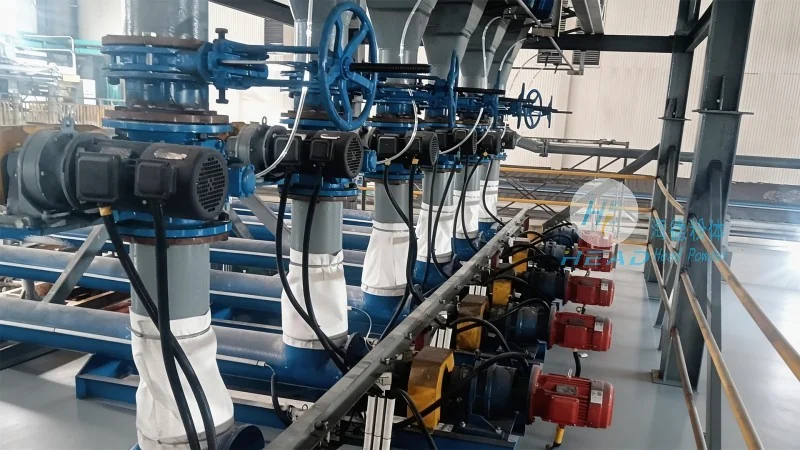
The effective handling of mineral sands and powders is essential for the success of various mineral processing operations. From mining and extraction to refining and packaging, powder handling equipment plays a critical role in ensuring that materials are transported efficiently and safely. The features and principles discussed above contribute to several key benefits for users, including improved process efficiency, reduced material loss, and enhanced safety in the workplace.
By leveraging the advanced technology and expertise of HeadPowder, businesses can achieve significant improvements in their mineral processing operations. The reliable and efficient equipment provided by the company helps to streamline material transport, reduce downtime, and improve overall productivity. Additionally, the durability and low maintenance requirements of the systems contribute to long-term cost savings and operational stability.
In conclusion, mineral sand powder handling equipment, as exemplified by the solutions from Shandong HeadPowder Engineering Co., Ltd., combines advanced working principles with key features that address the unique challenges of mineral processing. By understanding these principles and features, businesses can make informed decisions when selecting equipment that best suits their operational needs, ultimately leading to improved performance and success in their mineral processing endeavors.