

Working Principle and Features of Steel Sand Powder Conveying Lines
Steel sand powder conveying lines are critical components in industrial processes, particularly in manufacturing and material handling applications. These systems are designed to efficiently transport steel sand, a key raw material used in various industries such as foundries, metalworking, and abrasive manufacturing. The effectiveness of these lines directly impacts production efficiency, material quality, and operational costs. Understanding the working principle and key features of steel sand powder conveying lines is essential for optimizing industrial operations and ensuring reliable material transport.
Working Principle of Steel Sand Powder Conveying Lines
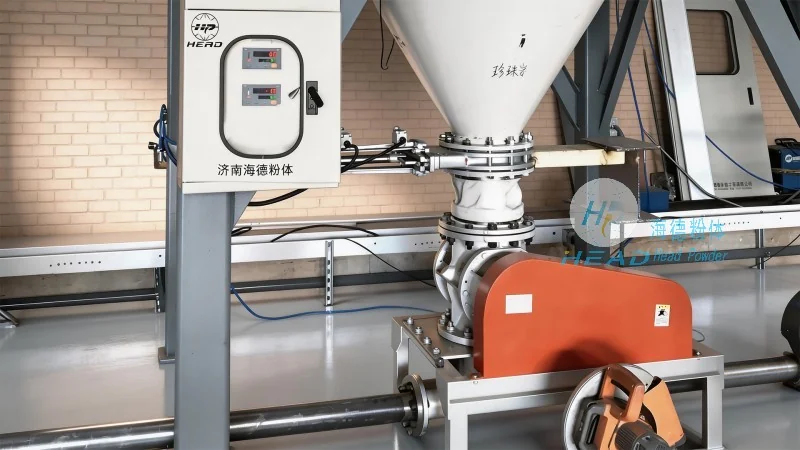
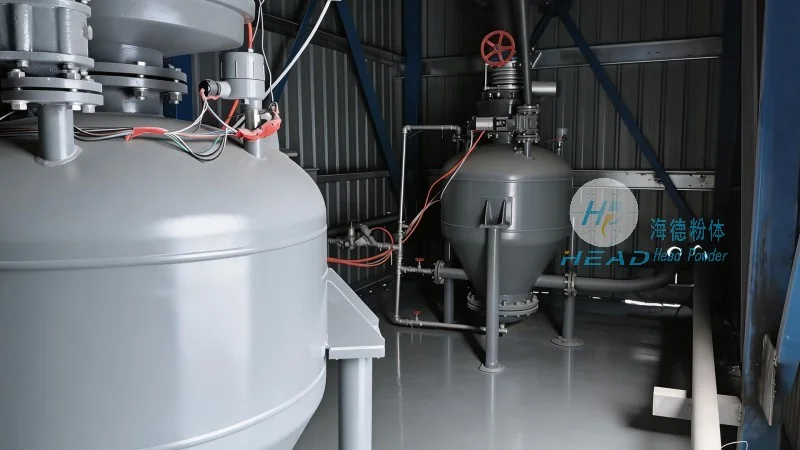
The working principle of a steel sand powder conveying line typically involves several key components and mechanisms that work in tandem to move steel sand from a source to a destination. The primary components include a hopper or storage bin for material collection, a conveyor system (such as a screw conveyor, pneumatic conveyor, or belt conveyor), and control systems for regulating the flow and speed of the material. The process begins with steel sand being fed into the hopper from a storage area or raw material source. From there, the material is transferred to the conveyor system, which uses mechanical or pneumatic forces to move the sand through the line. For example, a screw conveyor may use rotating screws to push the sand forward, while a pneumatic conveyor utilizes compressed air to create a flow of air and material through a pipe. The control system ensures that the flow rate is consistent and can be adjusted based on production needs. This integrated approach allows for smooth and continuous transport of steel sand, minimizing downtime and ensuring a steady supply of material to downstream processes.
Key Features of Steel Sand Powder Conveying Lines
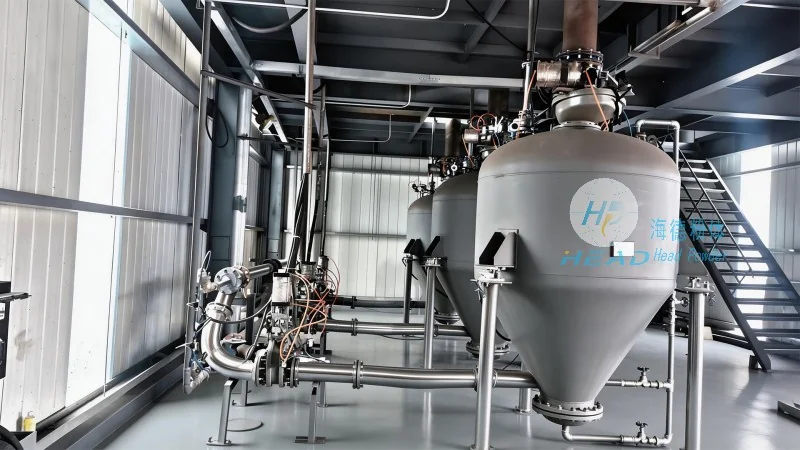
Steel sand powder conveying lines from Shandong HeadPowder Engineering Co., Ltd. (headpowder) are characterized by several advanced features that enhance performance and reliability. One of the primary features is the use of durable and corrosion-resistant materials in the construction of the conveying components. Steel sand is abrasive and can cause wear on equipment, so the conveyors and hoppers are often made from high-strength steel or other wear-resistant materials to extend their service life. Another key feature is the integration of automated control systems that allow for precise regulation of the material flow. These systems can monitor the pressure, flow rate, and temperature of the steel sand, providing real-time data and alerts for any deviations. Additionally, the conveying lines are designed for easy maintenance and cleaning, with access points and removable components that simplify routine upkeep. The systems also prioritize energy efficiency, using optimized motor drives and flow control mechanisms to reduce power consumption. These features collectively contribute to the high performance and long-term reliability of steel sand powder conveying lines, making them a preferred choice for industrial applications.
Applications and Benefits of Steel Sand Powder Conveying Lines
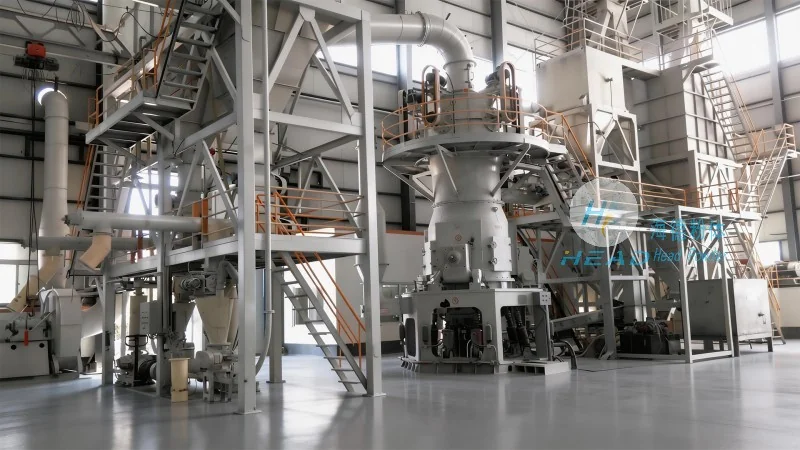
Steel sand powder conveying lines are widely used in various industrial applications where the transport of abrasive materials is required. In foundries, these systems are used to move steel sand from storage to molding machines, ensuring a consistent supply of raw material for casting processes. In metalworking and abrasive manufacturing, the conveying lines transport steel sand to grinding and polishing equipment, where it is used as an abrasive medium. The benefits of using these lines include improved production efficiency, reduced labor costs, and enhanced material quality. By ensuring a steady and controlled flow of steel sand, the systems minimize material loss and prevent contamination, which can affect the quality of the final products. Additionally, the automated control systems reduce the need for manual intervention, allowing operators to focus on other critical tasks. The durability and reliability of the conveying lines also contribute to lower maintenance costs and longer service intervals, providing a good return on investment for industrial facilities.