

Working Principle and Features of Ceramic Powder Conveying Lines
For industrial applications involving the handling of ceramic powders, efficient and reliable conveying systems are crucial to ensure smooth production processes. The ceramic powder conveying line, a specialized system designed for transporting fine ceramic materials, plays a vital role in various manufacturing sectors. This article will explore the working principle and key features of such a system, highlighting its importance in modern industrial operations.
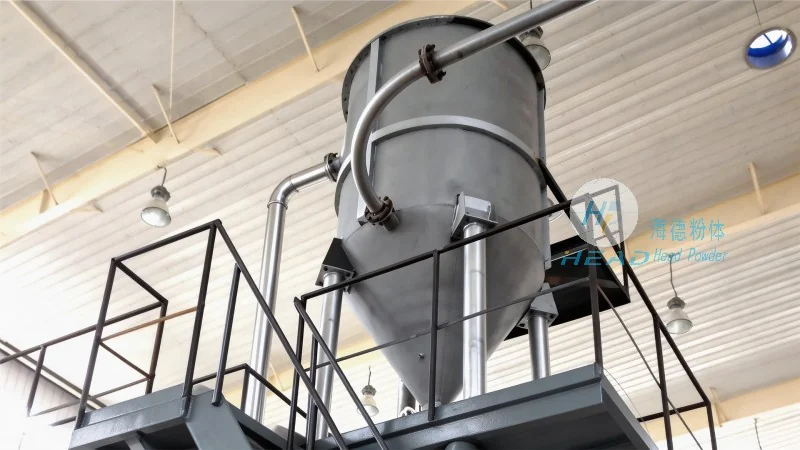
About Shandong HeadPowder Engineering Co., Ltd.
Shandong HeadPowder Engineering Co., Ltd., commonly known as HeadPowder, is a leading manufacturer specializing in the design, development, and production of advanced powder handling equipment. With a strong commitment to quality and innovation, HeadPowder has established itself as a trusted partner in the industry, providing customized solutions tailored to meet the specific needs of clients. The company's headquarters is located in Shandong, China, where it leverages its expertise to deliver high-performance conveying systems for diverse industrial applications.
Understanding the Working Principle of Ceramic Powder Conveying Lines
The ceramic powder conveying line operates on the principle of utilizing mechanical or pneumatic forces to transport fine ceramic powders from one location to another. The system typically consists of several key components, including a feeding device, a conveying mechanism, and a discharge unit. The feeding device, often a hopper or a rotary valve, ensures a consistent and controlled flow of the powder into the system. This is followed by the conveying mechanism, which may employ technologies such as screw conveyors, pneumatic pipelines, or air slides to move the material through the line. The discharge unit then collects the powder at the destination point, completing the transportation process.
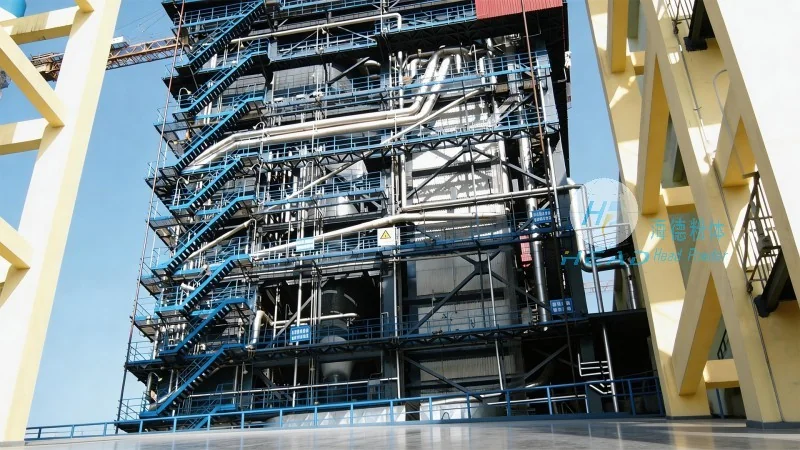
In a mechanical conveying setup, a screw or auger rotates within a tube, pushing the powder forward through the system. This method is particularly effective for handling cohesive or abrasive powders, as it minimizes material degradation and ensures a steady flow. Conversely, pneumatic conveying systems utilize compressed air to transport the powder through a pipeline. The air flow creates a drag force that lifts and moves the particles, allowing for long-distance transportation with minimal maintenance. Both methods are widely used in ceramic processing, depending on the specific characteristics of the powder and the operational requirements of the facility.
Key Features of Ceramic Powder Conveying Lines
The ceramic powder conveying line is characterized by several features that enhance its performance and reliability. Firstly, the system is designed to handle fine, abrasive, and potentially hazardous ceramic powders without causing material degradation or contamination. This is achieved through the use of corrosion-resistant materials, such as stainless steel or special alloys, which are resistant to the abrasive nature of the powder. Additionally, the conveying components are engineered to minimize friction and wear, ensuring a long service life and reduced maintenance costs.
Another critical feature is the ability to maintain a consistent flow rate and pressure within the system. This is essential for controlling the speed of powder transport and preventing blockages or overloading. The system incorporates sensors and control mechanisms that monitor the flow and adjust the conveying parameters in real-time, ensuring optimal performance. Furthermore, the design of the conveying line allows for easy integration with other processing equipment, such as mixers, classifiers, or kilns, enabling seamless workflow in production lines.
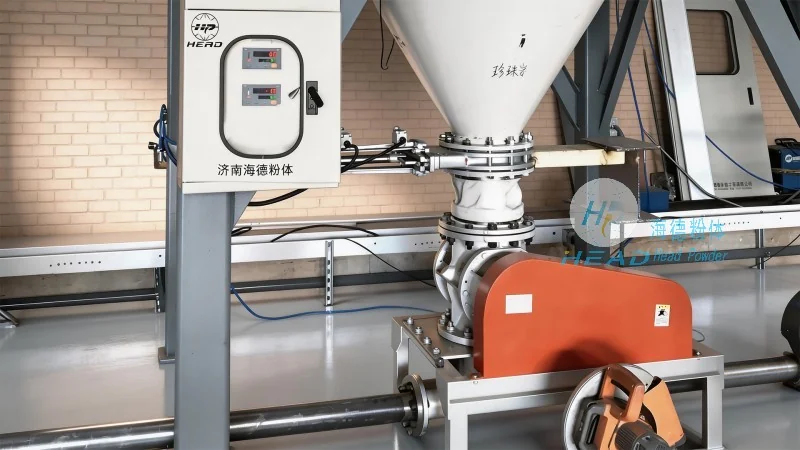
Energy efficiency is also a notable feature of modern ceramic powder conveying lines. Advanced systems incorporate energy-saving technologies, such as variable frequency drives (VFDs) and optimized air flow designs, to reduce power consumption while maintaining efficient operation. This not only lowers operational costs but also aligns with environmental sustainability goals. The system's compact design and modular construction further contribute to its versatility, allowing for easy installation and adaptation to different production environments.
Conclusion
In conclusion, the ceramic powder conveying line is a sophisticated system that combines advanced engineering principles with robust design to efficiently transport fine ceramic powders. Its working principle, which may involve mechanical or pneumatic methods, ensures reliable and consistent material handling. The key features, including durability, energy efficiency, and adaptability, make it an indispensable component in various industrial applications. As a leading manufacturer, Shandong HeadPowder Engineering Co., Ltd. continues to innovate and provide high-quality conveying solutions that meet the evolving needs of the ceramic industry, ensuring smooth and efficient production processes for its clients.