

Working Principle and Features of Battery Anode Material Powder Conveying Line
HeadPowder, a leading manufacturer in the field of material handling solutions, specializes in the design and production of advanced powder conveying systems tailored for the battery industry. This article provides an in-depth exploration of the working principle and key features of the battery anode material powder conveying line, a critical component in the production process of lithium-ion batteries.
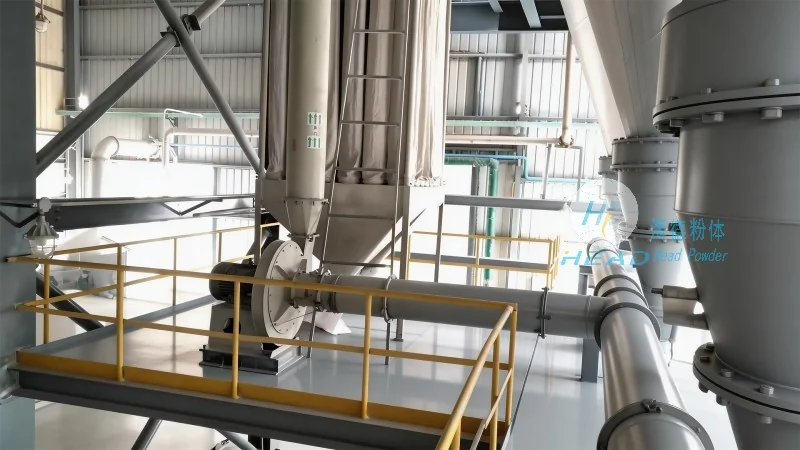
Overview of the Battery Anode Material Powder Conveying Line
The battery anode material powder conveying line is a sophisticated system engineered to handle the precise and efficient transport of anode materials, such as graphite, silicon, and other composite powders, from raw material storage to the mixing and coating stages. This system is integral to ensuring consistent material flow, maintaining product quality, and enhancing overall production efficiency in battery manufacturing facilities.
Working Principle of the Powder Conveying Line
The operation of the battery anode material powder conveying line is based on a combination of mechanical and pneumatic technologies, designed to achieve seamless material transfer while minimizing contamination and degradation. The system typically comprises several key components, including hoppers, feeders, conveyors, and control units, each working in tandem to facilitate the smooth movement of powders.
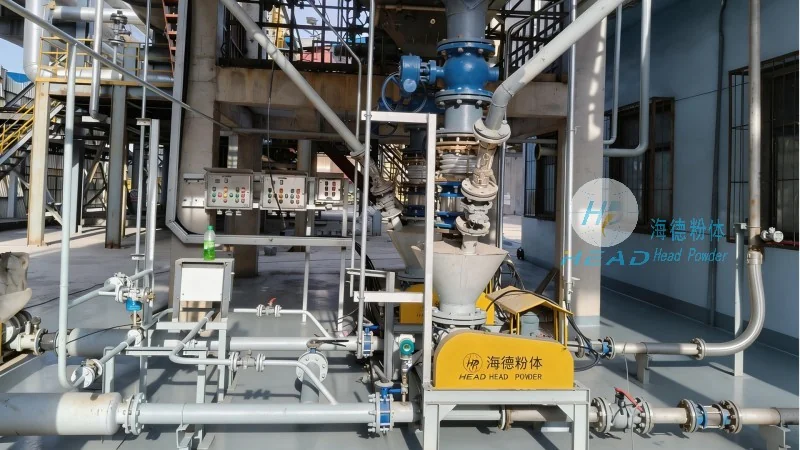
First, raw anode materials are stored in bulk containers or silos. A rotary valve or feeder then regulates the flow of material from the storage hopper into the conveying line. The material is then transported through a network of pipes or ducts, often using positive displacement blowers or vacuum pumps to create the necessary pressure or suction for movement. This pneumatic conveying method ensures that powders are moved gently, preserving their particle size distribution and preventing agglomeration.
During the conveying process, the system may incorporate features like in-line sensors and filters to monitor and maintain material quality. These sensors can detect variations in flow rate, particle size, or moisture content, triggering adjustments to maintain optimal conditions. The conveying line is also equipped with dust collection systems to ensure environmental compliance and operator safety.
Key Features of the Battery Anode Material Powder Conveying Line
The battery anode material powder conveying line from Shandong HeadPowder Engineering Co., Ltd. is characterized by several advanced features that set it apart in the industry. These features are designed to address the unique challenges of handling fine powders in high-purity environments, such as those required for battery production.
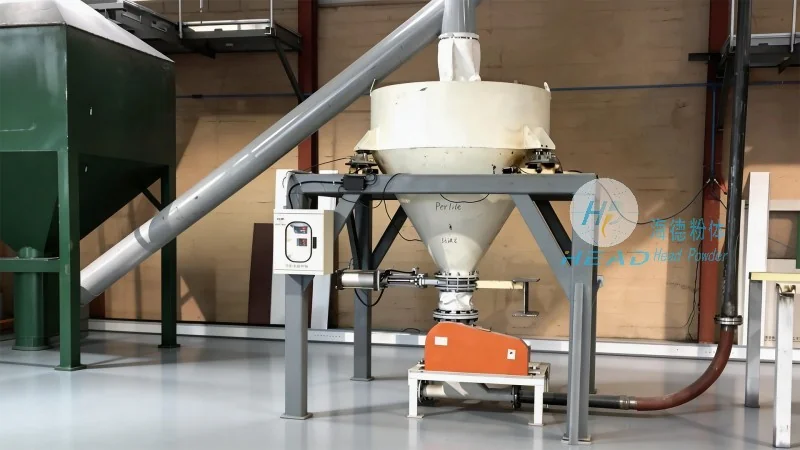
One of the primary features is the system's ability to handle a wide range of anode materials with varying particle sizes and flow properties. The adjustable feeders and variable-speed conveyors allow for precise control over material flow rates, ensuring that each batch of material is processed uniformly. This adaptability is crucial for accommodating different material compositions and production requirements.
Another significant feature is the system's high level of automation and integration with other production processes. The conveying line can be seamlessly connected to mixing, coating, and drying equipment, forming a fully automated production line. This integration reduces manual intervention, minimizes human error, and enhances overall operational efficiency. The control system is equipped with user-friendly interfaces that allow operators to monitor and adjust parameters in real-time, ensuring optimal performance.
Sanitation and contamination control are also critical features of the battery anode material powder conveying line. The system is constructed from materials that are easy to clean and maintain, such as stainless steel, and incorporates sealed components to prevent cross-contamination between different materials. This is essential for maintaining the high purity standards required for battery anode materials, which directly impact the performance and lifespan of the final battery products.
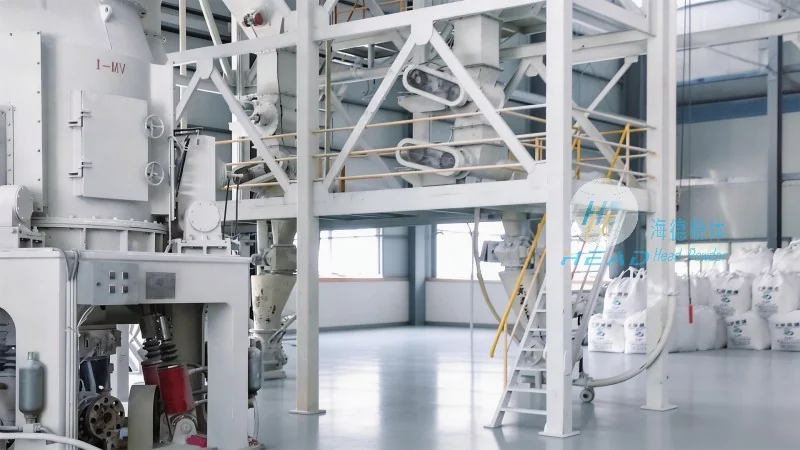
Additionally, the conveying line is designed for durability and low maintenance. High-quality components and robust construction ensure long service life, reducing downtime and maintenance costs for the end-user. The system's modular design allows for easy expansion or modification as production needs evolve, providing a flexible solution for growing battery manufacturing operations.
Conclusion
The battery anode material powder conveying line from Shandong HeadPowder Engineering Co., Ltd. represents a state-of-the-art solution for the efficient and reliable handling of anode materials in battery production. By integrating advanced pneumatic conveying technologies with robust automation and contamination control features, this system addresses the critical needs of modern battery manufacturers, ensuring consistent quality, high productivity, and compliance with industry standards.