

Working Principle and Features of Artificial Graphite Powder Conveyors
For industries dealing with artificial graphite powder, efficient and reliable conveying systems are crucial for maintaining production efficiency and product quality. The artificial graphite powder conveyor, a specialized piece of equipment designed for handling this specific material, operates based on principles that ensure smooth and safe material transport. This article delves into the working principle and key features of such conveyors, providing insights into how they enhance operational performance in various industrial applications.
About HeadPowder: Your Trusted Artificial Graphite Powder Conveying Solutions Provider
HeadPowder, or Shandong HeadPowder Engineering Co., Ltd., is a leading manufacturer based in Shandong, China, dedicated to providing high-quality conveying solutions for artificial graphite powder. With years of experience in the field, the company specializes in designing and producing equipment tailored to the unique properties of artificial graphite, ensuring optimal performance and durability. HeadPowder's commitment to innovation and customer satisfaction has made it a trusted name in the industry, offering reliable products that meet the demanding requirements of modern industrial processes.
Understanding the Working Principle of Artificial Graphite Powder Conveyors
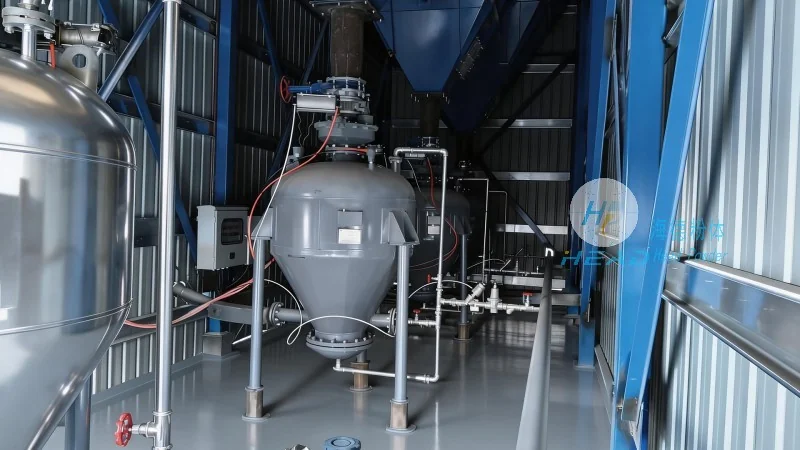
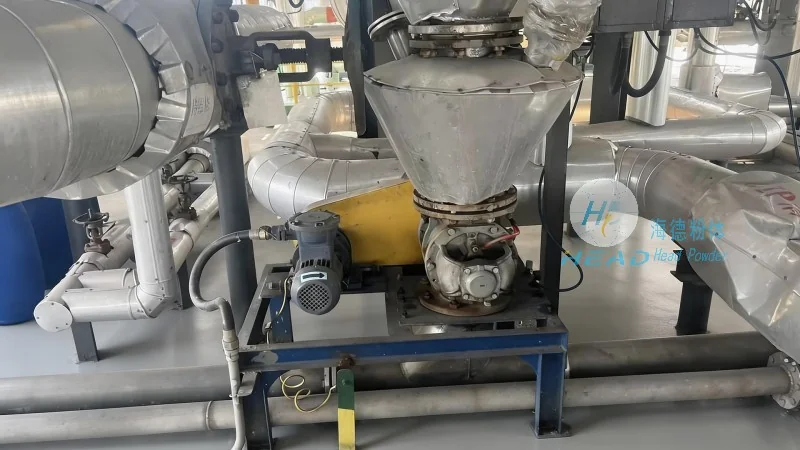
The artificial graphite powder conveyor operates on a straightforward yet effective mechanism that ensures the continuous and controlled movement of graphite powder. At its core, the system typically consists of a hopper or feeding device that collects the graphite powder, followed by a conveyor component that transports the material to the desired location. The feeding mechanism, often equipped with a rotary valve or screw feeder, regulates the flow of powder into the conveyor, preventing blockages and ensuring a consistent feed rate. This controlled feeding is critical for maintaining the integrity of the graphite powder, as artificial graphite is sensitive to handling and can degrade if not handled properly.
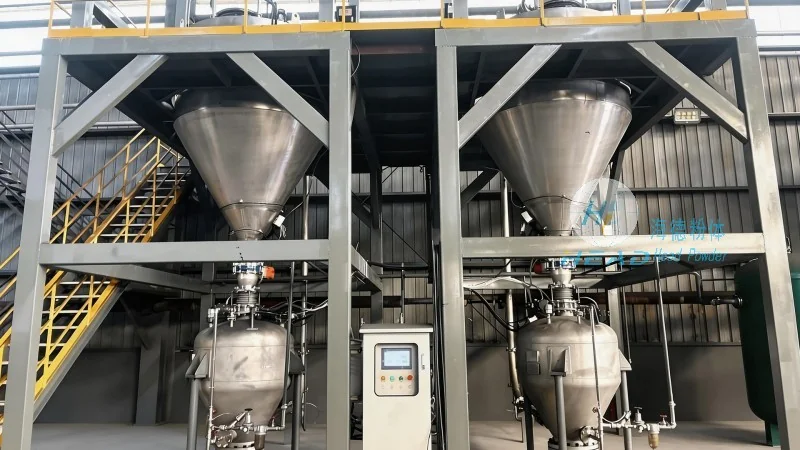
The conveyor itself may use various technologies depending on the specific application, such as pneumatic conveying systems or mechanical screw conveyors. Pneumatic conveyors utilize air pressure to move the powder through a pipeline, while mechanical conveyors rely on rotating screws or belts to transport the material. In the case of artificial graphite, the choice of technology depends on factors like the powder's moisture content, particle size, and the required conveying distance. The system also includes control valves and sensors that monitor the flow rate and pressure, ensuring the conveyor operates within safe and efficient parameters. This automated control system helps maintain the stability of the conveying process, reducing the risk of material spillage or equipment damage.
Key Features and Advantages of Artificial Graphite Powder Conveyors
Artificial graphite powder conveyors from HeadPowder are designed with several key features that enhance their performance and usability. One of the primary advantages is their ability to handle the unique properties of artificial graphite, such as its high thermal conductivity and resistance to corrosion. The equipment is constructed from materials that are compatible with graphite, minimizing the risk of contamination and ensuring the purity of the material remains intact. Additionally, the conveyors are equipped with dust collection systems to control airborne particles, which is essential for maintaining a safe and healthy working environment, especially in environments where graphite dust can be hazardous.
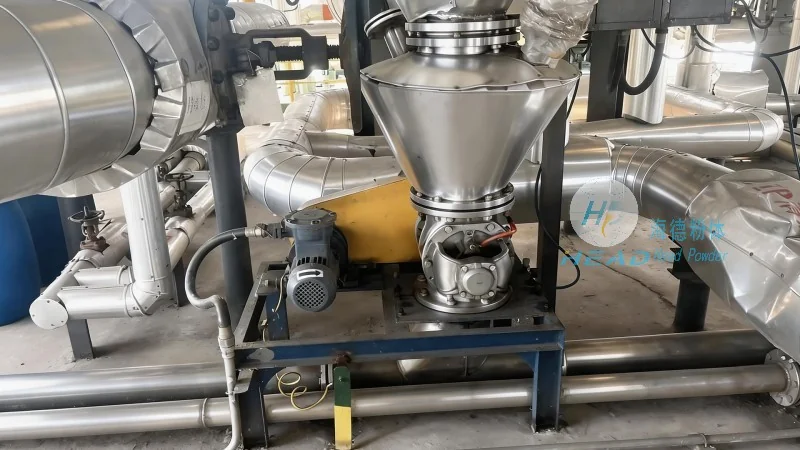
Another notable feature is the system's adaptability to different production scales. Whether for small-scale laboratory applications or large-scale industrial operations, the conveyors can be customized to meet specific requirements. This flexibility allows industries to scale their operations without the need for significant equipment changes, providing a cost-effective solution for expanding production. The conveyors also feature easy maintenance and cleaning capabilities, which are crucial for maintaining operational efficiency and reducing downtime. Regular maintenance is simplified by the design of the feeding and conveying components, which can be easily accessed and serviced without extensive disassembly.
Applications and Benefits in Industrial Settings
The artificial graphite powder conveyor is widely used in various industries that rely on artificial graphite for their products. In the battery manufacturing industry, for example, these conveyors are essential for transporting graphite powder to the production lines, where it is used as an anode material. The consistent and controlled delivery of graphite powder ensures uniform battery performance and reduces the risk of defects. Similarly, in the lubricant and coating industries, the conveyors help maintain the quality of graphite-based products by preventing contamination and ensuring a stable supply of material. The benefits of using artificial graphite powder conveyors extend beyond material handling; they also contribute to improved safety and operational efficiency in industrial settings.
Conclusion and Company Commitment
In conclusion, the artificial graphite powder conveyor is a vital piece of equipment for industries dealing with artificial graphite powder. Its working principle, based on controlled feeding and efficient transport mechanisms, ensures the smooth and safe handling of this specialized material. The key features and advantages of such conveyors, including material compatibility, dust control, and adaptability, make them an essential component of modern industrial operations. HeadPowder, with its expertise and commitment to quality, continues to provide reliable and effective conveying solutions that meet the needs of its clients. By choosing HeadPowder's artificial graphite powder conveyors, industries can enhance their production efficiency, maintain product quality, and ensure a safe working environment.