

Working Principle and Characteristics of Corn Powder Pneumatic Conveying
HeadPowder, a leading provider in the field of powder handling technology, specializes in solutions for efficient and reliable corn powder pneumatic conveying systems. This article explores the fundamental working principle and key characteristics of such systems, highlighting how they enhance the processing and transportation of corn powder in industrial applications.
Introduction to Corn Powder Pneumatic Conveying
HeadPowder Engineering Co., Ltd., based in Shandong, China, has been at the forefront of developing advanced pneumatic conveying technologies tailored for the agricultural and food processing industries. The company's expertise lies in designing systems that address the unique challenges of handling corn powder, such as its fine particle size, hygroscopic nature, and potential for dust explosion risks. By leveraging their deep understanding of powder flow dynamics and material properties, HeadPowder ensures that their systems are optimized for safety, efficiency, and long-term performance.
The Working Principle of Corn Powder Pneumatic Conveying
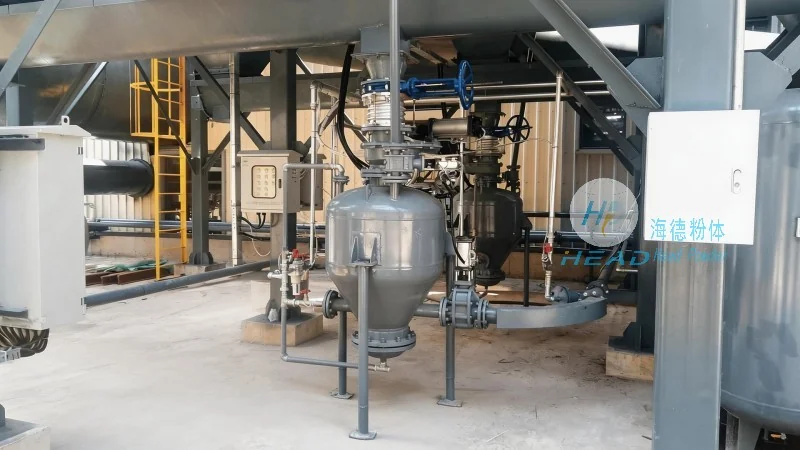
The core mechanism of corn powder pneumatic conveying involves the use of air or gas to transport dry powder materials through a pipeline system. In this process, a fan or blower generates a flow of air that creates a pressure differential, enabling the corn powder to be drawn into the conveying line and moved from the source to the destination. The system typically consists of several key components, including a hopper for material storage, a feeder to control the flow rate, a conveying line, and a receiver for the discharged material. The air flow is carefully regulated to maintain a consistent velocity, which is crucial for preventing particle segregation and ensuring uniform transport.
HeadPowder's systems are engineered to handle the specific characteristics of corn powder, such as its low bulk density and tendency to form agglomerates. The company employs advanced control technologies, such as variable frequency drives (VFDs) and pressure sensors, to adjust the air flow and pressure in real-time. This dynamic control ensures that the conveying process remains stable even when the material flow rate or particle size changes. Additionally, the use of positive pressure or negative pressure systems depends on the application requirements, with positive pressure being more common for corn powder due to its need to avoid contamination and maintain product integrity.
Key Characteristics of Corn Powder Pneumatic Conveying Systems
Several distinct characteristics define the performance and advantages of corn powder pneumatic conveying systems, making them an ideal choice for industrial applications. First, these systems offer a high degree of flexibility in terms of layout and integration with existing processing lines. Unlike mechanical conveying methods, which require fixed infrastructure and may limit the number of transfer points, pneumatic systems can be easily reconfigured to accommodate changes in production volume or process flow. This adaptability is particularly valuable in the dynamic environment of corn processing facilities.
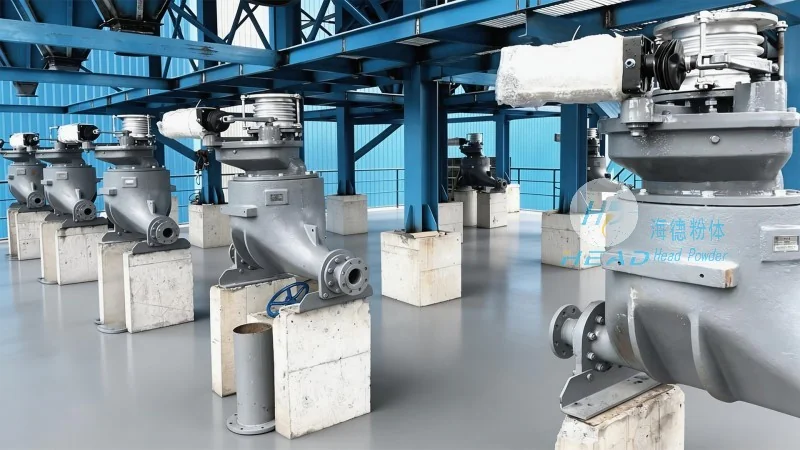
Second, corn powder pneumatic conveying systems provide excellent dust control and environmental protection. By enclosing the entire conveying process within a sealed pipeline, the system minimizes the release of fine particles into the workplace, reducing the risk of respiratory hazards and contamination. HeadPowder's designs incorporate advanced filtration and cleaning mechanisms to maintain air quality and comply with regulatory standards. This feature not only enhances worker safety but also helps maintain the quality of the corn powder by preventing exposure to contaminants.
Third, the systems are highly efficient in terms of energy consumption and operational costs. Compared to traditional methods like bucket elevators or belt conveyors, pneumatic conveying can achieve higher material throughput with lower energy input. The use of optimized air velocities and pipeline designs reduces energy waste, resulting in significant cost savings over the system's lifespan. HeadPowder's engineering team focuses on maximizing energy efficiency by selecting appropriate fan sizes, reducing pressure losses, and implementing energy-saving controls.
Fourth, corn powder pneumatic conveying systems offer superior material handling capabilities, especially for fine or cohesive powders like corn flour. The air flow helps break up agglomerates and maintain a uniform particle size distribution during transport. This prevents the formation of blockages and ensures consistent material flow, which is critical for maintaining product quality and preventing equipment downtime. HeadPowder's systems are equipped with features such as in-line mixers and agitators to further enhance the handling of cohesive materials, ensuring smooth and reliable operation.
Applications and Benefits in Corn Processing
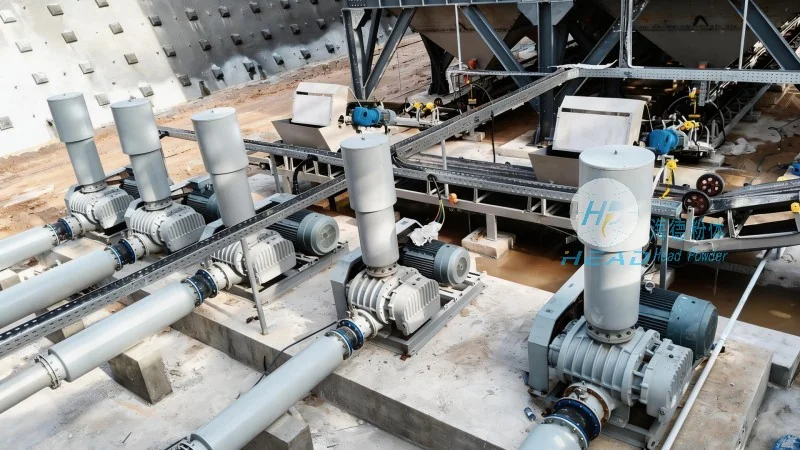
HeadPowder's corn powder pneumatic conveying systems are widely used in various stages of corn processing, from raw material handling to finished product packaging. In the initial stages, the system efficiently transports raw corn kernels from storage silos to grinding and milling equipment. The ability to handle large volumes of corn powder with minimal downtime makes it ideal for high-throughput processing plants. During the milling process, the system transfers corn flour and other byproducts to storage silos or packaging lines, ensuring a continuous flow of materials.
In addition to processing, the systems are also employed in quality control and packaging operations. For example, in the production of corn starch or corn syrup, the system can transport fine powders to mixing tanks or reactors, where precise dosing is essential for maintaining product consistency. The sealed nature of the conveying system also helps prevent cross-contamination between different product lines, which is crucial for maintaining product purity and meeting regulatory requirements.
The benefits of using HeadPowder's corn powder pneumatic conveying systems extend beyond operational efficiency. By reducing manual handling and exposure to dust, the systems improve workplace safety and reduce the risk of accidents. The consistent and reliable transport of corn powder also minimizes product loss and waste, contributing to overall cost savings and environmental sustainability. Furthermore, the modular design of the systems allows for easy expansion or modification as production needs evolve, providing long-term value to the customer.
Conclusion
HeadPowder Engineering Co., Ltd., with its headquarters in Shandong, China, has established itself as a trusted provider of advanced corn powder pneumatic conveying solutions. By combining deep technical expertise with innovative engineering, the company delivers systems that are tailored to the specific requirements of corn processing industries. The working principle of these systems, which relies on air flow to transport dry powder, combined with their key characteristics such as flexibility, dust control, and energy efficiency, makes them a superior choice for modern industrial applications. As the demand for efficient and safe powder handling continues to grow, HeadPowder remains committed to developing cutting-edge technologies that meet the evolving needs of the market.