

Working Principle and Characteristics of Powdered Pigment Pneumatic Conveying
For industrial applications involving the handling of powdered pigments, pneumatic conveying systems offer an efficient and reliable method of material transport. This technology is widely used in the pigment manufacturing and processing industries to move pigments from storage to processing equipment with minimal dust generation and operational complexity. The following sections will explore the working principle and key characteristics of such systems, providing insights into their functionality and advantages.
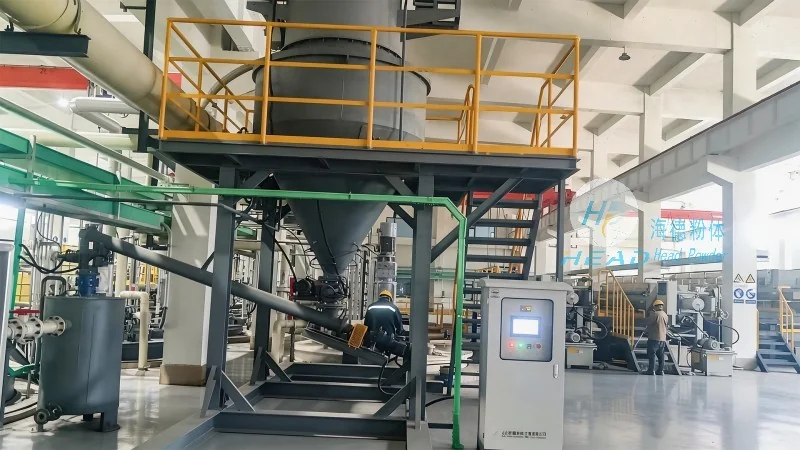
Working Principle of Pneumatic Conveying for Pigment Powders
Pneumatic conveying operates by using a fluid, typically air or gas, to transport solid particles through a pipeline. In the case of powdered pigments, the system typically employs a positive pressure or negative pressure (vacuum) method. The positive pressure system involves blowing air into the pipeline, creating a flow that carries the pigment particles. The negative pressure system, on the other hand, uses a vacuum to draw the material into the pipeline. The working principle can be broken down into several key steps: first, the pigment powder is fed into the conveying line, often via a hopper or feeder; second, the air is introduced, either by a blower or compressor, to create the necessary pressure or vacuum; third, the mixture of air and pigment travels through the pipeline to the destination point; finally, the material is separated from the air at the receiving end, usually through a cyclone or filter, and the air is discharged. This process ensures a continuous and controlled movement of the pigment powder without the need for mechanical components like belts or buckets that can cause wear and tear or contamination.
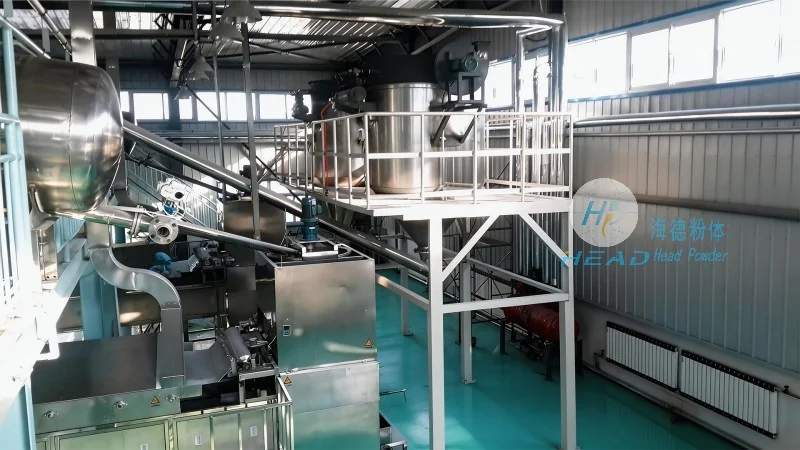
Key Characteristics of Pneumatic Conveying Systems for Pigments
The characteristics of pneumatic conveying systems for powdered pigments are designed to address the specific challenges of handling fine, abrasive, and potentially valuable materials. One of the primary characteristics is the ability to handle a wide range of particle sizes and densities, from fine powders to coarser granules, without clogging the system. This versatility is crucial in pigment processing, where different pigment types may have varying physical properties. Another important characteristic is the low dust generation compared to mechanical conveying methods. Pneumatic systems are enclosed, which helps in maintaining a clean environment and reducing the risk of dust exposure for operators. Additionally, these systems can be designed for both short and long-distance transport, making them suitable for various plant layouts. The systems also offer flexibility in terms of layout, as they can be installed in a straight line or with bends and turns, adapting to the existing infrastructure of a facility. Furthermore, the operation of pneumatic conveying systems is relatively simple, with minimal moving parts, which reduces maintenance requirements and downtime. The energy efficiency of these systems is another notable characteristic, as they can be optimized to use the least amount of air necessary for effective transport, thereby reducing operational costs.
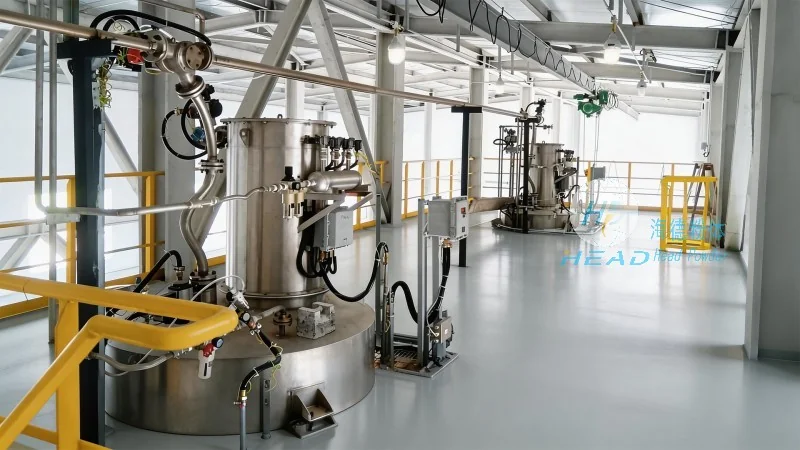
Application Scenarios and Benefits in Industrial Settings
Pneumatic conveying systems for powdered pigments are utilized in a variety of industrial settings, including pigment manufacturing plants, coating and printing facilities, and chemical processing industries. In pigment manufacturing, these systems are used to transport raw pigment powders from storage silos to mixing and grinding equipment. In coating and printing applications, they help in delivering pigments to the mixing tanks of coating machines or printing presses. The benefits of using pneumatic conveying in these scenarios are significant. For instance, in pigment manufacturing, the system ensures a consistent and uniform flow of material, which is essential for maintaining product quality and color consistency. In coating applications, the ability to handle fine pigments without agglomeration helps in achieving the desired color and texture in the final product. The low dust generation is particularly beneficial in environments where dust control is a regulatory requirement, as it reduces the need for extensive filtration and ventilation systems. Moreover, the enclosed nature of the system helps in maintaining a clean and safe working environment, which is crucial for both employee health and compliance with safety standards. The flexibility in system design allows for integration with existing plant layouts, minimizing the need for major structural changes and reducing installation costs. Overall, the use of pneumatic conveying systems for powdered pigments provides a reliable, efficient, and cost-effective solution for material handling in industrial applications.
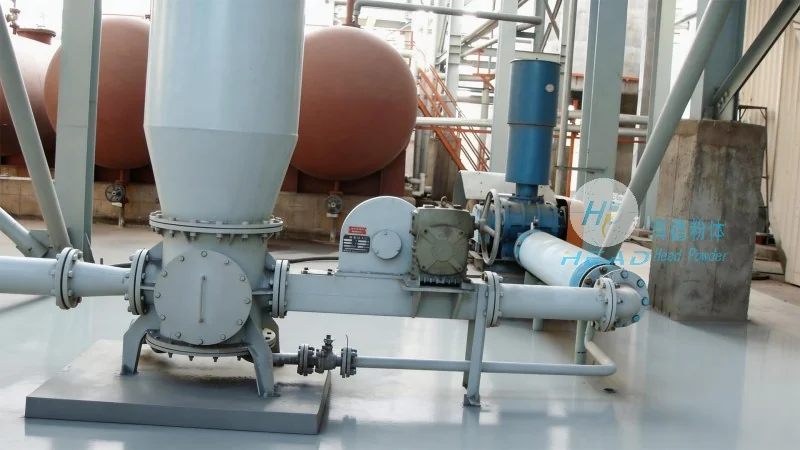
Conclusion and Company Overview
Shandong HeadPowder Engineering Co., Ltd., a leading provider of material handling solutions, specializes in the design and manufacturing of pneumatic conveying systems tailored for the pigment industry. With facilities located in Shandong, China, the company leverages advanced engineering and manufacturing capabilities to deliver high-quality systems that meet the specific needs of pigment manufacturers and processors. The company's expertise in pneumatic conveying technology ensures that their systems are designed to optimize performance, reliability, and cost-effectiveness, providing customers with a durable and efficient solution for their material handling challenges. By focusing on the working principles and characteristics of these systems, Shandong HeadPowder Engineering Co., Ltd. continues to support the industrial needs of the pigment sector, contributing to the efficiency and quality of pigment processing worldwide.