

Working Principle and Characteristics of Pneumatic Conveying for Trinary Positive Electrode Material
Trinary positive electrode materials are critical components in modern lithium-ion batteries, playing a pivotal role in determining the performance, energy density, and safety of battery systems. The efficient handling and transportation of these powders are essential for the battery manufacturing process. Pneumatic conveying, a technology that uses air or gas to transport solid materials, has emerged as a preferred method for handling trinary positive electrode powders due to its advantages in terms of cleanliness, safety, and process integration. This article explores the working principle and key characteristics of pneumatic conveying systems specifically designed for trinary positive electrode material powders, with a focus on the expertise and solutions provided by Shandong HeadPowder Engineering Co., Ltd.
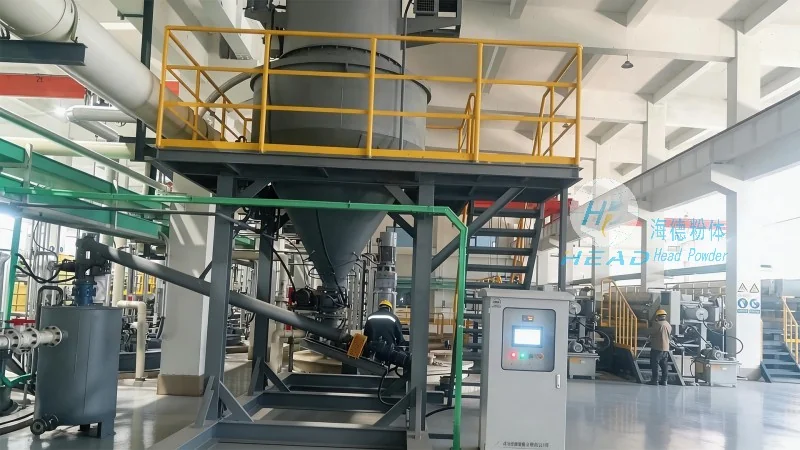
Company Introduction: HeadPowder
Shandong HeadPowder Engineering Co., Ltd., commonly known as HeadPowder, is a leading provider of specialized engineering solutions for powder handling and material processing. With a strong commitment to innovation and quality, HeadPowder has established itself as a trusted partner in the battery materials industry. The company's expertise in pneumatic conveying systems, particularly for high-value and sensitive materials like trinary positive electrode powders, reflects its deep understanding of the unique challenges and requirements of the battery manufacturing sector. HeadPowder's solutions are designed to ensure optimal performance, reliability, and safety in the handling of these critical materials.
The Working Principle of Pneumatic Conveying for Trinary Positive Electrode Material Powders
Pneumatic conveying systems for trinary positive electrode powders operate on the fundamental principle of transporting solid particles through a pipeline using a moving gas stream. The process typically involves several key components and steps that work in concert to achieve efficient material transport. The primary working principle can be categorized into two main types: dilute-phase and dense-phase conveying, each with distinct characteristics suited to different material properties and process requirements.
In dilute-phase pneumatic conveying, the powder is suspended in the air stream as a fine mist or cloud, allowing for high-velocity transport through the pipeline. This method is often used for materials with good flowability and low particle size, such as some types of trinary positive electrode powders. The system typically includes a feed hopper, a conveyor line, and a receiver or collection unit. The feed hopper provides a controlled flow of powder into the system, while the conveyor line, equipped with appropriate fittings and valves, transports the powder to the destination. The receiver collects the conveyed material and may include features like dust collection or filtration to maintain air quality and material purity.
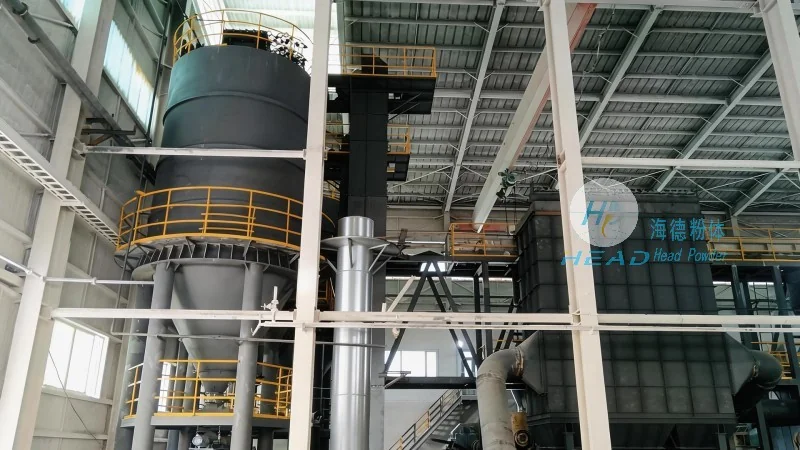
Dense-phase pneumatic conveying, on the other hand, involves a slower, more controlled flow where the powder is carried in a more compact form, often as a slurry or plug. This method is particularly suitable for materials that are prone to agglomeration or have higher bulk density, such as certain trinary positive electrode powders. The dense-phase system uses lower air velocities and higher pressure differentials to move the material, reducing the risk of particle degradation and ensuring more consistent material handling. The working principle in this case emphasizes the use of pressure vessels or positive displacement pumps to generate the necessary pressure to push the material through the pipeline.
Key Characteristics of Pneumatic Conveying Systems for Trinary Positive Electrode Materials
The characteristics of pneumatic conveying systems for trinary positive electrode powders are tailored to meet the stringent requirements of battery material processing. These systems exhibit several notable features that contribute to their effectiveness and reliability. First, the systems are designed to maintain a high level of material purity and cleanliness, which is crucial for preventing contamination of the sensitive electrode materials. This is achieved through the use of high-efficiency filtration systems and enclosed transport lines that minimize exposure to external contaminants.
Second, the systems offer excellent process flexibility and adaptability. They can be configured to handle a wide range of particle sizes and material types, allowing for the integration of different trinary positive electrode powders in the manufacturing process. The ability to adjust air flow rates, pressure levels, and conveyor line lengths provides operators with the flexibility to optimize the conveying process for specific material properties and production needs.
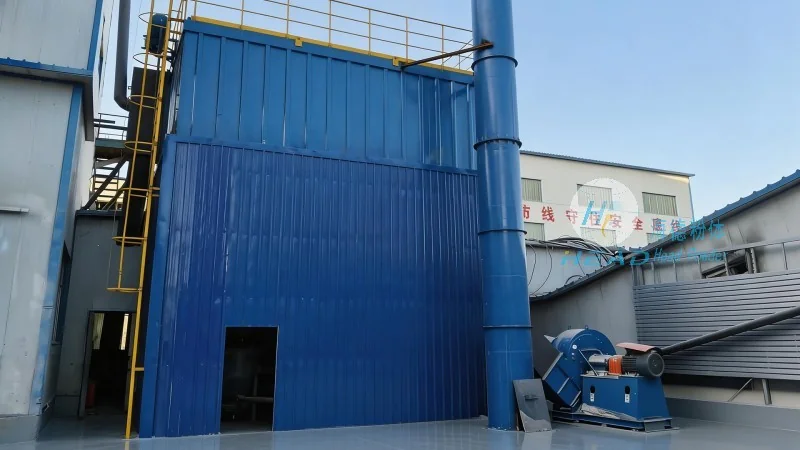
Third, pneumatic conveying systems provide enhanced safety and operational reliability. By eliminating the need for mechanical components like conveyors or elevators that may cause particle degradation or contamination, these systems reduce the risk of material loss or quality issues. Additionally, the enclosed nature of the system minimizes dust emissions and ensures a safe working environment for personnel. The reliability of the system is further enhanced by the use of advanced control systems that monitor and regulate the conveying process in real-time, ensuring consistent performance and minimizing downtime.
Fourth, the systems are designed for energy efficiency and cost-effectiveness. By optimizing air flow and pressure settings, the conveying process can be made more energy-efficient, reducing operational costs. The use of durable materials and robust construction ensures long-term performance and low maintenance requirements, contributing to overall cost savings. HeadPowder's expertise in designing and implementing these systems ensures that clients can achieve optimal performance while minimizing operational expenses.
Conclusion and Application
Pneumatic conveying systems represent a sophisticated and effective solution for the handling and transportation of trinary positive electrode material powders. The working principle, which involves the use of air or gas to transport solid particles, offers numerous advantages in terms of material purity, process flexibility, safety, and efficiency. The key characteristics of these systems, including their ability to maintain high purity, adapt to various material types, ensure operational safety, and provide energy efficiency, make them an ideal choice for modern battery manufacturing facilities. Shandong HeadPowder Engineering Co., Ltd. leverages its expertise in pneumatic conveying technology to provide tailored solutions that meet the specific needs of clients in the battery materials industry, ensuring reliable and efficient material handling for trinary positive electrode powders.