

Working Principle and Features of a Calcined Gypsum Material Pneumatic Conveying Line
Shandong HeadPowder Engineering Co., Ltd. is a professional manufacturer and supplier specializing in pneumatic conveying systems, with a focus on calcined gypsum material handling solutions. The company is located in Shandong, China, and has extensive experience in designing and manufacturing high-quality equipment for various industrial applications.
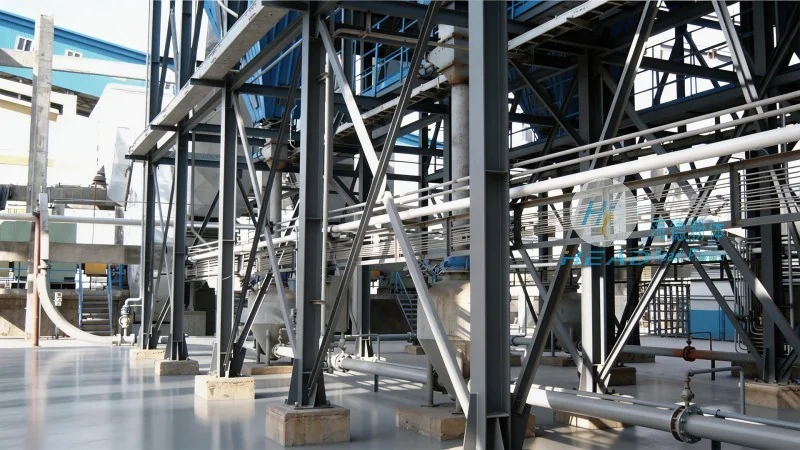
Working Principle of the Pneumatic Conveying Line
The calcined gypsum material pneumatic conveying line operates based on the principle of air pressure to transport bulk materials. The system typically consists of several key components, including a feeder, a conveying pipeline, a separator, and a dust collector. The feeder is responsible for feeding the calcined gypsum into the pipeline at a controlled rate. The conveying pipeline, often made of stainless steel or other corrosion-resistant materials, transports the material using compressed air. The air pressure creates a flow that carries the gypsum particles through the system. At the receiving end, a separator separates the material from the air, and the air is then filtered and discharged. This process ensures efficient and continuous material transfer without the need for mechanical components that might cause wear or blockages.
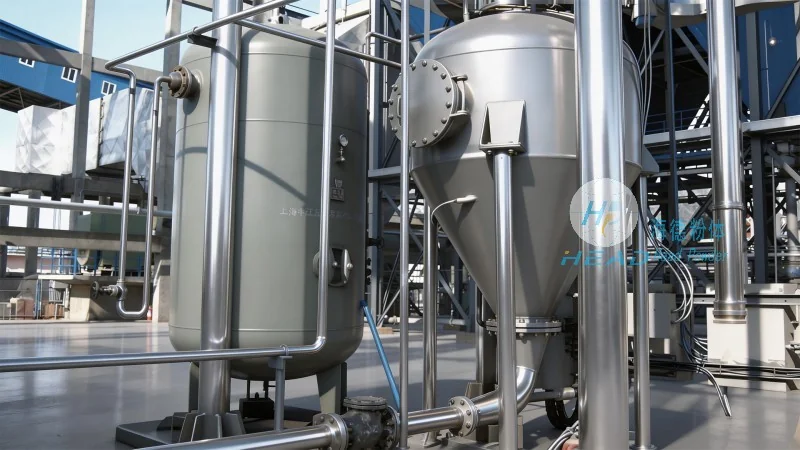
Key Features of the System
The pneumatic conveying line for calcined gypsum material offers several advantages that make it an ideal choice for industrial applications. Firstly, it provides high efficiency in material transport, with the ability to handle large volumes of gypsum quickly and reliably. The system is designed to minimize material loss and degradation, which is crucial for maintaining the quality of the gypsum product. Secondly, the equipment is highly adaptable to different operational conditions, including varying material flow rates and pipeline lengths. This flexibility allows for customization to meet specific customer requirements. Thirdly, the system is easy to maintain and operate, with minimal downtime required for routine maintenance. The use of corrosion-resistant materials ensures long-term durability and reduces the need for frequent replacements. Additionally, the system is energy-efficient, as it optimizes air usage to minimize operational costs. The design also incorporates safety features to prevent dust explosions and ensure compliance with industrial safety standards.
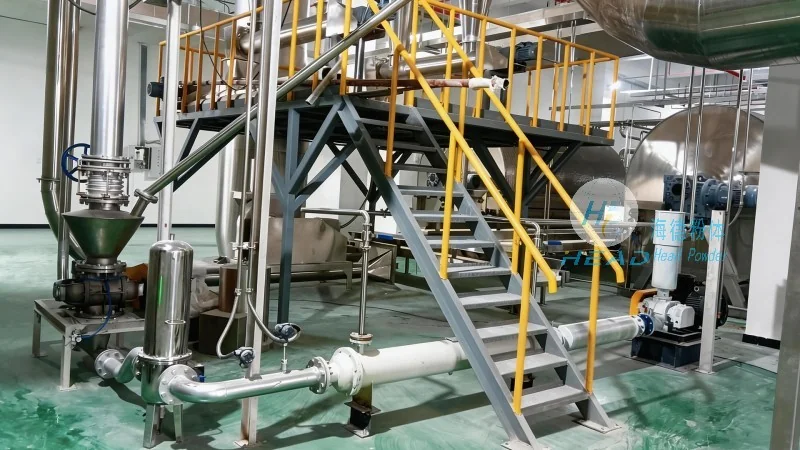
Application and Benefits
The calcined gypsum pneumatic conveying line is widely used in the construction industry, where gypsum is a key raw material for plaster and drywall products. The system enables seamless integration of gypsum from storage to processing facilities, improving production efficiency and reducing manual handling. The benefits of using this system include improved workplace safety due to reduced manual handling, lower operational costs through energy efficiency, and enhanced product quality by minimizing material degradation. The system's reliability and durability also contribute to long-term cost savings for businesses, as it reduces the need for frequent repairs and replacements.