

Working Principle and Features of Quartz Sand Particle Material Pneumatic Conveying Lines
Quartz sand, a crucial raw material in various industrial applications, often requires efficient and reliable transportation methods to ensure smooth production processes. Pneumatic conveying lines, specifically designed for handling quartz sand particles, have emerged as a preferred solution in the industry. This article delves into the working principle and key features of such systems, highlighting their significance in modern material handling.
Understanding the Working Principle of Quartz Sand Pneumatic Conveying Lines
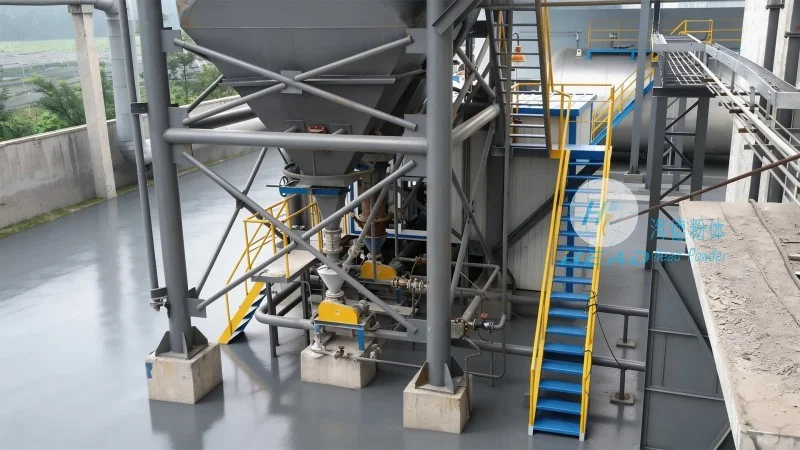
The core of a quartz sand particle material pneumatic conveying line lies in its ability to transport dry bulk materials like quartz sand through a pressurized or vacuum environment using air or gas. The system typically operates by introducing air into a hopper or feeder, where the quartz sand particles are drawn or pushed through a pipeline network. The working principle can be categorized into two main types: positive pressure and negative pressure systems.
In a positive pressure system, compressed air is supplied to the material source, creating a pressure differential that propels the quartz sand particles through the pipeline. This method is often used for long-distance or high-capacity conveying, as it can handle larger particle sizes and higher material loads. The air flow is controlled by a blower or compressor, ensuring consistent pressure and flow rates. The quartz sand particles are carried by the air stream, with the air velocity maintained above the minimum fluidization velocity to prevent particle settling or blockage.
Conversely, negative pressure systems operate by creating a vacuum in the pipeline, drawing the quartz sand particles from the source into the system. This approach is suitable for applications where dust control is a priority, as the sealed pipeline prevents material leakage and air emissions. The vacuum is generated by a fan or ejector, and the air flow is directed to maintain a stable negative pressure throughout the conveying line. The quartz sand particles are entrained by the air stream, with the velocity carefully managed to ensure efficient transport without excessive energy consumption.
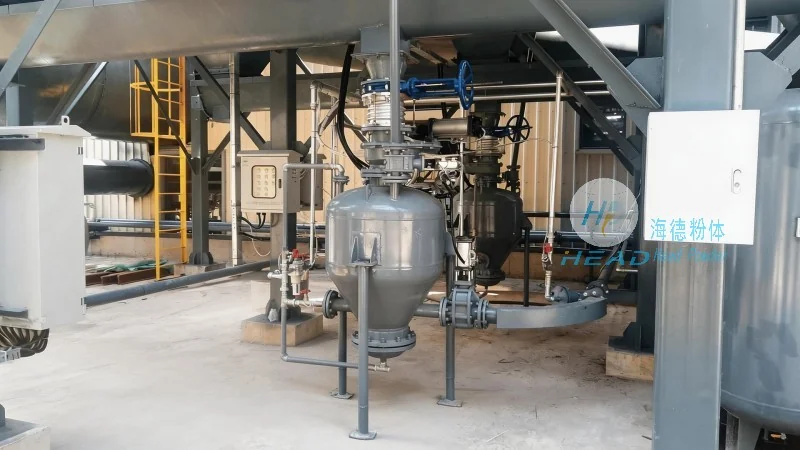
Both systems involve key components such as hoppers, feeders, pipelines, and control valves. The hoppers are designed to store and feed the quartz sand particles into the system, while the feeders regulate the material flow rate to match the conveying requirements. The pipelines are typically made of corrosion-resistant materials like stainless steel or plastic, suitable for handling quartz sand's abrasive properties. Control valves, including check valves and flow control valves, are used to manage the air flow and prevent backflow or pressure surges. Sensors and monitoring devices are also integrated to ensure the system operates within safe and efficient parameters.
Key Features of Quartz Sand Particle Material Pneumatic Conveying Lines
Quartz sand particle material pneumatic conveying lines offer several advantages that make them ideal for industrial applications. One of the primary features is their high efficiency in transporting dry bulk materials. Unlike traditional methods like belt conveyors or bucket elevators, pneumatic systems can handle fine or cohesive quartz sand particles without the risk of material degradation or blockage. The continuous and uniform flow of quartz sand ensures consistent production rates, reducing downtime and improving overall productivity.
Another significant feature is the environmental benefits of pneumatic conveying. By operating in a sealed pipeline, the system minimizes dust emissions and air pollution, making it a more sustainable option compared to open-air conveying methods. This is particularly important in industries where dust control is regulated, such as in manufacturing or construction. The sealed system also prevents contamination of the quartz sand particles, maintaining their purity and quality for downstream processes.
Energy efficiency is another notable feature of these systems. Modern pneumatic conveying lines are designed with energy-saving components, such as variable frequency drives (VFDs) and optimized air flow control. These features reduce energy consumption while maintaining the required conveying capacity. The positive pressure system, for instance, can achieve higher conveying rates with lower energy input compared to traditional methods, making it cost-effective for long-term operation.
Flexibility and adaptability are also key features. Quartz sand particle material pneumatic conveying lines can be customized to suit various production requirements, including different particle sizes, conveying distances, and material volumes. The modular design allows for easy expansion or modification of the system as production needs change. Additionally, the system can be integrated with other equipment, such as mixers or classifiers, to form a comprehensive material handling solution for quartz sand processing.
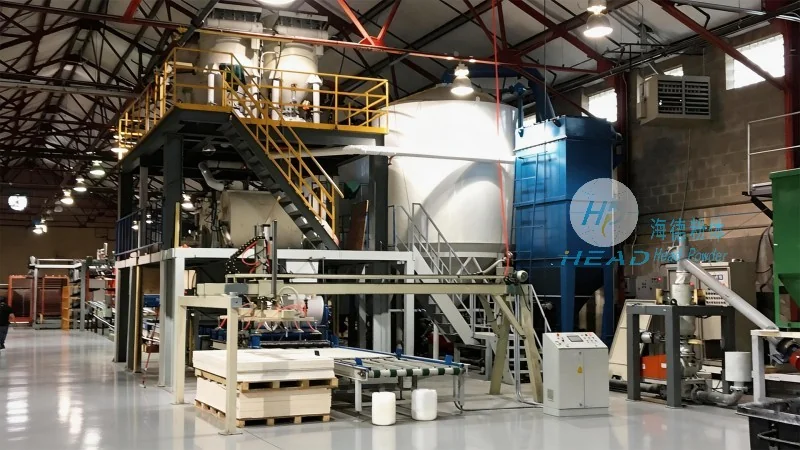
Reliability and low maintenance are other important aspects. The sealed pipeline and minimal moving parts reduce the risk of material spillage and equipment wear. Regular maintenance, such as cleaning the pipelines and replacing worn components, ensures the system operates smoothly over time. The use of durable materials like stainless steel and high-quality seals minimizes the need for frequent repairs, contributing to lower operational costs.
About Shandong HeadPowder Engineering Co., Ltd.
Shandong HeadPowder Engineering Co., Ltd., commonly known as HeadPowder, is a leading manufacturer and supplier of pneumatic conveying systems for quartz sand and other bulk materials. With a strong commitment to quality and innovation, HeadPowder has established itself as a trusted partner in the industry, providing reliable and efficient solutions for material handling challenges.
HeadPowder's expertise lies in designing and manufacturing customized pneumatic conveying lines tailored to the specific needs of clients. The company's team of engineers and technicians work closely with customers to understand their production requirements and develop optimal solutions. From initial design and installation to ongoing maintenance and support, HeadPowder ensures that each project is completed to the highest standards.
HeadPowder is headquartered in Shandong, China, with a state-of-the-art manufacturing facility equipped with advanced technology and equipment. The company adheres to international quality standards and certifications, ensuring that its products meet the highest performance and safety requirements. With a focus on customer satisfaction and long-term partnerships, HeadPowder continues to be a leading provider of pneumatic conveying systems in the global market.