

Principle and Working Scene Characteristics of Pneumatic Conveying for Calcium Hydroxide Powder
Calcium hydroxide powder, commonly known as slaked lime, is widely used in various industrial applications due to its versatile properties. The efficient transportation of this powder is crucial for industrial processes, and pneumatic conveying has emerged as a reliable method for handling such materials. This article explores the fundamental principles of pneumatic conveying for calcium hydroxide powder and highlights the key characteristics of its working scenes, providing insights into the practical applications and operational considerations, with a focus on the expertise of Shandong HeadPowder Engineering Co., Ltd. (headpowder), a leading provider of bulk material handling solutions based in China.
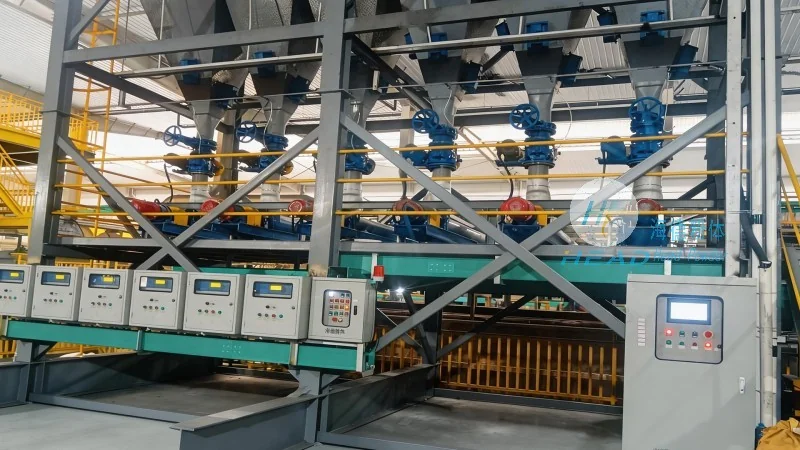
Understanding Pneumatic Conveying for Calcium Hydroxide Powder
Pneumatic conveying involves the transport of bulk materials through a pipeline using a gas stream, typically air or other gases. In the case of calcium hydroxide powder, the process relies on creating a flow of air that carries the powder particles through the system. The core principle is based on the balance between the pressure drop in the pipeline and the forces acting on the powder particles, such as gravity, friction, and aerodynamic drag. By maintaining an appropriate air velocity and pressure, the powder can be moved from the source to the destination without the need for mechanical components like belts or buckets, which are common in traditional bulk material handling.
Key Working Scene Characteristics of Pneumatic Conveying Systems
The working scenes for pneumatic conveying of calcium hydroxide powder vary based on the specific industrial requirements. These systems are typically designed to handle different powder flow rates, particle sizes, and environmental conditions. For instance, in manufacturing facilities, the conveying systems may need to transport the powder from storage silos to processing units, ensuring a continuous and controlled supply. The characteristics of the working scenes include the need for precise control over air pressure and flow rates to prevent material degradation or blockages. Additionally, the systems must be equipped with appropriate filtration and separation mechanisms to maintain the purity of the powder and protect the equipment from dust accumulation.
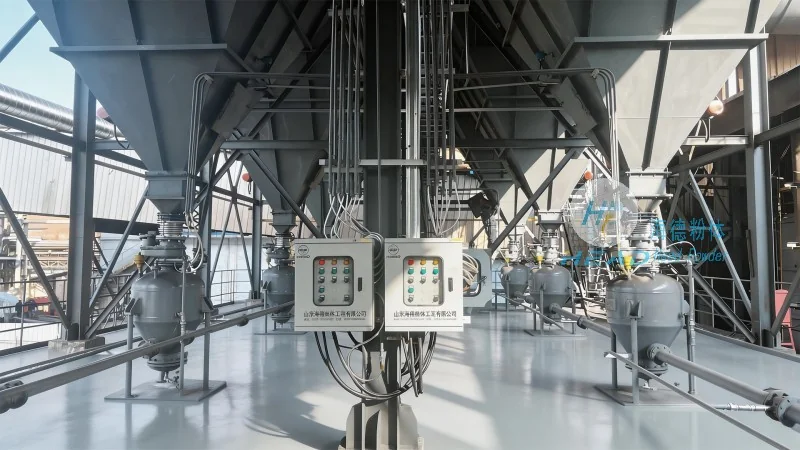
Operational Considerations and Efficiency in Pneumatic Conveying
Efficient operation of pneumatic conveying systems for calcium hydroxide powder requires careful consideration of several factors. The choice of air velocity is critical; too low a velocity may lead to material settling or blockages, while too high a velocity can cause excessive wear on the system components and increase energy consumption. The system design also needs to account for the particle size distribution of the calcium hydroxide powder, as larger particles may require higher air velocities to maintain suspension. Furthermore, the system must be equipped with proper maintenance protocols to ensure long-term reliability and minimize downtime. Regular inspection of the pipeline, air filters, and conveying components is essential to prevent issues such as clogging or pressure drops that could disrupt the operation.
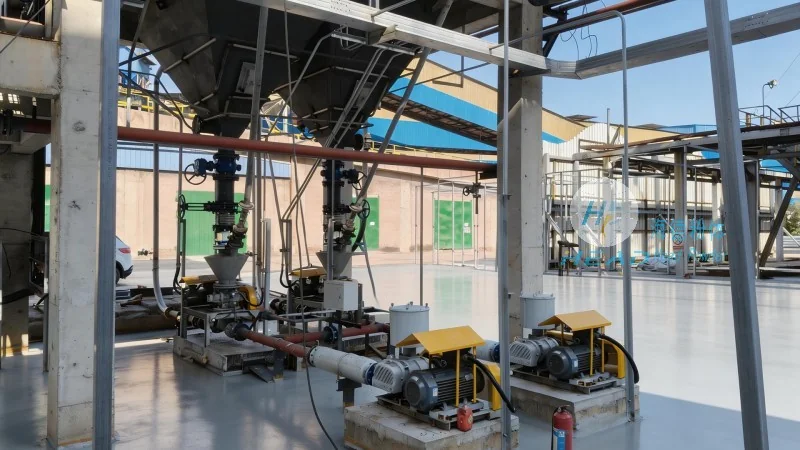
Applications and Benefits in Industrial Settings
Pneumatic conveying of calcium hydroxide powder finds applications in various industries, including construction, agriculture, and chemical processing. In construction, the powder is used as a component in plaster and mortar, and efficient conveying ensures that the material is delivered to job sites without loss or contamination. In agriculture, it serves as a soil amendment, and the ability to transport it in bulk reduces transportation costs and environmental impact. The benefits of pneumatic conveying include reduced labor costs, improved safety by eliminating manual handling, and enhanced process control. Moreover, the system can be integrated with other industrial processes, such as mixing and packaging, to streamline production workflows.
Conclusion
Pneumatic conveying is a sophisticated and effective method for transporting calcium hydroxide powder, offering numerous advantages over traditional handling methods. By understanding the fundamental principles and working scene characteristics, industrial operators can optimize their systems for efficiency and reliability. The continuous advancements in pneumatic conveying technology further enhance its applicability, making it a preferred choice for handling calcium hydroxide powder in modern industrial settings. As demand for calcium hydroxide continues to grow, the importance of efficient and reliable conveying systems becomes increasingly evident, ensuring that this essential material is delivered to its intended applications with minimal loss and maximum quality.