

Principle and Working Scene Characteristics of Pearl Luster Sand Powder Pneumatic Conveying
For industries dealing with pearl luster sand powder, efficient material handling is crucial for maintaining production efficiency and product quality. Pneumatic conveying systems offer a reliable solution for transporting such powders, and understanding their operational principles and application scenarios is essential for optimizing industrial processes. This article explores the fundamental principles behind pneumatic conveying of pearl luster sand powder and highlights key working scene characteristics that define its effectiveness in various industrial settings.
Core Principles of Pneumatic Conveying for Pearl Luster Sand Powder
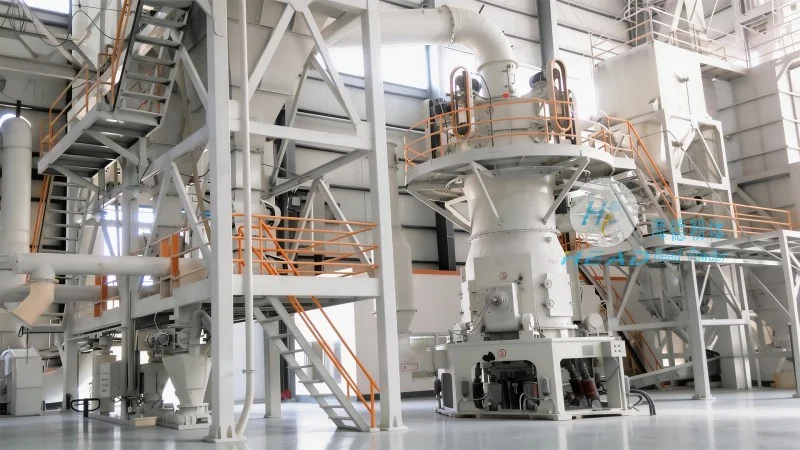
The primary principle of pneumatic conveying involves using a fluid (typically air or gas) to transport solid particles through a pipeline. In the case of pearl luster sand powder, this method relies on creating a flow of air that entrains the powder particles, allowing them to be moved from one location to another without the need for mechanical components like belts or buckets. The process typically operates under either positive or negative pressure, depending on the system design and the specific requirements of the material being conveyed.
Key components of a pneumatic conveying system for pearl luster sand powder include a feeding device, a conveying line, a separation or collection unit, and a control system. The feeding device ensures that the powder is introduced into the system in a controlled manner, preventing blockages or uneven flow. The conveying line, often made of stainless steel or other corrosion-resistant materials, is designed to handle the abrasive nature of the sand powder while maintaining air tightness. The separation unit, such as a cyclone or filter, separates the powder from the air stream, allowing the powder to be collected at the destination and the air to be recirculated or discharged. The control system monitors and adjusts the pressure, flow rate, and other parameters to ensure stable and efficient operation.
One of the critical factors in pneumatic conveying is the air velocity and pressure. For pearl luster sand powder, the air velocity must be sufficient to entrain the particles but not so high as to cause excessive wear on the system components or degrade the powder quality. The pressure differential between the inlet and outlet of the system determines the conveying distance and capacity. Proper design of the system, including the size of the conveying line and the number of bends or fittings, is essential to minimize pressure losses and ensure reliable transport.
Working Scene Characteristics of Pneumatic Conveying Systems
The application of pneumatic conveying for pearl luster sand powder varies across different industrial sectors, each with unique requirements and operational characteristics. Understanding these characteristics helps in selecting the appropriate system for specific tasks.
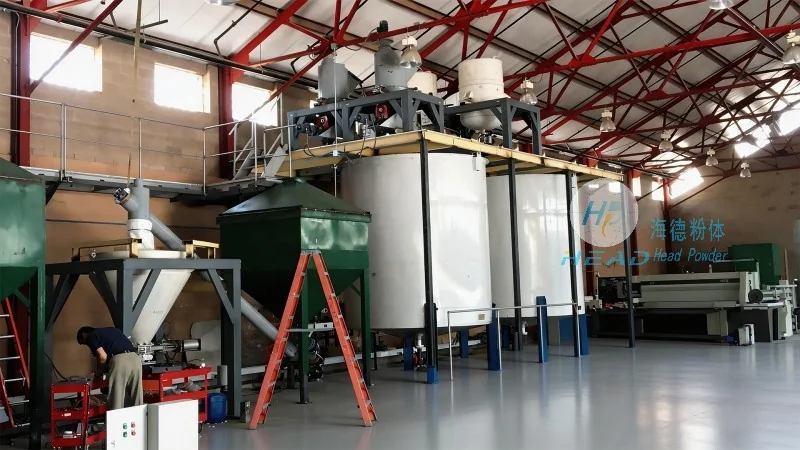
First, in the manufacturing of cosmetics and personal care products, pearl luster sand powder is often used as an additive to enhance the texture and appearance of creams, lotions, and powders. Pneumatic conveying systems are employed to transport the powder from storage silos to production lines, ensuring a consistent and hygienic supply. The systems are typically designed with stainless steel components to meet the stringent hygiene standards of the cosmetics industry, and the conveying process is controlled to prevent contamination or agglomeration of the powder.
In the construction industry, pearl luster sand powder is used as a decorative element in paints, coatings, and architectural finishes. Pneumatic conveying is used to transport the powder from bulk storage to mixing facilities or directly to application sites. The systems are often designed for high-capacity transport, as large quantities of the powder are required for commercial projects. The working scene here emphasizes durability and reliability, as the system must operate continuously under varying environmental conditions.
Another application is in the electronics industry, where pearl luster sand powder is used as a filler or coating material in the production of components like circuit boards and sensors. Pneumatic conveying systems in this sector are designed to handle fine powders with high precision, ensuring that the powder is delivered to the production line without loss or contamination. The working scene characteristics include strict control over particle size and purity, as any impurities can affect the performance of the final electronic products.
In the pharmaceutical industry, the use of pearl luster sand powder is limited due to regulatory requirements, but when used, pneumatic conveying systems must adhere to GMP (Good Manufacturing Practice) standards. The systems are equipped with filters and sterilization features to prevent contamination and ensure the safety of the powder. The working scene here focuses on maintaining a clean environment and preventing cross-contamination with other materials.
Advantages and Considerations in Pneumatic Conveying of Pearl Luster Sand Powder
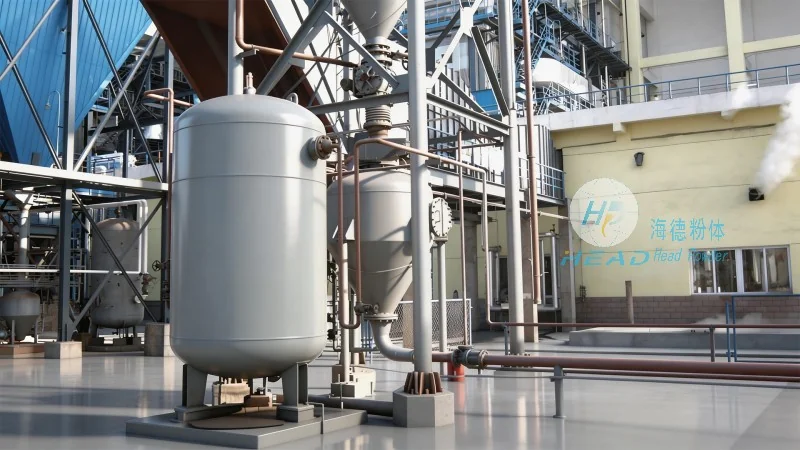
Pneumatic conveying offers several advantages for handling pearl luster sand powder, making it a preferred method in many industries. One of the main benefits is the ability to transport the powder in a closed system, which prevents dust emissions and protects the environment. This is particularly important for pearl luster sand powder, as it can be a fine, potentially hazardous material if not handled properly.
Another advantage is the flexibility of the system, which can be adapted to different production scales and layouts. Pneumatic conveying systems can be designed for low-capacity, short-distance transport or high-capacity, long-distance transport, depending on the needs of the application. The systems are also relatively easy to install and maintain, as they have fewer moving parts compared to mechanical conveying systems.
However, there are also considerations to keep in mind when implementing pneumatic conveying for pearl luster sand powder. The abrasive nature of the sand powder can lead to wear on the system components, particularly the conveying line and fittings. Regular maintenance and the use of wear-resistant materials are necessary to extend the lifespan of the system. Additionally, the cost of the system and the energy consumption for air compression must be considered, as these can impact the overall operational efficiency and cost-effectiveness.
Conclusion
Pneumatic conveying is a reliable and efficient method for transporting pearl luster sand powder across various industrial applications. By understanding the core principles and working scene characteristics of these systems, industries can optimize their material handling processes, improve product quality, and enhance operational efficiency. As a leading provider in this field, Shandong HeadPowder Engineering Co., Ltd. specializes in designing and manufacturing customized pneumatic conveying solutions tailored to the specific needs of clients, ensuring that the systems meet the highest standards of performance and reliability.