

Principles and Application Scenarios of Pneumatic Conveying for Metal Aluminum Powder
Pneumatic conveying is a critical technology in the handling and transportation of metal aluminum powder, offering efficient and reliable solutions for various industrial applications. As a leading provider in the field, Shandong HeadPowder Engineering Co., Ltd. specializes in designing and implementing advanced pneumatic conveying systems tailored to the unique characteristics of metal aluminum powder. This article explores the fundamental principles of pneumatic conveying for metal aluminum powder and highlights the key application scenarios where such systems excel.
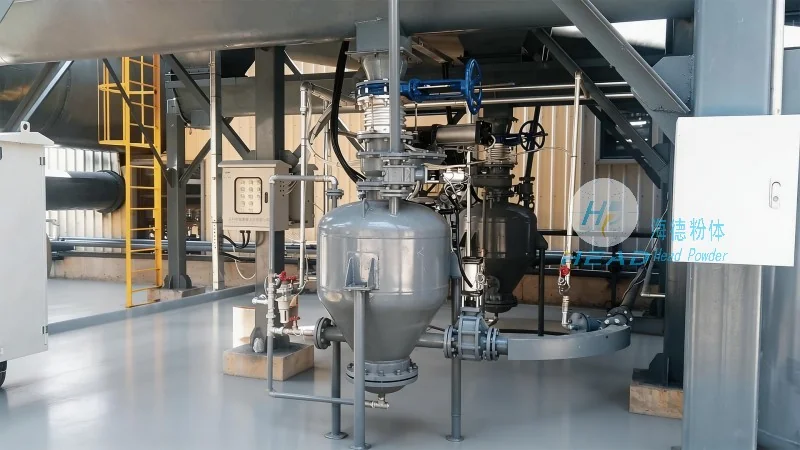
Principles of Pneumatic Conveying for Metal Aluminum Powder
The core principle of pneumatic conveying involves transporting solid particles, such as metal aluminum powder, through a pipeline using a gas stream, typically air. This method eliminates the need for mechanical components like belts or buckets, reducing maintenance and operational costs. There are two primary types of pneumatic conveying systems: positive pressure and negative pressure (or vacuum) systems. Positive pressure systems use a blower to generate pressure and push the material through the pipeline, while negative pressure systems employ a vacuum to draw the material into the system.
For metal aluminum powder, the choice of system depends on factors like the material's density, flowability, and the distance and layout of the conveying route. The gas-solid flow dynamics, including particle velocity, gas velocity, and pressure drop, are carefully calculated to ensure efficient and stable transport. Proper design of the conveying line, including the selection of pipe diameter, bends, and in-line equipment like cyclones or filters, is essential to prevent material degradation and system blockages.
Key Characteristics of Metal Aluminum Powder in Conveying
Metal aluminum powder possesses distinct properties that influence the design and operation of pneumatic conveying systems. These properties include high reactivity, potential for dust explosion, and varying particle sizes and shapes. The high reactivity of aluminum powder means that exposure to air or moisture can lead to oxidation, affecting its performance in end-use applications. Therefore, conveying systems must be designed to minimize exposure to ambient air and maintain a controlled environment. Additionally, the risk of dust explosion necessitates the implementation of explosion-proof measures, such as spark detection and suppression systems, to ensure safety during operation.
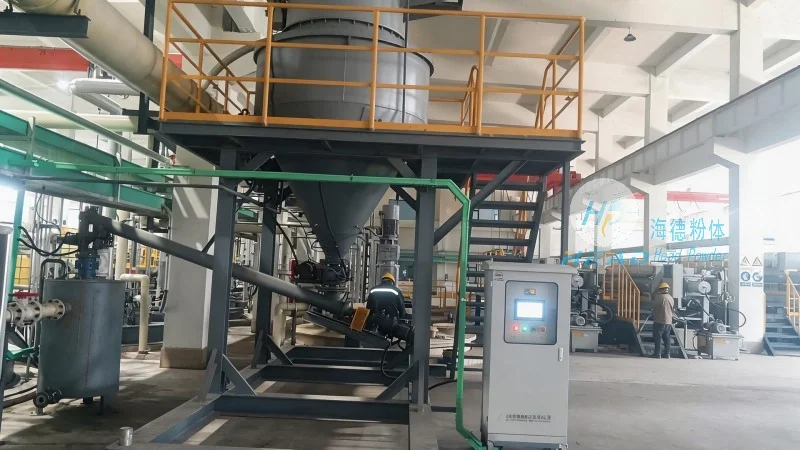
Particle size and shape also play a crucial role in conveying efficiency. Coarser particles may require higher gas velocities to maintain flow, while fine powders can lead to higher pressure drops and increased risk of clogging. The flowability of aluminum powder, influenced by moisture content and agglomeration, must be managed through proper material handling and conditioning before conveying. Shandong HeadPowder Engineering Co., Ltd. addresses these challenges by integrating advanced material handling techniques, such as pre-drying and de-agglomeration, into their conveying systems to optimize performance and safety.
Application Scenarios of Pneumatic Conveying for Metal Aluminum Powder
Pneumatic conveying systems for metal aluminum powder are widely used in various industrial settings, each with specific requirements and benefits. One common application is the internal transportation of aluminum powder within manufacturing facilities, such as in the production of aluminum alloys, aerospace components, or battery materials. In these scenarios, the system efficiently moves the powder from storage silos to processing equipment, reducing manual handling and improving process consistency.
Another key application is the long-distance transportation of aluminum powder between different production sites or from the manufacturing plant to distribution centers. Pneumatic conveying enables the safe and efficient transport of large quantities of powder over considerable distances, eliminating the need for bulk trucks or rail cars and reducing transportation costs and environmental impact. The system's ability to handle high volumes and maintain material integrity makes it ideal for supply chain logistics in the aluminum industry.
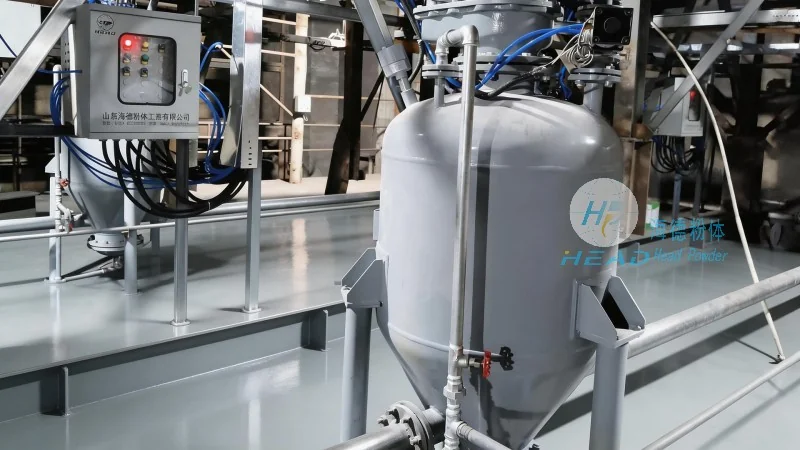
Furthermore, pneumatic conveying is utilized in research and development laboratories where precise control over powder flow is critical. These applications often involve small-scale conveying of aluminum powder for testing new formulations or processing methods. The flexibility of pneumatic systems allows for easy adjustment of flow rates and pressure, enabling researchers to conduct experiments with high accuracy and reproducibility.
Advantages of Pneumatic Conveying Systems for Metal Aluminum Powder
Compared to traditional mechanical conveying methods, pneumatic conveying offers several advantages for metal aluminum powder handling. One of the most significant benefits is the reduction in material degradation. Since the powder is conveyed in a closed system, it is protected from contamination, oxidation, and moisture, preserving its quality and performance. This is particularly important for aluminum powder used in high-value applications, such as aerospace or electronics, where material purity is paramount.
Another advantage is the improved safety and environmental control. Pneumatic systems minimize dust emissions and prevent the spread of airborne particles, reducing the risk of respiratory issues for workers and complying with environmental regulations. The enclosed design also prevents the material from coming into contact with external contaminants, ensuring product purity. Additionally, the absence of moving parts reduces the risk of mechanical failure and maintenance requirements, leading to lower operational costs and increased system reliability.
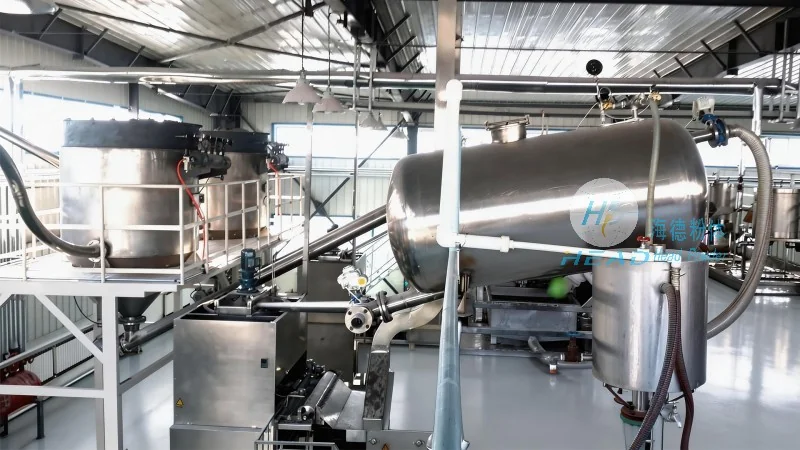
Efficiency and flexibility are also key benefits. Pneumatic conveying systems can handle a wide range of material characteristics and flow rates, making them adaptable to various production needs. The ability to adjust gas pressure and flow rates allows for precise control over the conveying process, optimizing energy consumption and minimizing waste. This flexibility is particularly valuable in dynamic manufacturing environments where production demands may change frequently.
Conclusion and Company Overview
Pneumatic conveying is a sophisticated and essential technology for the efficient handling and transportation of metal aluminum powder. The principles of gas-solid flow, combined with careful system design and material management, enable reliable and safe operation in diverse industrial applications. Shandong HeadPowder Engineering Co., Ltd. leverages its expertise in pneumatic conveying to provide customized solutions that address the unique challenges of metal aluminum powder, ensuring optimal performance, safety, and cost-effectiveness for its clients.
With a strong commitment to innovation and quality, Shandong HeadPowder Engineering Co., Ltd. continues to advance the technology of pneumatic conveying for metal aluminum powder, supporting the growth and success of the aluminum industry. The company's focus on tailored solutions and rigorous engineering ensures that its systems meet the highest standards of performance and reliability, making them a trusted partner for businesses operating in this field.