

Principles and Working Scene Characteristics of Titanium Dioxide Pneumatic Conveying
Titanium dioxide, a critical white pigment widely used in industries such as coatings, plastics, and paper, often requires efficient and safe material handling solutions. Pneumatic conveying, a technology that uses air or gas to transport bulk materials, has become a preferred method for handling titanium dioxide due to its advantages in dust control, flexibility, and automation. This article explores the fundamental principles of titanium dioxide pneumatic conveying and highlights the key characteristics of its working scenes, providing insights into how this technology optimizes material transport in industrial applications.
Core Principles of Pneumatic Conveying for Titanium Dioxide
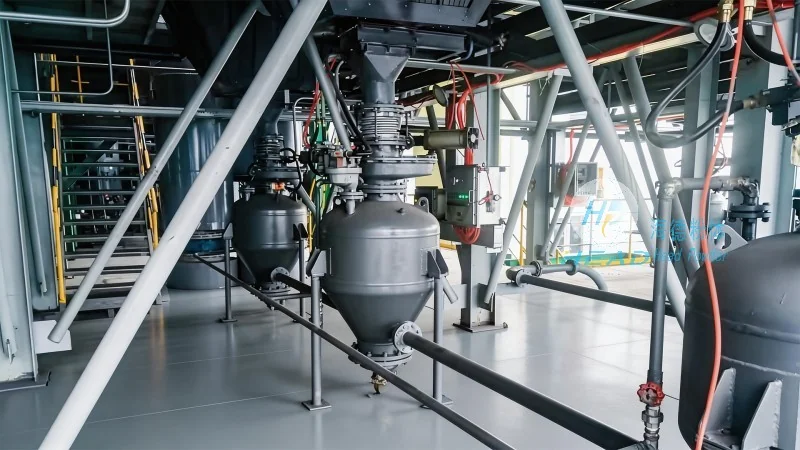
The operation of pneumatic conveying systems for titanium dioxide is based on several core principles that ensure effective material transport. The primary mechanism involves creating a pressure differential between the conveying line and the ambient environment. This is typically achieved through either positive pressure (where air is forced into the system) or negative pressure (where air is drawn out of the system). For titanium dioxide, which is a fine powder with a high density and potential for dust generation, the choice of conveying method—such as dilute phase or dense phase—plays a crucial role in maintaining system efficiency and material integrity.
Key components of a pneumatic conveying system for titanium dioxide include the material feed hopper, the air supply unit (blower or compressor), the conveying line (often made of stainless steel to prevent corrosion), and the discharge equipment. The feed hopper ensures a consistent material flow, while the air supply unit generates the necessary pressure to move the powder. The conveying line's design, including its diameter and length, is optimized to minimize pressure drop and energy consumption. Discharge equipment, such as rotary valves or cyclones, separates the material from the air stream, ensuring clean material delivery to the target location.
Working Scene Characteristics of Titanium Dioxide Pneumatic Conveying
The working scenes for titanium dioxide pneumatic conveying vary based on the application and scale of the operation. In large-scale industrial settings, such as chemical plants or pigment manufacturing facilities, the systems are often designed for continuous, high-volume material transport. These scenarios typically involve long conveying distances, multiple transfer points, and integration with other processing equipment. The characteristics of these working scenes include high throughput rates, precise control over material flow, and the need for robust dust collection systems to comply with environmental regulations.
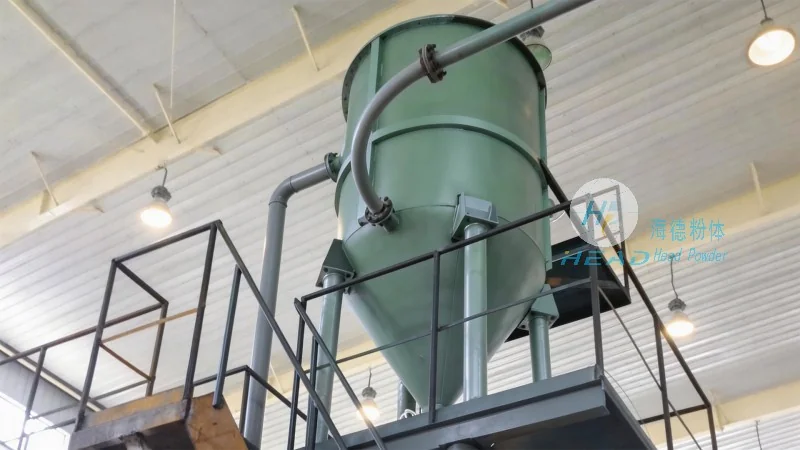
For smaller-scale or batch processing applications, the pneumatic conveying systems may be more compact and flexible. These setups are common in research and development laboratories or small-scale production facilities where the volume of titanium dioxide handled is lower. The working scene characteristics in these cases include shorter conveying distances, simpler system configurations, and a focus on ease of operation and maintenance. Despite the differences in scale, both large and small working scenes share the common goal of ensuring efficient, safe, and reliable material transport while minimizing operational costs.
Advantages and Considerations in Titanium Dioxide Pneumatic Conveying
Pneumatic conveying offers several advantages when handling titanium dioxide. One of the most significant benefits is the ability to transport the fine powder without direct contact with mechanical components, reducing the risk of material degradation or contamination. This is particularly important for titanium dioxide, which is sensitive to moisture and can clump or agglomerate if not handled properly. Additionally, pneumatic systems provide better dust control compared to traditional methods like bucket elevators or belt conveyors, enhancing workplace safety and environmental compliance.
However, there are also considerations to keep in mind when implementing pneumatic conveying for titanium dioxide. The high density and fine particle size of the powder can lead to increased pressure drop in the conveying line, requiring more energy to maintain the system's performance. Proper system design, including the selection of blower capacity and line diameter, is essential to mitigate this issue. Furthermore, the system must be equipped with effective filtration and dust collection to prevent air pollution and protect equipment from wear and tear. Regular maintenance, such as cleaning the conveying line and replacing filters, is crucial to ensure long-term operational efficiency.
Application Examples in Industrial Settings
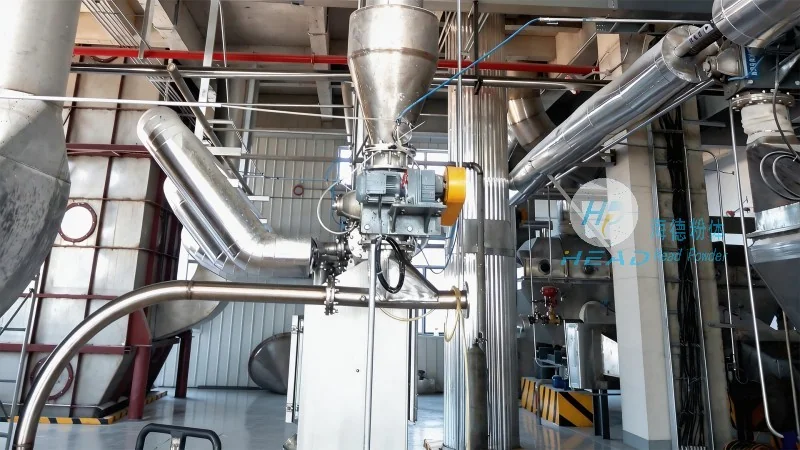
Real-world applications of titanium dioxide pneumatic conveying are widespread across various industries. In the coatings industry, for example, large-scale plants use pneumatic systems to transport titanium dioxide from storage silos to mixing and processing units. The systems are designed to handle high volumes of powder while maintaining consistent quality, ensuring that the final coating products meet strict standards. In the plastics industry, pneumatic conveying is used to deliver titanium dioxide to extrusion lines, where it is mixed with other polymers to create colored or opaque plastic products. The ability to control the flow rate and particle size distribution in these applications is critical for achieving the desired product properties.
In the paper industry, titanium dioxide is used as a filler and pigment to improve the brightness and opacity of paper. Pneumatic conveying systems are employed to transport the powder from storage to the paper-making machines, where it is added to the pulp. The systems must be capable of handling large quantities of fine powder while maintaining a consistent feed rate to avoid disrupting the paper production process. These applications highlight the versatility and effectiveness of pneumatic conveying in handling titanium dioxide in diverse industrial contexts.
Conclusion
Titanium dioxide pneumatic conveying is a sophisticated and efficient technology that addresses the unique challenges of handling fine, high-density powders. By understanding the core principles and working scene characteristics, industries can optimize their material transport processes, improve operational efficiency, and ensure compliance with safety and environmental regulations. As a leading provider in this field, Shandong HeadPowder Engineering Co., Ltd. specializes in designing and implementing customized pneumatic conveying solutions tailored to the specific needs of titanium dioxide applications, ensuring reliable and cost-effective material handling for clients worldwide.