

Principle and Working Scene Characteristics of Riced Flour Pneumatic Conveying Equipment
Riced flour, a fundamental ingredient in numerous culinary traditions, demands efficient and hygienic handling from production to distribution. Pneumatic conveying equipment has become a superior solution for transporting riced flour, offering advantages over conventional methods such as belt conveyors or bucket elevators. This article examines the principles underlying riced flour pneumatic conveying systems and highlights the key characteristics of their operational environments, with insights from Shandong HeadPowder Engineering Co., Ltd., a leading manufacturer based in China.
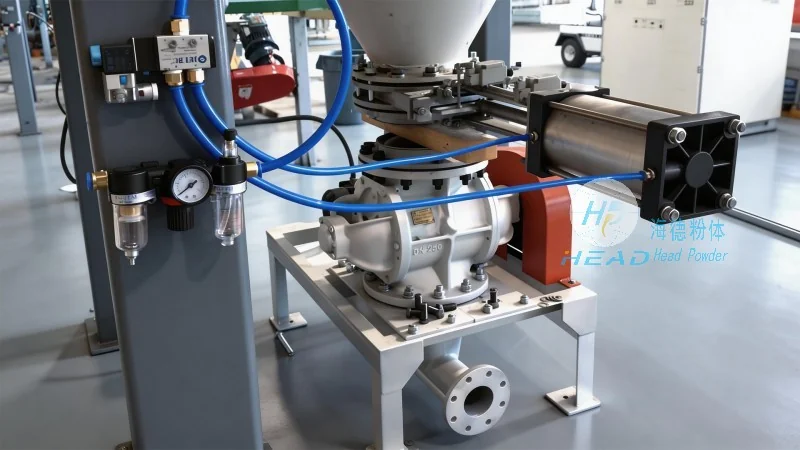
About HeadPowder: Your Trusted Partner in Pneumatic Conveying Solutions
HeadPowder, or Shandong HeadPowder Engineering Co., Ltd., is a reputable company specializing in the design, manufacturing, and supply of pneumatic conveying equipment. With a strong presence in China, particularly in Shandong province, HeadPowder has established a solid reputation for delivering high-quality, reliable systems tailored to the needs of the food processing industry. The company’s commitment to innovation and customer satisfaction ensures that clients receive equipment that meets stringent hygiene standards and operational efficiency requirements.
Riced Flour Pneumatic Conveying Equipment: An Overview
Pneumatic conveying systems for riced flour operate by utilizing air pressure to move the material through a pipeline. These systems are typically classified into two main types: pressure and vacuum. Pressure systems employ compressed air to push the material forward, while vacuum systems use a vacuum to draw the material into the pipeline. For riced flour, which is a fine, dry powder, pressure systems are often preferred due to their ability to handle high volumes and maintain consistent flow rates. The equipment comprises several key components, including a hopper for material storage, a feeder to control the flow rate, a pipeline network, and a receiver for the discharged material. Each component is engineered to work in harmony to ensure smooth and efficient conveying.
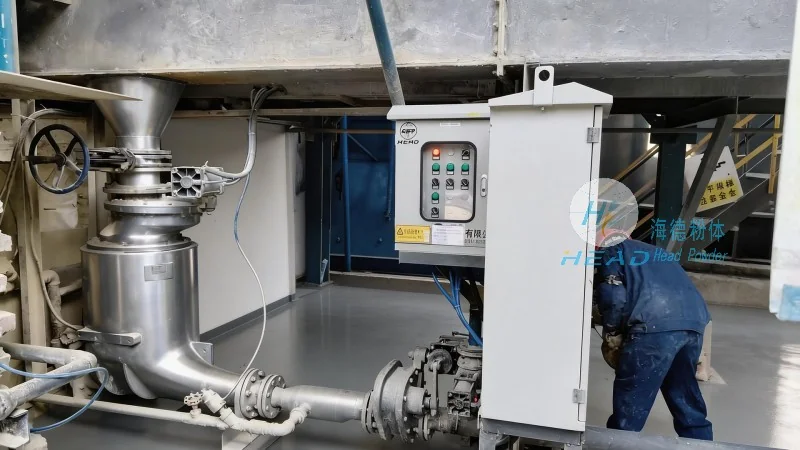
How Pneumatic Conveying Works for Riced Flour
The core principle of pneumatic conveying for riced flour is the use of air to suspend and transport the powder particles. In a pressure system, compressed air is introduced into the hopper, creating a pressure differential that lifts the riced flour and propels it through the pipeline. The air velocity is carefully controlled to ensure that the particles are fully suspended without causing excessive wear on the equipment. The pipeline design, including the use of bends and transitions, is optimized to minimize pressure drop and maintain consistent flow. For vacuum systems, a vacuum pump creates a negative pressure that draws the riced flour from the hopper into the pipeline. The system is equipped with filters and cyclones to separate the air from the flour, ensuring that the material is delivered to the receiver in a clean and dry state.
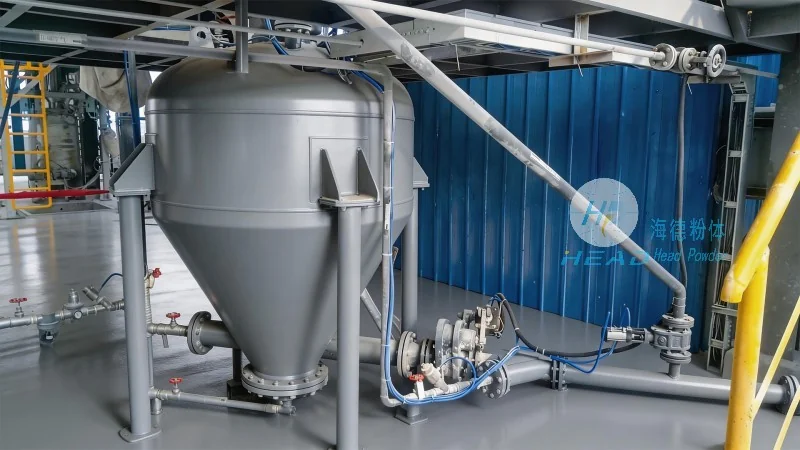
Key Features and Application Scenarios
The working scene characteristics of riced flour pneumatic conveying equipment are defined by several key features that enhance performance and reliability. One of the most significant advantages is the ability to handle fine powders without causing segregation or clumping. The enclosed pipeline system prevents contamination from external sources, which is critical for food-grade applications. Additionally, pneumatic conveying systems are highly flexible, allowing for easy integration into existing production lines and the ability to transport materials over long distances with minimal maintenance. The working environment is typically clean and dust-free, thanks to the sealed design of the equipment. This is particularly important in food processing facilities where hygiene is paramount.
Conclusion: The Benefits of Riced Flour Pneumatic Conveying
For businesses dealing with riced flour, pneumatic conveying equipment offers a superior alternative to traditional handling methods. The principles of air-based transport ensure efficient, hygienic, and reliable movement of the material. The working scene characteristics, including enclosed systems and controlled air flow, contribute to a safer and more efficient production environment. With companies like Shandong HeadPowder Engineering Co., Ltd. providing advanced solutions, the food processing industry can benefit from improved productivity and compliance with industry standards. As the demand for high-quality riced flour products continues to grow, the role of efficient conveying systems becomes increasingly important in maintaining operational excellence.