

Principle and Working Scene Characteristics of Powder Carbon Additive Pneumatic Conveying Equipment
HeadPowder, a leading manufacturer based in Shandong, China, specializes in the design and production of advanced pneumatic conveying systems for powder carbon additives. This equipment is engineered to efficiently transport carbon additive powders, a critical component in various industrial applications such as steelmaking, foundry, and metallurgy. The following sections will explore the fundamental principles of this technology and the specific working scenarios where it excels.
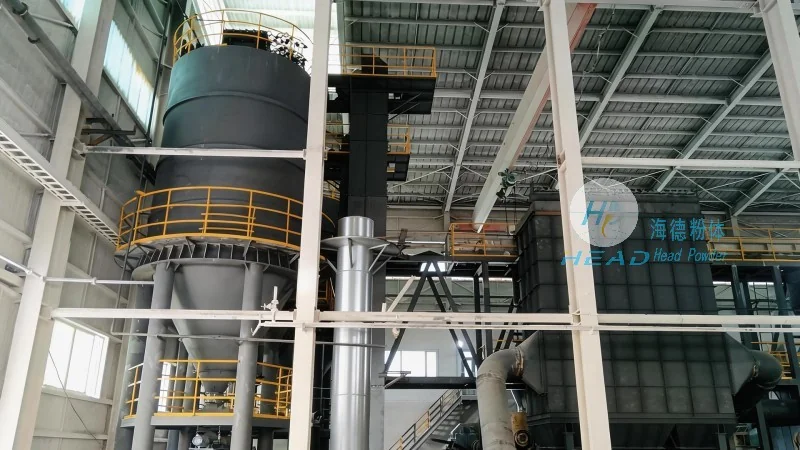
The Working Principle of Pneumatic Conveying Systems
The core principle of pneumatic conveying for carbon additive powders involves the use of compressed air to move the material through a pipeline. In this system, the carbon additive powder is fed into a hopper or feeder, where it is then drawn into the conveying line by the pressure differential created by the air flow. The air, typically supplied by a blower or compressor, carries the powder particles through the pipeline, ensuring a continuous and controlled flow. The system can operate in either positive or negative pressure modes, depending on the application requirements. Positive pressure systems push the material through the line, while negative pressure systems draw it in, with the latter often preferred for dust control and environmental compliance.
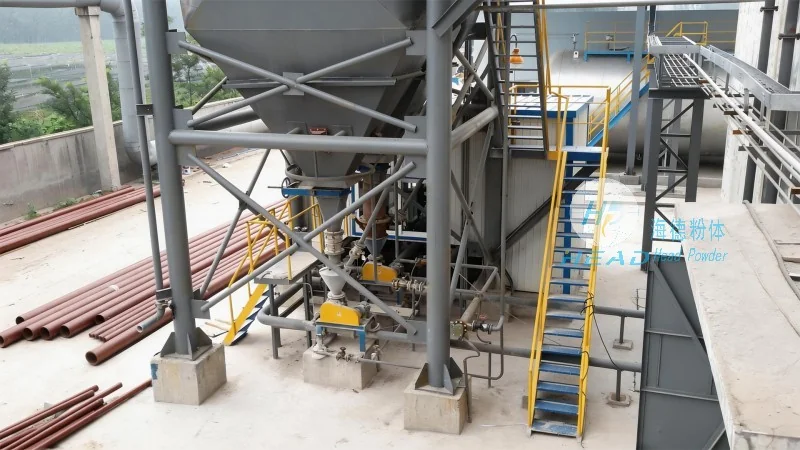
Key Components and Their Functions
Several critical components work together to ensure the efficient operation of the pneumatic conveying equipment. The hopper or feeder is responsible for storing and feeding the carbon additive powder into the system. It is designed to maintain a consistent flow rate, preventing blockages and ensuring smooth material transfer. The air compressor or blower provides the necessary pressure to move the powder through the pipeline. The pipeline itself is typically made of durable materials like stainless steel or plastic, chosen for their resistance to corrosion and wear from the abrasive powder. The receiver or discharge hopper collects the material at the end of the conveying line, where it can be further processed or stored. Additionally, control valves and sensors are integrated to monitor and regulate the system's performance, ensuring optimal operation and preventing issues like overpressure or material buildup.
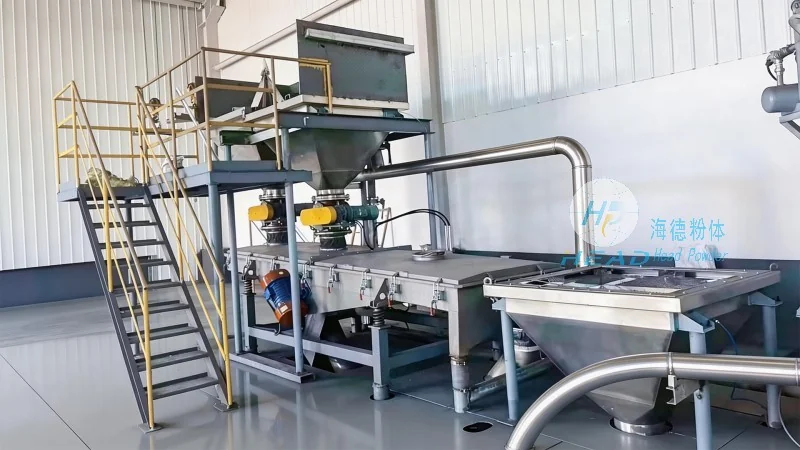
Working Scene Characteristics and Applications
The pneumatic conveying equipment for carbon additive powders is particularly suited for industrial environments where bulk material handling is required. In steelmaking, for example, it is used to transport carbon additives to the blast furnace or electric arc furnace, ensuring precise dosing and consistent quality of the final product. In foundry operations, the equipment efficiently delivers carbon powders to the molding process, improving the mechanical properties of castings. The system's ability to handle fine powders without segregation or degradation makes it ideal for applications where material integrity is paramount. Furthermore, the equipment's compact design and low maintenance requirements make it suitable for both new installations and retrofitting existing production lines.
Advantages and Benefits
Implementing a pneumatic conveying system for carbon additive powders offers several advantages over traditional methods like bucket elevators or belt conveyors. The primary benefit is the reduction in material handling time and labor costs, as the system can operate continuously with minimal human intervention. The equipment also minimizes product contamination and dust exposure, enhancing workplace safety and compliance with environmental regulations. Additionally, the system's flexibility allows for easy integration with existing production lines and the ability to adjust flow rates to meet varying production demands. The low energy consumption compared to other bulk handling methods further contributes to cost savings and operational efficiency.
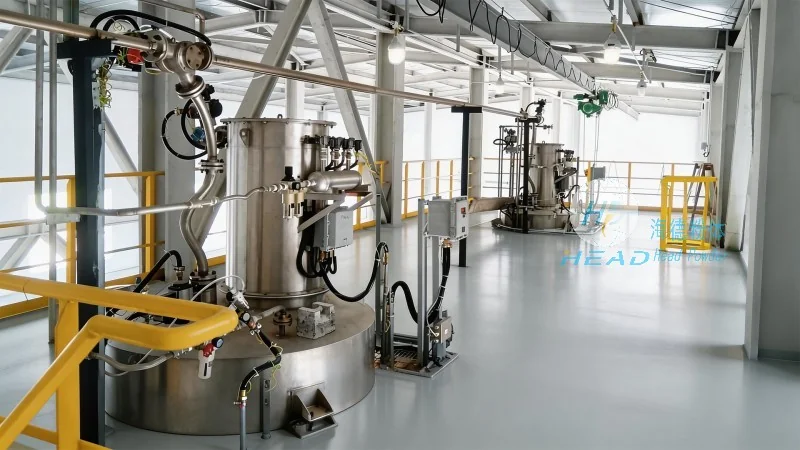
Conclusion
HeadPowder's pneumatic conveying equipment for carbon additive powders represents a reliable and efficient solution for industrial bulk material handling. By leveraging the principles of pneumatic transport, this technology ensures consistent, controlled delivery of carbon additives, supporting high-quality production in steelmaking, foundry, and other metallurgical applications. With its robust design, low maintenance requirements, and environmental benefits, the system is a valuable asset for companies seeking to optimize their material handling processes and improve overall operational efficiency.