

Principle and Working Scene Characteristics of Calcined Limestone Pneumatic Conveying Lines
Calcined limestone, a vital raw material across multiple industrial sectors, demands efficient and reliable transportation solutions to maintain seamless production workflows. The pneumatic conveying line for calcined limestone represents a sophisticated engineering solution that merges advanced technology with practical application. This article explores the fundamental principles of such systems and examines the key characteristics of their operational environments.
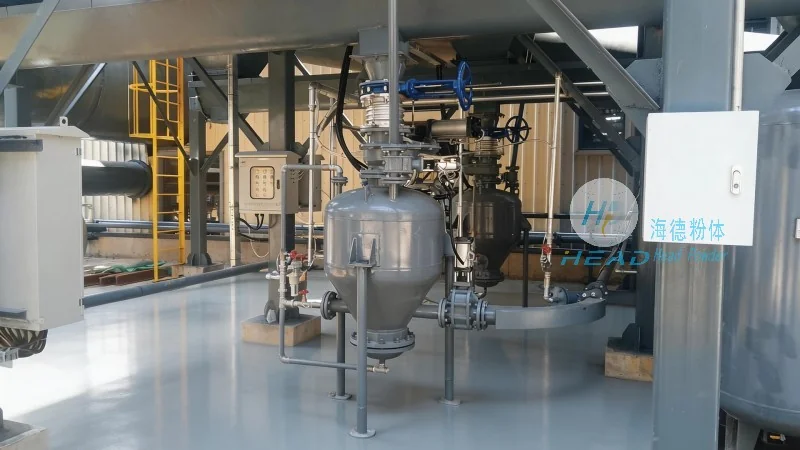
Introduction to Calcined Limestone Pneumatic Conveying Lines
Calcined limestone, also known as quicklime or burnt lime, is produced by heating limestone at elevated temperatures, transforming the mineral into a more reactive form. Its applications span industries including cement manufacturing, steel production, and chemical processing. Traditional transport methods like belt conveyors or bucket elevators often encounter challenges such as material degradation, high energy consumption, and operational inefficiencies. To address these, pneumatic conveying systems have emerged as a preferred alternative, offering flexibility and efficiency. The calcined limestone pneumatic conveying line integrates air compression, material handling, and control systems to transport the material from its source to processing units with minimal loss and maximum efficiency.
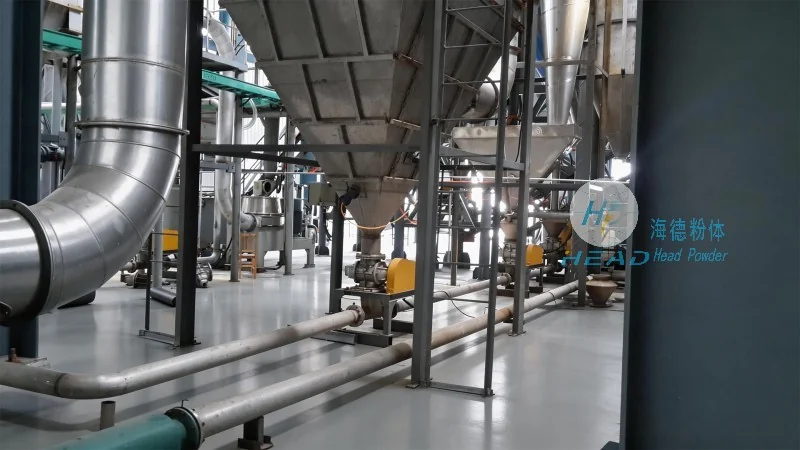
Working Principle of the Pneumatic Conveying System
The core of the calcined limestone pneumatic conveying line is its working principle, which utilizes compressed air to move material through a network of pipes. The system typically includes a blower or air compressor, a hopper for material storage, a feeder to regulate flow, and a series of pipelines with appropriate fittings and valves. The process starts with calcined limestone fed into the hopper. The feeder then releases material into the pipeline, where it is entrained by high-velocity air from the blower. The air-material mixture travels through the pipeline to the destination, where material is separated from air—often via a cyclone separator or filter. The separated material is collected, while air is recirculated or vented as needed. This closed-loop operation minimizes dust emissions and optimizes energy use.
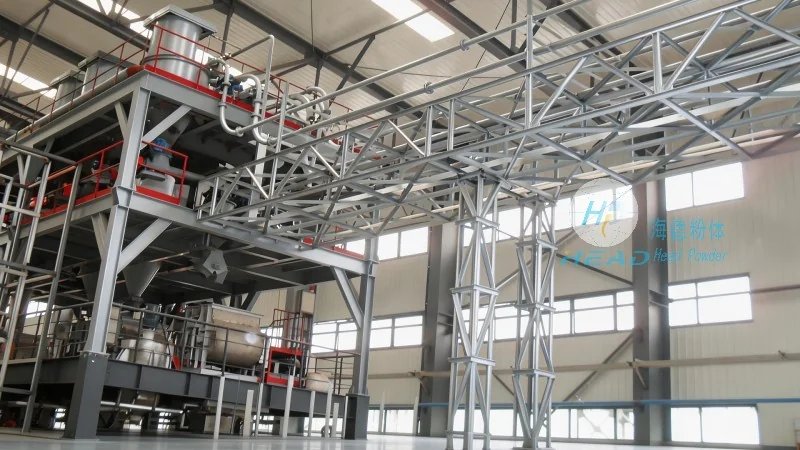
Key Technical Features and Advantages
Several technical features make the calcined limestone pneumatic conveying line an attractive industrial option. Firstly, it offers high material transport efficiency, handling large volumes over long distances with fewer transfer points. The system is highly flexible, with adjustable pipeline layouts to integrate with existing facilities. Another advantage is reduced material degradation and dust generation compared to traditional methods; the enclosed system prevents environmental contact, minimizing caking or clumping risks. Energy efficiency is also a key benefit, as the air compressor can be optimized for low-pressure operation to minimize consumption while maintaining flow rates. Integrated control systems provide real-time monitoring and adjustments, ensuring consistent performance and preventing failures.
Typical Application Scenarios
The calcined limestone pneumatic conveying line is widely used in industrial settings where efficient calcined limestone transport is critical. In cement plants, it transports quicklime from calcination kilns to storage or grinding units, ideal for large-scale production due to its ability to handle high volumes over long distances. In steel mills, it delivers limestone to blast furnaces or storage areas as a flux to control molten steel chemistry. The system is also suitable for chemical processing plants, where calcined limestone is used to produce calcium compounds. In environmental applications like flue gas desulfurization, it transports limestone slurry to scrubbing towers for sulfur dioxide removal. Operational environments vary—from high-temperature cement kilns to controlled chemical plants—but the system is designed for reliable performance under diverse conditions.
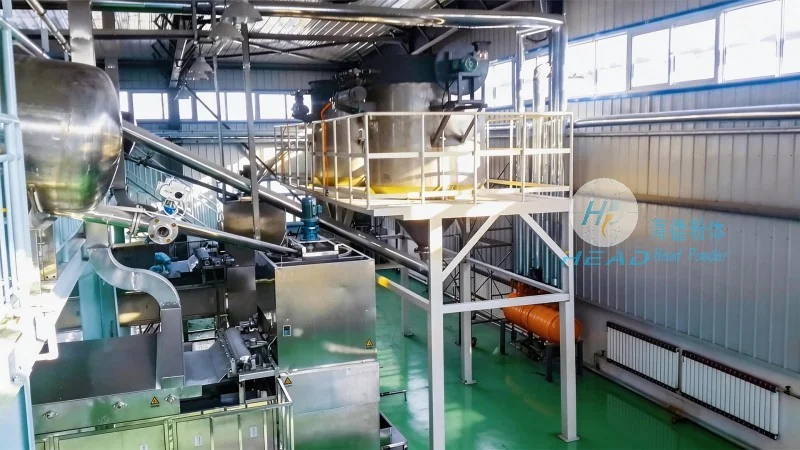
Company Profile: Shandong HeadPowder Engineering Co., Ltd.
Shandong HeadPowder Engineering Co., Ltd., a leading manufacturer of industrial material handling equipment, specializes in designing, manufacturing, and installing pneumatic conveying systems for diverse industries. With a focus on innovation and customer satisfaction, the company has built a reputation for high-quality, reliable solutions tailored to client needs. HeadPowder’s expertise in calcined limestone pneumatic conveying lines stems from years of industry experience and continuous R&D to enhance system performance and efficiency. The company’s facilities are located in Shandong, China, leveraging local resources and expertise to deliver superior products and services. HeadPowder provides comprehensive support, including system design, installation, and after-sales service, ensuring optimal performance. The company’s commitment to quality and customer satisfaction has made it a trusted partner for industrial facilities worldwide.