

Principle and Working Scene Characteristics of Cement Raw Material Pneumatic Conveying Equipment
For industrial applications involving the transport of cement raw materials, efficient and reliable material handling solutions are crucial. The cement industry, known for its high-volume material processing needs, often relies on advanced pneumatic conveying systems to ensure smooth operations. This article explores the fundamental principles behind cement raw material pneumatic conveying equipment, as well as the key characteristics of its working environments, with a focus on the technology provided by Shandong HeadPowder Engineering Co., Ltd., a leading manufacturer in the field.
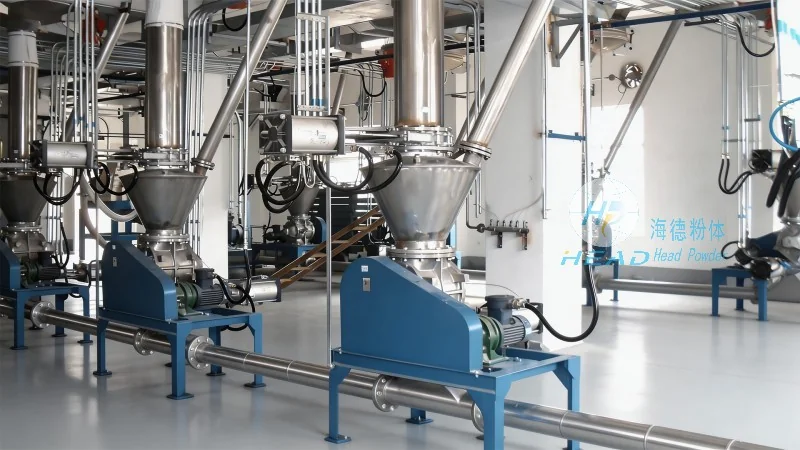
Principle of Pneumatic Conveying for Cement Raw Materials
The core principle of pneumatic conveying systems for cement raw materials is the use of compressed air to transport bulk materials through a pipeline network. In this process, raw materials such as limestone, clay, and other additives are introduced into a hopper or feeder, where they are then drawn into the conveying line by the pressure differential created by the air flow. The air, typically supplied by a blower or compressor, carries the material particles through the pipeline, ensuring a continuous and controlled flow. This method eliminates the need for mechanical components like belts or buckets, reducing maintenance requirements and enhancing operational safety. The design of the system, including the selection of air velocity, pipeline diameter, and material feed rate, is critical to achieving optimal performance and minimizing material degradation. The technology is engineered to handle varying material properties, including different particle sizes and moisture content, ensuring consistent performance under diverse operational conditions.
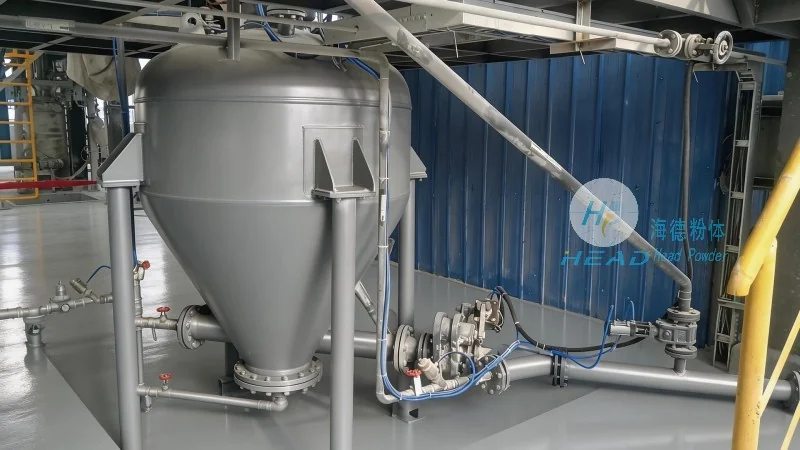
Key Working Scene Characteristics
The working scene characteristics of cement raw material pneumatic conveying equipment are tailored to meet the specific demands of industrial production environments. These systems are commonly deployed in large-scale cement production plants, where they are integrated into the raw material processing line. The equipment operates in a controlled environment, often within enclosed facilities to prevent dust dispersion and maintain air quality standards. The working scene typically includes multiple conveying lines that connect various processing units, such as crushers, classifiers, and storage silos. The system's design allows for flexibility in material routing, enabling the efficient transfer of raw materials between different stages of the production process. Additionally, the equipment is engineered to handle varying material properties, including different particle sizes and moisture content, ensuring consistent performance under diverse operational conditions. The integration with other processing equipment, such as preheaters and raw mills, highlights the system's role in streamlining the entire raw material workflow.
Technical Advantages and Performance Metrics
Shandong HeadPowder Engineering Co., Ltd. specializes in the design and manufacturing of high-quality pneumatic conveying systems for cement raw materials. The company's products are engineered to deliver superior performance, with key advantages including high conveying efficiency, low energy consumption, and minimal material degradation. The systems are built with durable materials, such as stainless steel and corrosion-resistant alloys, to withstand the harsh conditions of cement processing environments. Performance metrics, such as conveying capacity, pressure drop, and material flow rate, are carefully optimized to meet the specific requirements of each client's production line. The company's expertise in material handling technology ensures that their equipment is tailored to the unique needs of the cement industry, providing reliable and cost-effective solutions for material transport. The systems are designed to operate with minimal downtime, enhancing overall plant productivity.
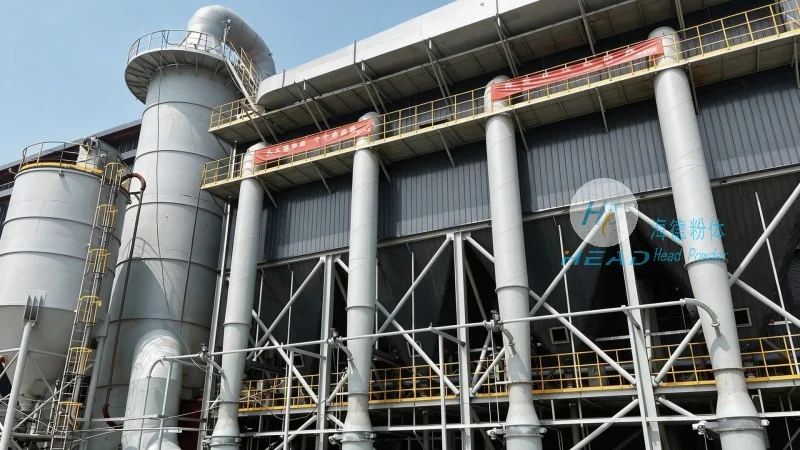
Application Examples and Operational Scenarios
The application of cement raw material pneumatic conveying equipment spans various operational scenarios within the cement production process. For instance, in a typical cement plant, the system may be used to transport limestone from a quarry to the raw mill, where it is ground into fine powder. The conveying line connects the storage silo to the raw mill, ensuring a continuous supply of raw material. Another common scenario involves the transfer of clay and other additives from separate storage areas to the raw mill, where they are blended with limestone to form the raw mix. The equipment's ability to handle different materials simultaneously makes it an ideal solution for multi-material processing. Furthermore, the system can be integrated with other processing equipment, such as classifiers and preheaters, to streamline the entire raw material processing workflow. The operational scenarios highlight the versatility and adaptability of pneumatic conveying systems, making them a preferred choice for modern cement production facilities. The technology supports high-volume production, ensuring that raw materials are delivered to the next stage of processing without interruption.