

Principle and Working Scene Characteristics of Small Bag Unpacking Pneumatic Conveying System Equipm
Small bag unpacking pneumatic conveying systems represent a sophisticated solution in material handling, designed to efficiently transfer bulk materials from sealed bags into processing or storage systems. This technology integrates several key components, including a bag opening mechanism, a pneumatic conveying pipeline, and a material collection unit, all working in tandem to ensure seamless material flow. The system operates by first breaking the seal of the small bag, then using compressed air to create a vacuum or pressure differential that draws the material into the conveying line. This process eliminates the need for manual bag opening and material transfer, significantly enhancing operational efficiency and safety.
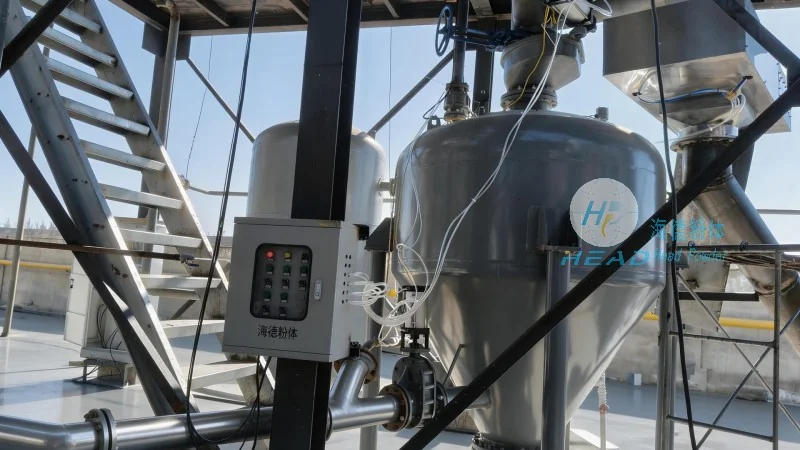
Company Overview: HeadPowder
HeadPowder, or Shandong HeadPowder Engineering Co., Ltd., is a leading manufacturer specializing in engineering solutions for material handling and processing. With headquarters located in Shandong, China, the company has established itself as a trusted provider of pneumatic conveying systems and related equipment. HeadPowder focuses on delivering high-quality, customized solutions that meet the specific needs of industries such as food, pharmaceuticals, chemicals, and manufacturing. The company’s commitment to innovation and precision engineering ensures that its products are reliable, efficient, and compliant with industry standards.
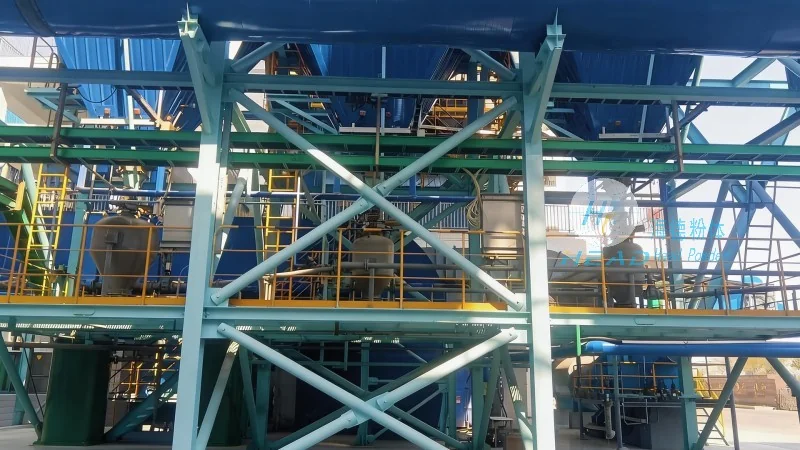
Technical Principle of the Pneumatic Conveying System
The core principle of a small bag unpacking pneumatic conveying system revolves around the use of air as the conveying medium. The system typically consists of a bag opener, which may use mechanical or pneumatic force to rupture the bag's seal, followed by a hopper that collects the material. Compressed air is then introduced into the system, creating a pressure differential that propels the material through the pipeline. The design of the conveying line, including the use of bends, filters, and cyclones, is critical to maintaining material flow and preventing blockages. The system may operate in either positive pressure (pressure conveying) or negative pressure (vacuum conveying) modes, depending on the material characteristics and application requirements. Positive pressure systems are often used for long-distance or high-capacity conveying, while negative pressure systems are suitable for dusty or fine materials, as they minimize dust dispersion.
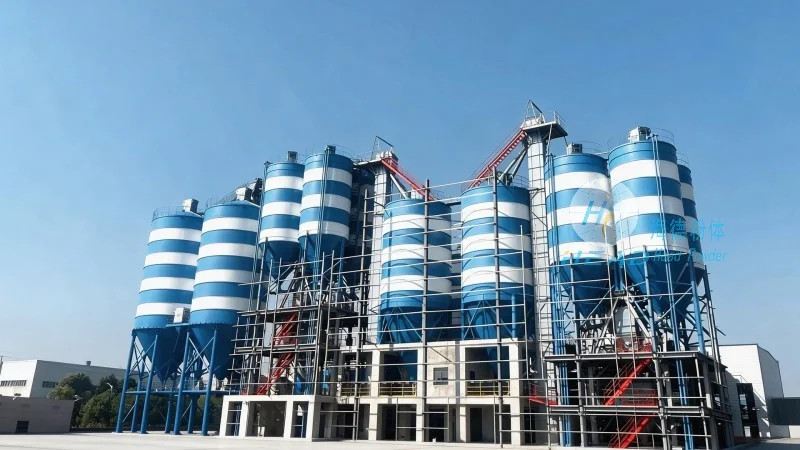
Working Scene Characteristics and Application Scenarios
Small bag unpacking pneumatic conveying systems are widely employed in various industrial settings where bulk materials are packaged in small bags. These systems are particularly advantageous in environments where hygiene, safety, and efficiency are paramount. For instance, in the food and pharmaceutical industries, where contamination control is critical, these systems provide a closed-loop operation that prevents material contact with the environment. In the chemical industry, they are used to handle powders and granules that may be hazardous or reactive, ensuring safe and controlled transfer. Manufacturing facilities also benefit from these systems by reducing labor costs associated with manual bag handling and improving production throughput. The working scene characteristics include high automation, minimal human intervention, and the ability to handle a wide range of materials, from fine powders to coarse granules. The systems are designed to be compact and adaptable, making them suitable for both new installations and retrofitting into existing production lines.
Advantages and Key Features
Implementing a small bag unpacking pneumatic conveying system offers several distinct advantages over traditional material handling methods. One of the primary benefits is the significant reduction in labor costs, as the system automates the entire bag opening and material transfer process. This not only improves operational efficiency but also enhances workplace safety by eliminating the need for workers to handle heavy or potentially hazardous bags. Another key advantage is the improvement in material quality and consistency. By maintaining a closed system, the equipment prevents material contamination and degradation, ensuring that the transferred material meets the required specifications. The systems also offer flexibility in terms of material handling, as they can be configured to handle different bag sizes and types, as well as various material properties. Additionally, the compact design of these systems allows for easy integration into existing production layouts, minimizing the need for extensive facility modifications.
Conclusion
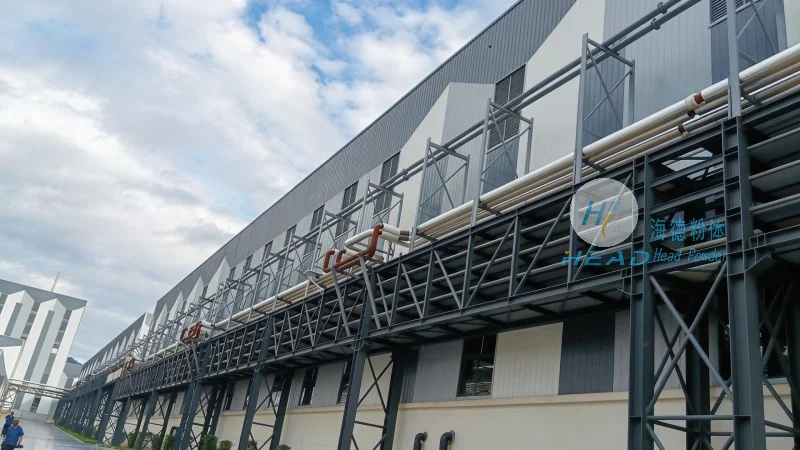
In conclusion, small bag unpacking pneumatic conveying systems represent a highly effective and efficient solution for material handling in various industrial applications. By leveraging the principles of pneumatic transport and advanced engineering, these systems provide a reliable method for transferring bulk materials from sealed bags. HeadPowder, with its expertise and commitment to quality, continues to be a key player in delivering such innovative solutions to industries worldwide. The integration of automation, safety features, and adaptability makes these systems a valuable asset for any operation seeking to enhance productivity and maintain high standards of material handling.