

Principles and Working Scene Characteristics of Flour Pneumatic Conveying System Equipment
For companies in the flour processing industry, efficient and reliable material handling is crucial to maintaining production efficiency and product quality. The flour pneumatic conveying system, as a key equipment in modern flour mills, plays a vital role in transporting flour and other powders. This article will delve into the principles of flour pneumatic conveying systems and explore the characteristics of their working scenarios, providing a comprehensive understanding of this technology.
Company Profile: Shandong HeadPowder Engineering Co., Ltd.
HeadPowder, as a professional manufacturer of pneumatic conveying equipment, has been committed to providing high-quality flour handling solutions. With years of experience in the industry, the company specializes in designing and manufacturing customized pneumatic conveying systems tailored to the specific needs of flour processing plants. HeadPowder's products are widely recognized for their durability, energy efficiency, and ease of maintenance, helping clients optimize their production processes and reduce operational costs.
The Working Principle of Flour Pneumatic Conveying Systems
The core of a flour pneumatic conveying system lies in its ability to transport powders using air as the medium. The system typically operates based on two main principles: positive pressure and negative pressure. In positive pressure systems, compressed air is used to push the flour through a network of pipes, while negative pressure systems create a vacuum to draw the material into the conveying line. Both methods rely on the principle of fluidization, where the air flow creates a suspension of the powder particles, allowing them to be transported smoothly through the system.
Key Components and Their Functions
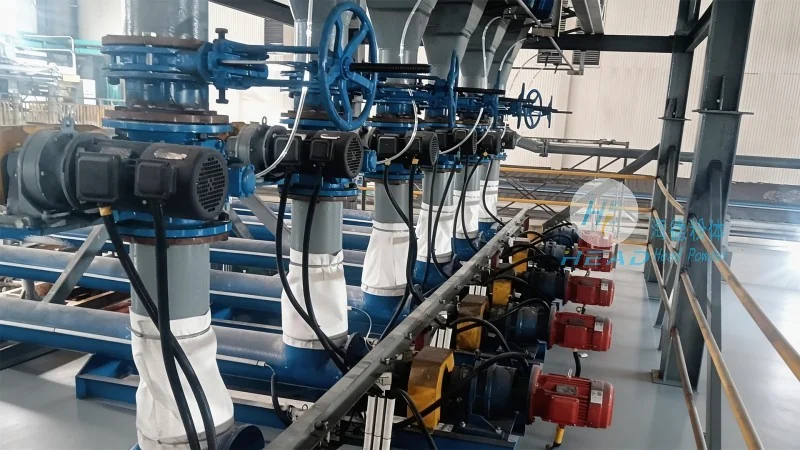
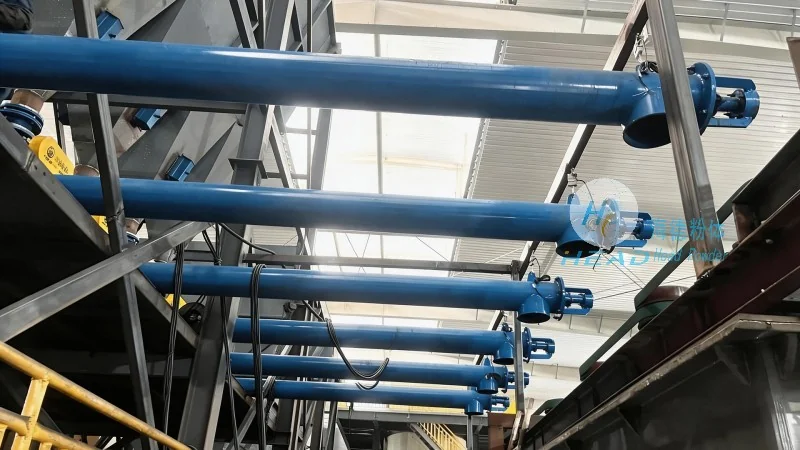
A typical flour pneumatic conveying system consists of several key components, each playing a critical role in the overall operation. These include the hopper (for material storage and feeding), the air compressor or vacuum pump (to generate the necessary air pressure or vacuum), the conveying pipes (to transport the flour), the rotary valves (to control the flow of material), and the dust collection system (to ensure environmental compliance and product purity). The design and integration of these components are crucial for the system's efficiency and reliability.
Working Scene Characteristics: Application in Flour Processing
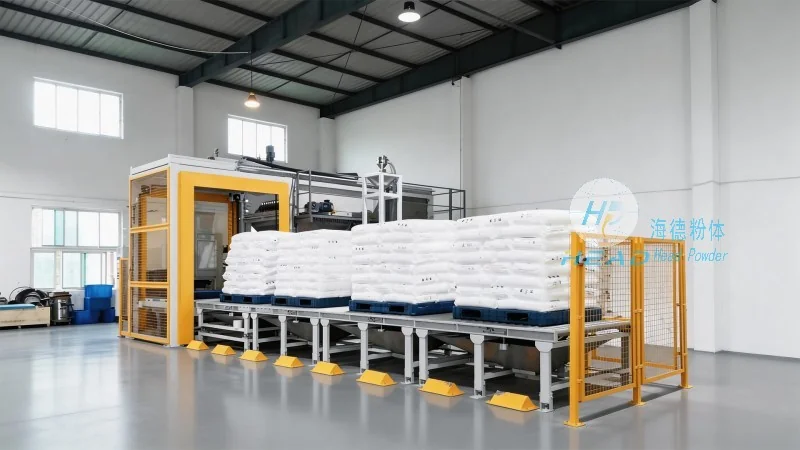
The flour pneumatic conveying system is widely applied in various working scenarios within flour mills. For instance, in large-scale flour production lines, the system is used to transport raw wheat from storage silos to the milling machines, and then to the packaging area. In warehouse operations, it facilitates the loading and unloading of flour bags from trucks and storage bins, improving operational efficiency and reducing manual labor. Additionally, the system is often integrated into automated production lines, connecting different processing stages such as cleaning, grinding, and sifting, ensuring a seamless flow of materials.
Advantages of Flour Pneumatic Conveying Systems
Compared to traditional mechanical conveying methods, flour pneumatic conveying systems offer several advantages. Firstly, they are highly efficient in terms of speed and distance, capable of transporting materials over long distances with minimal loss. Secondly, the system is gentle on the material, preventing damage to the flour particles and maintaining product quality. Thirdly, it is flexible and can be easily adjusted to accommodate changes in production volume or process requirements. Furthermore, the enclosed system design helps to control dust and prevent contamination, ensuring a clean and safe working environment.
Customization and Maintenance Considerations
HeadPowder understands that each flour mill has unique operational requirements. Therefore, the company offers customized solutions to meet specific needs, such as different pipe diameters, material handling capacities, and control systems. Regular maintenance is essential to ensure the long-term performance of the system. HeadPowder provides comprehensive maintenance services, including regular inspections, component replacement, and technical support, to help clients keep their equipment in optimal condition and minimize downtime.