

Principles and Working Scene Characteristics of Additive Powder Handling Equipment
HeadPowder, a leading manufacturer based in Shandong, China, specializes in the design and production of advanced additive powder handling equipment. This equipment is crucial for efficiently transporting and managing various types of powdered additives in industrial applications. The following sections will explore the fundamental principles behind these systems and highlight their key working scene characteristics.
The Working Principle of Additive Powder Handling Equipment
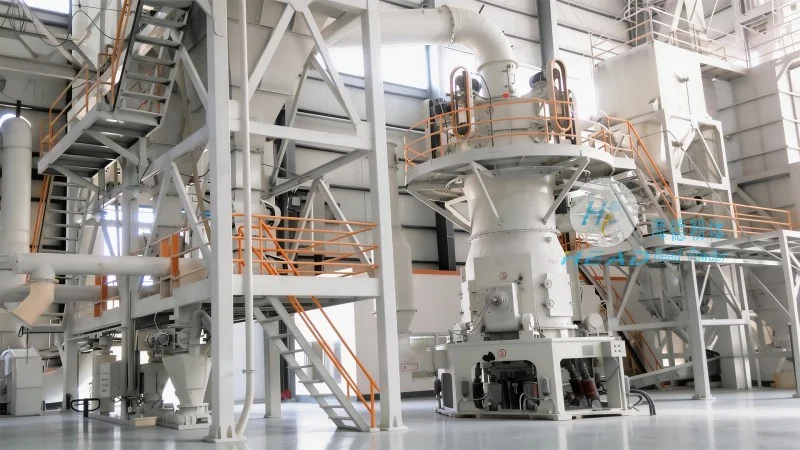
The core of additive powder handling equipment lies in its ability to transport bulk powders through a closed system, ensuring minimal dust generation and product contamination. These systems typically utilize positive pressure or negative pressure to move powders from a storage silo or hopper to the processing point. The equipment often includes components such as feeders, conveyors, and control valves that work in tandem to maintain consistent flow rates and prevent blockages. By using airtight and sealed mechanisms, the system maintains the integrity of the powder, which is vital for applications where purity and consistency are paramount. The design also incorporates safety features to prevent over-pressurization and ensure smooth operation under varying load conditions.
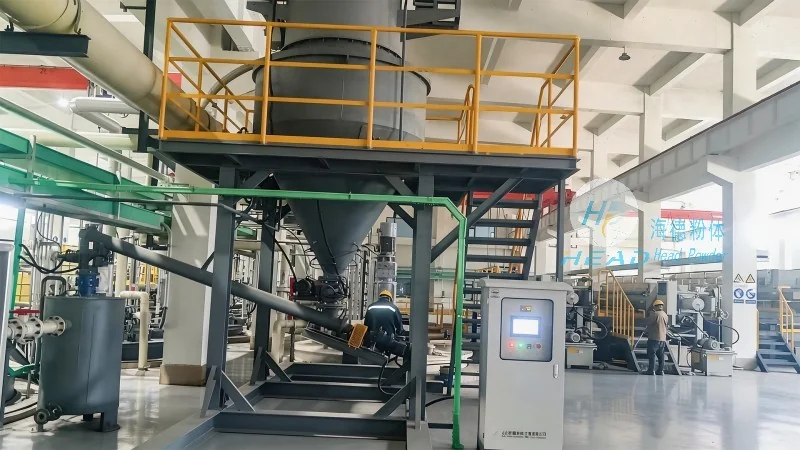
The working principle of additive powder handling equipment involves a combination of mechanical and pneumatic components that work together to achieve efficient powder transfer. The system typically starts with a hopper or silo where the powder is stored. A feeder, such as a rotary valve or a screw feeder, regulates the flow of powder into the conveyor system. The conveyor, often a pneumatic tube or a screw conveyor, uses air pressure to move the powder through the system. Control valves and sensors are integrated to monitor and adjust the flow rate, ensuring that the powder is transported smoothly and without blockages. The system's design also includes filtration and cleaning mechanisms to maintain air quality and prevent dust accumulation, which is crucial for maintaining a safe and healthy working environment.
Key Working Scene Characteristics
1. **Versatility in Powder Types**: The equipment is engineered to handle a wide range of powdered additives, including chemicals, food ingredients, and pharmaceuticals. Its adaptability allows it to be integrated into diverse industrial processes, from manufacturing to packaging. The system's flexibility ensures that different particle sizes and densities can be managed efficiently without compromising performance. For instance, in the chemical industry, the equipment can handle abrasive powders like calcium carbonate, while in the food industry, it can transport sensitive ingredients like sugar or flour without degradation. This versatility makes the system a valuable asset for businesses operating in multiple sectors.
2. **Efficient and Clean Transfer**: One of the primary advantages of these systems is their ability to transfer powders in a clean and controlled manner. The enclosed design minimizes dust exposure, which is essential for maintaining a safe working environment and preventing product contamination. This feature is particularly important in industries where hygiene and regulatory compliance are critical, such as food and pharmaceutical manufacturing. The system's airtight seals and filtration systems ensure that no powder escapes into the environment, reducing the risk of inhalation hazards and product spoilage. Additionally, the clean transfer capability helps maintain the quality of the final product, as it prevents cross-contamination between different batches of powder.
3. **Reliability and Durability**: Built with high-quality materials, the equipment is designed to withstand the rigors of continuous operation in demanding industrial settings. Its robust construction ensures long-term reliability, reducing downtime and maintenance costs. The system's ability to handle high volumes of powder while maintaining consistent performance makes it a preferred choice for large-scale production facilities. For example, in a pharmaceutical plant, the equipment can operate 24/7 without interruption, ensuring that production schedules are met. The company's use of corrosion-resistant materials and wear-resistant components further enhances the equipment's lifespan, making it a cost-effective solution for businesses in the long run.
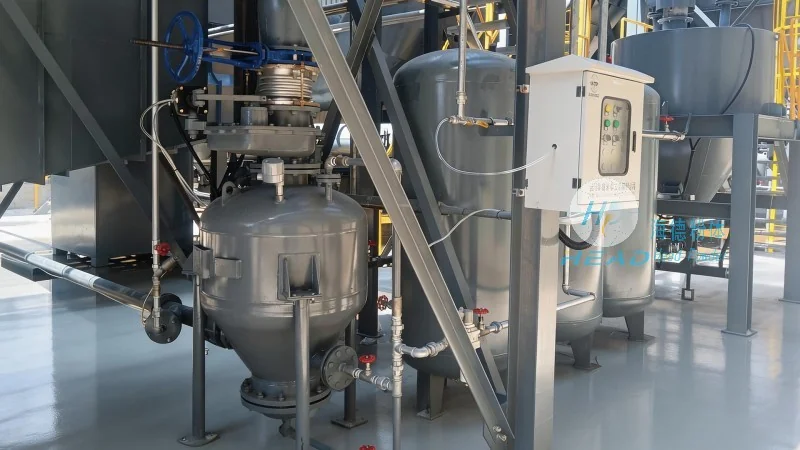
4. **Customization and Integration**: HeadPowder offers customized solutions tailored to specific customer needs. The equipment can be integrated with existing production lines or designed as a standalone system, depending on the application requirements. This flexibility allows businesses to optimize their workflow and enhance overall operational efficiency. The company's expertise in engineering ensures that each solution is optimized for the unique challenges of the working environment. For instance, a client in the food industry might require a system with stainless steel components to meet hygiene standards, while a client in the chemical industry might need a system with explosion-proof features to handle hazardous powders. HeadPowder's ability to customize the equipment according to these specific needs sets it apart from other manufacturers.
About HeadPowder Engineering
HeadPowder Engineering Co., Ltd., headquartered in Shandong, China, is a reputable manufacturer specializing in the development and production of advanced powder handling equipment. With a strong commitment to quality and innovation, the company has established itself as a trusted partner in the industry. The company's products are designed to meet the highest standards of performance, safety, and reliability, catering to the diverse needs of global clients. By leveraging advanced technology and a deep understanding of industrial processes, HeadPowder delivers solutions that enhance operational efficiency and ensure product integrity.