

Operation Process and Working Principle of Bauxite Pneumatic Conveying System Equipment
Shandong HeadPowder Engineering Co., Ltd., a professional manufacturer based in Shandong, China, specializes in the design, production, and installation of bauxite pneumatic conveying systems. The company, commonly known as HeadPowder, provides comprehensive solutions for efficient material handling in various industrial applications.
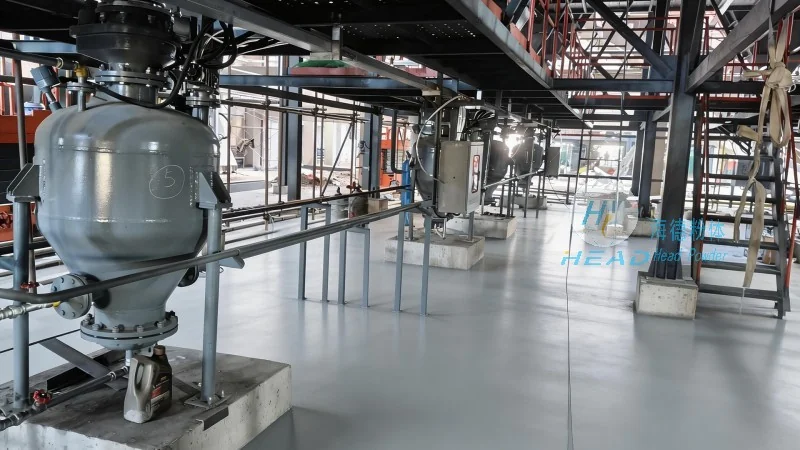
Overview of Bauxite Pneumatic Conveying System Equipment
Bauxite pneumatic conveying systems are advanced industrial equipment designed to transport bauxite, a key raw material for aluminum production, from storage to processing facilities. These systems utilize air as the conveying medium, enabling the safe and efficient movement of bulk materials without the need for mechanical components like belts or buckets. The equipment typically includes components such as a hopper, feeder, air compressor, pipeline network, and receiver, all working in tandem to ensure smooth material flow.
Operation Process of Bauxite Pneumatic Conveying Systems
The operation process of a bauxite pneumatic conveying system involves several key steps. Initially, bauxite is stored in a hopper, where it is fed into the system via a feeder. The feeder regulates the flow rate of the material into the pipeline. Simultaneously, an air compressor generates high-pressure air, which is introduced into the pipeline. The air and bauxite particles are mixed, creating a slurry-like mixture that travels through the pipeline under pressure. The mixture reaches the receiver, where the air is separated from the bauxite, and the material is discharged into the next processing stage. The system continuously cycles through these steps, maintaining a steady flow of material from the source to the destination.
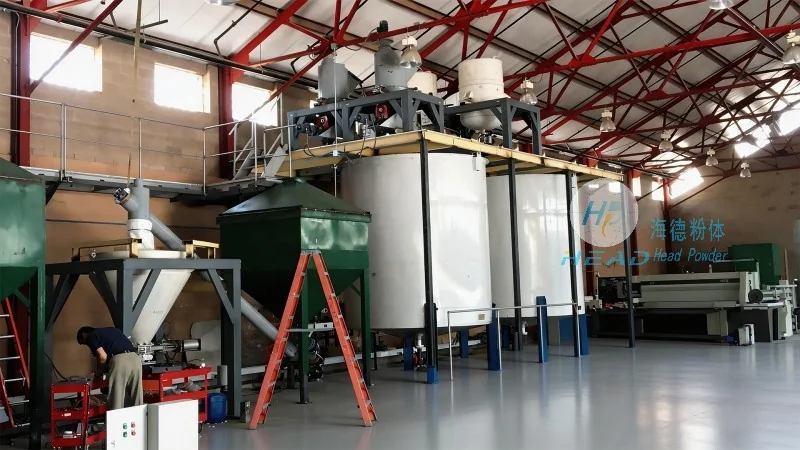
Working Principle of Bauxite Pneumatic Conveying Systems
The working principle of bauxite pneumatic conveying systems is based on the fundamental concept of pneumatic transport, which relies on the momentum and pressure of air to move solid particles. In the system, the air compressor supplies compressed air to the pipeline, creating a pressure differential between the hopper and the receiver. As the air flows through the pipeline, it draws bauxite particles from the hopper and carries them along. The velocity of the air is critical; it must be sufficient to overcome the gravitational force acting on the particles and maintain their suspension in the air stream. The system uses either positive pressure or negative pressure (or a combination of both) to achieve the desired conveying effect. Positive pressure systems push the material through the pipeline, while negative pressure systems pull it, depending on the specific application requirements.
Key Components and Their Functions
Several critical components contribute to the effective operation of bauxite pneumatic conveying systems. The hopper serves as the storage and feeding unit, holding the bauxite and providing a controlled discharge point. The feeder, often a rotary valve or a screw feeder, regulates the material flow rate to match the system's capacity. The air compressor is the heart of the system, generating the necessary pressure and volume of air to transport the material. The pipeline network, made of durable materials like stainless steel or plastic, conveys the air and material mixture. The receiver, equipped with a dust collection system, separates the air from the bauxite and collects the material for further processing. Each component is designed to withstand the abrasive nature of bauxite and the high-pressure air, ensuring long-term reliability and minimal maintenance.
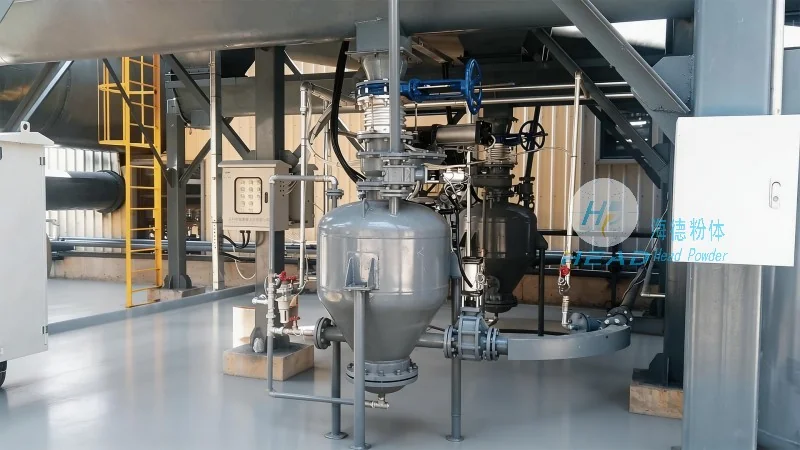
Advantages of Bauxite Pneumatic Conveying Systems
Bauxite pneumatic conveying systems offer several advantages over traditional mechanical conveying methods. Firstly, they eliminate the need for moving parts like belts or buckets, reducing maintenance costs and increasing operational reliability. Secondly, the system is highly flexible, allowing for changes in material flow direction or destination without major modifications. Thirdly, it provides a dust-free and enclosed environment, improving workplace safety and reducing environmental pollution. Additionally, the system can handle a wide range of bauxite particle sizes and moisture content, making it suitable for various industrial applications. The energy efficiency of pneumatic conveying, especially when using optimized air flow rates, also contributes to lower operational costs.
Applications and Industries
Bauxite pneumatic conveying systems are widely used in the aluminum industry, where bauxite is the primary raw material for alumina production. The systems are also applicable in other industries that require the transport of bulk materials, such as mining, chemical processing, and food processing. In mining operations, the systems help transport bauxite from mines to processing plants, while in chemical plants, they facilitate the handling of bauxite in alumina production lines. The versatility of the system makes it suitable for various industrial settings, ensuring efficient material handling and process continuity.
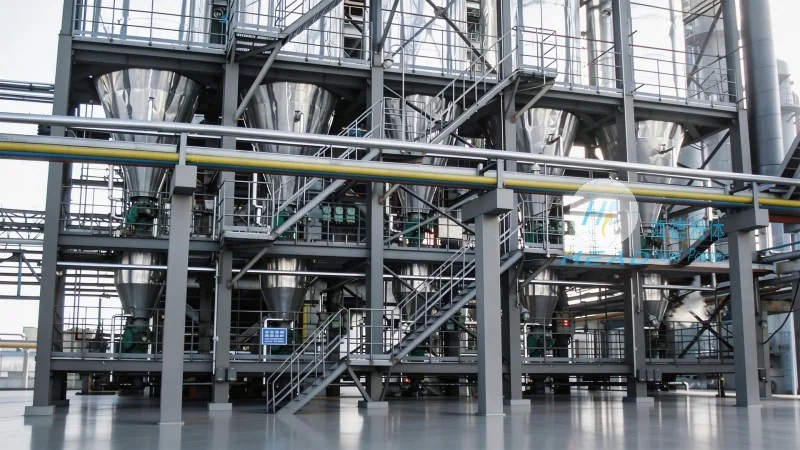
Maintenance and Operational Considerations
Proper maintenance is essential to ensure the long-term performance and reliability of bauxite pneumatic conveying systems. Regular inspection of components such as the hopper, feeder, and pipeline is necessary to detect any signs of wear or damage. The air compressor should be checked for proper pressure and air quality, as contaminants can affect the system's efficiency. The receiver's dust collection system must be maintained to prevent clogging and ensure effective material separation. Operational considerations include monitoring the flow rate and pressure of the system, as variations can indicate issues with the material or equipment. By adhering to a regular maintenance schedule and following operational guidelines, the system can operate efficiently and minimize downtime.
Conclusion
Bauxite pneumatic conveying systems are advanced industrial equipment that provide efficient and reliable transport of bauxite in various applications. Developed and manufactured by Shandong HeadPowder Engineering Co., Ltd., these systems utilize pneumatic principles to move bulk materials, offering advantages such as reduced maintenance, flexibility, and improved safety. With proper operation and maintenance, bauxite pneumatic conveying systems can enhance productivity and ensure smooth material handling in industrial processes.