

Operation Process and Working Principle of Lysine Pneumatic Conveying System Equipment
Shandong HeadPowder Engineering Co., Ltd., a professional manufacturer based in China, specializes in the design, production, and supply of advanced pneumatic conveying systems tailored for the lysine industry. The company, commonly known as HeadPowder, has established itself as a reliable partner for clients seeking efficient and reliable solutions for material handling in the amino acid sector. With a strong presence in Shandong, China, HeadPowder leverages its expertise to deliver high-quality equipment that meets the stringent demands of modern industrial applications.
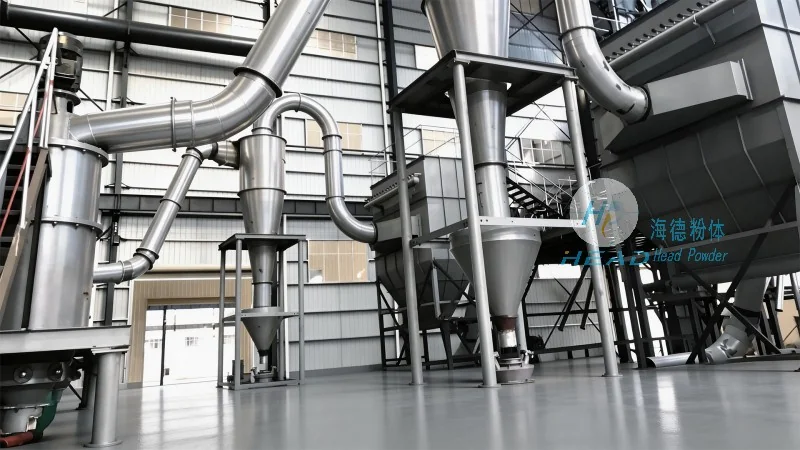
Overview of Lysine Pneumatic Conveying Systems
Lysine is a critical amino acid widely used in animal feed and pharmaceutical industries, and its efficient handling requires specialized equipment to ensure safety, hygiene, and operational efficiency. The lysine pneumatic conveying system is a key component in the production and processing chain, enabling the transport of lysine powder from storage to processing units or packaging areas without the need for manual intervention. This system combines the principles of pneumatic transport with advanced engineering to achieve seamless material movement while maintaining product integrity.
Key Components of the Lysine Pneumatic Conveying System
The lysine pneumatic conveying system typically consists of several core components that work in tandem to facilitate the transport process. These include a hopper for material storage, a feeder to control the flow rate, a conveying line (often equipped with pressure vessels or vacuum systems), and a receiver for the discharged material. Each component is designed to handle the specific characteristics of lysine powder, such as its fine particle size and hygroscopic nature, ensuring minimal product degradation during transport.
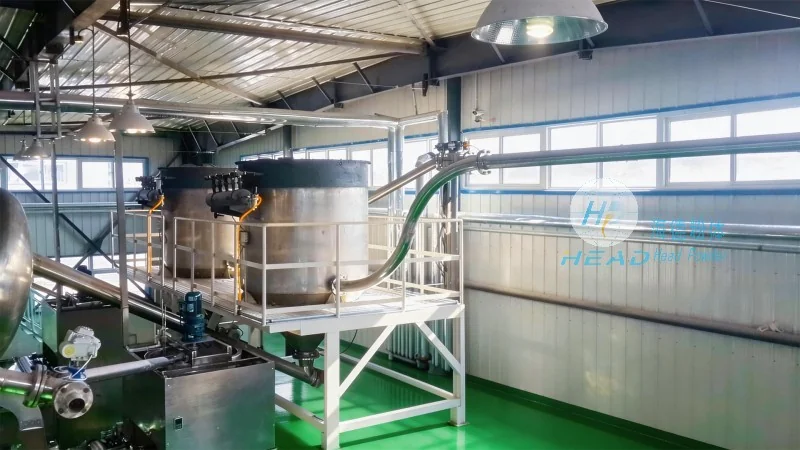
Operation Process of the Lysine Pneumatic Conveying System
The operation of the lysine pneumatic conveying system follows a systematic sequence that ensures consistent and reliable material transfer. The process begins with the loading of lysine powder into the hopper. The feeder then regulates the discharge rate, feeding the material into the conveying line at a controlled speed. Depending on the system configuration, either positive pressure (air or gas) or negative pressure (vacuum) is applied to move the material through the pipeline. The conveying line may include features like cyclones or filters to separate any entrained air or fine particles, maintaining the purity of the lysine product. The material is then discharged into the receiver, where it is collected for further processing or packaging. This continuous operation allows for high throughput and minimal downtime, making it an ideal solution for large-scale lysine production facilities.
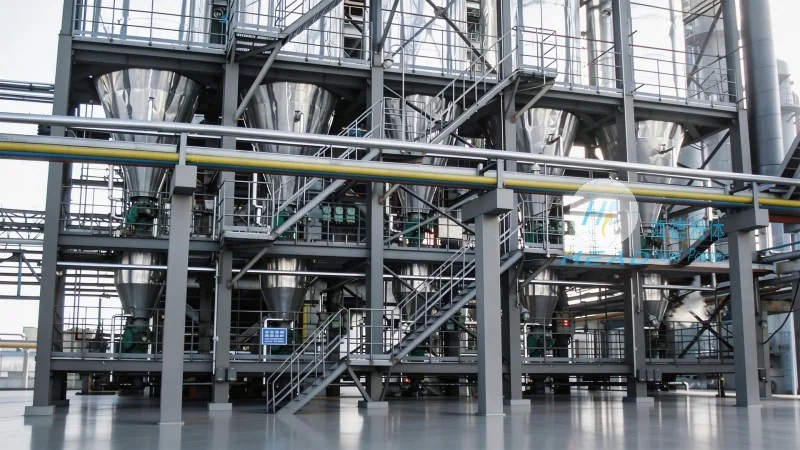
Working Principle of the Lysine Pneumatic Conveying System
The working principle of the lysine pneumatic conveying system is based on the fundamental concept of pneumatic transport, which utilizes air or gas to move particulate materials through a pipeline. In a positive pressure system, compressed air is introduced into the hopper, creating a pressure differential that propels the lysine powder into the conveying line. The air and material mixture travels through the pipeline, with the air providing the necessary force to overcome friction and gravity. The system may incorporate pulse jets or rotary valves to control the flow and prevent blockages. In a negative pressure system, a vacuum is created at the receiver end, drawing the material and air mixture through the pipeline. Both systems are designed to maintain the flow of lysine powder efficiently while minimizing the risk of product degradation due to exposure to air or moisture.
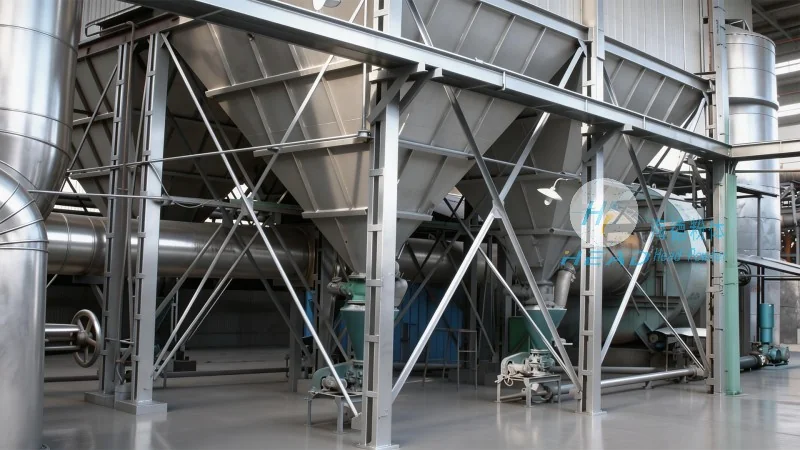
Advantages of the Lysine Pneumatic Conveying System
The lysine pneumatic conveying system offers several advantages over traditional mechanical conveying methods. Firstly, it eliminates the need for moving parts in contact with the material, reducing the risk of contamination and product degradation. The enclosed system also prevents dust emissions, ensuring compliance with environmental regulations and maintaining a clean working environment. Additionally, the system allows for precise control over material flow rates, enabling better process management and reducing waste. The high throughput capabilities of the system make it suitable for large-scale production, while the flexibility in system design allows for adaptation to different plant layouts and operational requirements.
Application and Industry Impact
The lysine pneumatic conveying system is widely used in the amino acid manufacturing industry, particularly in facilities that produce lysine for animal feed and pharmaceutical applications. By providing a reliable and efficient means of material handling, the system contributes to increased productivity and reduced operational costs. The system's ability to maintain product quality and hygiene is crucial in industries where contamination can have significant consequences. HeadPowder's expertise in designing and manufacturing these systems ensures that clients receive solutions tailored to their specific needs, enhancing their operational efficiency and competitiveness in the market.