

Operation Process and Working Principle of Barley Malt Powder Pneumatic Conveying Equipment
Barley malt powder pneumatic conveying equipment is a specialized system designed to transport barley malt powder efficiently and safely. This equipment is widely used in the food and beverage industry, particularly in breweries and malt processing facilities, where the reliable handling of malt powder is crucial for maintaining product quality and operational efficiency. The system combines advanced engineering with pneumatic technology to ensure that barley malt powder is moved from storage silos or processing areas to production lines without the need for mechanical components that could cause contamination or degradation.
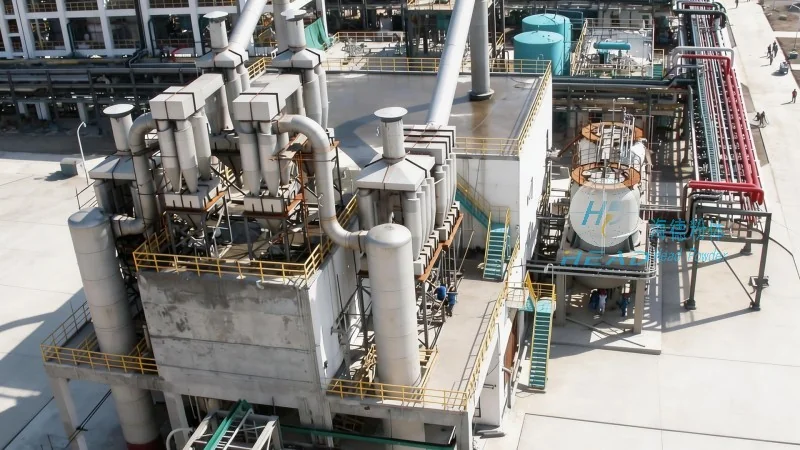
Overview of Barley Malt Powder Pneumatic Conveying Equipment
HeadPowder, a leading manufacturer in the field, offers high-quality pneumatic conveying systems tailored for barley malt powder applications. The equipment is engineered to handle the unique characteristics of barley malt powder, such as its fine particle size, moisture content, and potential for dust generation. By utilizing a combination of positive and negative pressure systems, the conveyor ensures consistent and controlled flow of the powder, minimizing the risk of clogging or blockages that can occur with traditional mechanical conveyors.
Key Components of the Pneumatic Conveying System
The pneumatic conveying system for barley malt powder typically consists of several key components that work in tandem to achieve efficient material transport. These components include a hopper or feeder for storing and metering the powder, a conveyor line (either a pipeline or a flexible hose), a blower or air compressor to generate the necessary airflow, and a receiver or discharge hopper where the powder is deposited. Each component is designed to withstand the specific demands of barley malt powder, ensuring durability and long-term performance.
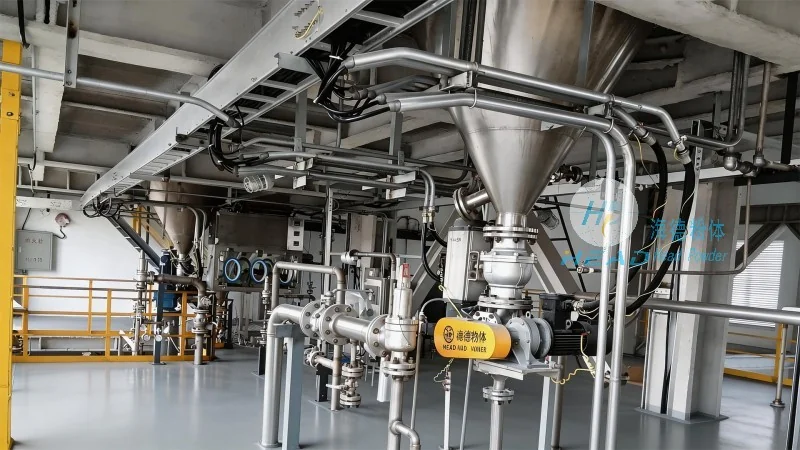
The Operation Process of Barley Malt Powder Pneumatic Conveying
The operation process of the barley malt powder pneumatic conveying equipment begins with the loading of the powder into the hopper. The feeder then meters the powder into the conveyor line at a controlled rate, ensuring a consistent flow. The blower or air compressor generates a stream of air that is directed into the conveyor line, creating a pressure differential that propels the powder particles forward. As the powder travels through the pipeline, it is suspended in the air stream, allowing it to be transported over long distances without the need for intermediate transfer points. Upon reaching the discharge point, the air and powder mixture is separated, with the powder collected in the receiver and the air either recirculated or vented to the atmosphere.
Working Principle of the Pneumatic Conveying System
The working principle of the barley malt powder pneumatic conveying system is based on the fundamental concept of fluidization and suspension of solid particles in a gas stream. When the air is introduced into the conveyor line at a sufficient velocity, it creates a turbulent flow that lifts the powder particles and keeps them suspended. This suspension prevents the powder from settling or clogging the pipeline, as the particles are continuously moved by the air flow. The pressure differential between the inlet and outlet of the system provides the driving force for the material transport, with the blower or compressor maintaining the required airflow rate to ensure optimal conveying performance.
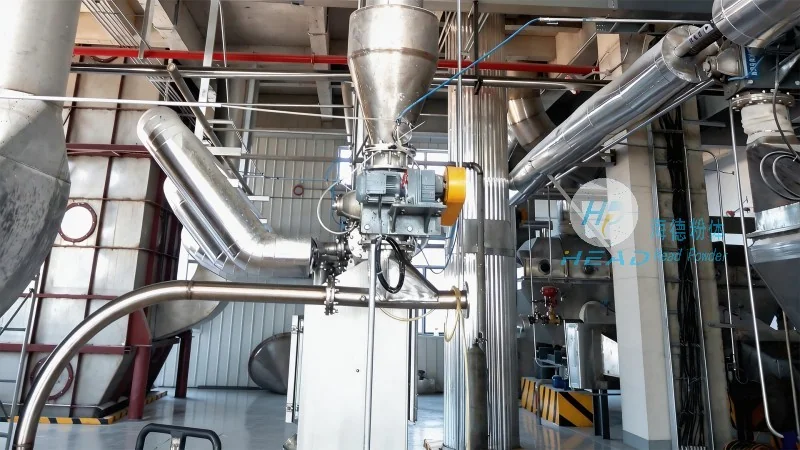
Advantages of Using Pneumatic Conveying for Barley Malt Powder
There are several advantages to using pneumatic conveying equipment for barley malt powder. Firstly, it offers a hygienic and clean method of transport, as the system is enclosed and prevents exposure to contaminants or environmental factors. This is particularly important in food processing applications where product purity is paramount. Secondly, the system is flexible and can be easily integrated into existing production lines, allowing for modifications or expansions without significant downtime. Additionally, pneumatic conveying reduces the risk of product degradation due to minimal contact with mechanical parts and avoids the need for manual handling, which can lead to dust exposure and safety hazards.
Application Examples in the Brewery Industry
In the brewery industry, barley malt powder pneumatic conveying equipment is commonly used to transport malt from storage silos to the mashing tanks or other processing areas. The system ensures that the malt is delivered in a consistent and controlled manner, which is essential for maintaining the quality of the beer produced. For example, in a large-scale brewery, the equipment can transport hundreds of tons of malt per day, with minimal labor requirements and reduced risk of product loss or contamination. The reliability of the system also contributes to improved operational efficiency, as it allows for continuous production without interruptions caused by mechanical failures or material blockages.
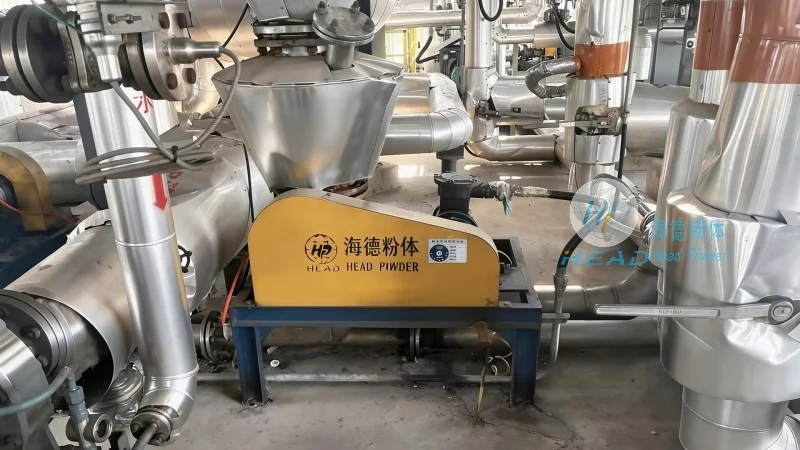
Maintenance and Operational Considerations
To ensure the long-term performance and reliability of the barley malt powder pneumatic conveying equipment, regular maintenance is essential. This includes checking the condition of the conveyor line for any signs of wear or damage, inspecting the blower or compressor for proper operation, and cleaning the system to remove any accumulated powder or debris. Additionally, it is important to monitor the airflow rate and pressure differentials to ensure they remain within the optimal range for conveying the powder. Proper maintenance not only extends the lifespan of the equipment but also ensures consistent performance and reduces the risk of downtime or product quality issues.
Conclusion
Barley malt powder pneumatic conveying equipment from Shandong HeadPowder Engineering Co., Ltd. represents a reliable and efficient solution for transporting malt powder in the food and beverage industry. By leveraging advanced pneumatic technology and robust engineering, the system ensures consistent, hygienic, and safe transport of barley malt powder, contributing to improved product quality and operational efficiency in breweries and malt processing facilities. With its ability to handle the unique characteristics of malt powder and its flexibility in integration, the equipment is a valuable asset for any facility that requires reliable material handling solutions.