

Operation Process and Working Principle of Synthetic Fiber Powder Pneumatic Conveying Equipment
HeadPowder, a professional enterprise based in Shandong, China, specializes in the design, manufacturing, and supply of advanced pneumatic conveying equipment tailored for synthetic fiber powders. This article provides a detailed overview of the operation process and working principle of such equipment, highlighting the technical aspects and practical applications that make it an essential solution in various industrial sectors.
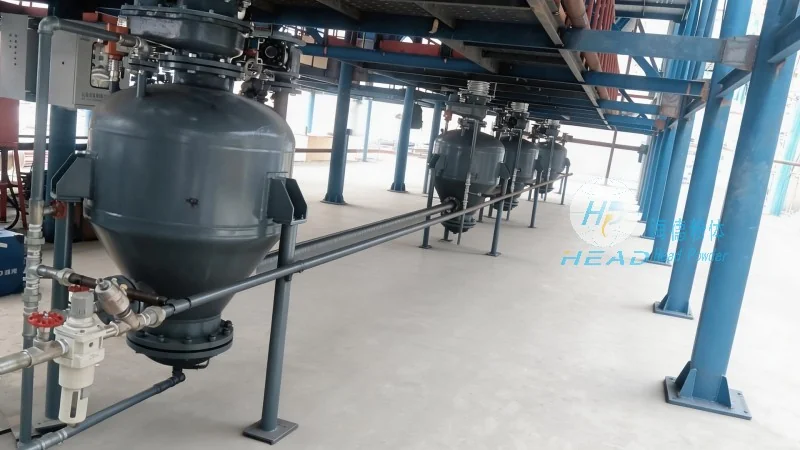
About HeadPowder: Leading Pneumatic Conveying Solutions Provider
HeadPowder, officially known as Shandong HeadPowder Engineering Co., Ltd., is a professional manufacturer and supplier of pneumatic conveying systems. With a strong commitment to innovation and quality, the company has established itself as a trusted partner for industries requiring efficient and reliable powder handling solutions. HeadPowder's expertise lies in developing customized equipment that meets the specific demands of clients, ensuring optimal performance and durability in diverse operational environments.
The Operation Process of Synthetic Fiber Powder Pneumatic Conveying Equipment
The operation process of synthetic fiber powder pneumatic conveying equipment involves several key steps, each designed to ensure the safe and efficient transfer of powder from the source to the destination. The process typically begins with the loading of the synthetic fiber powder into the hopper or storage tank. Once loaded, the powder is then drawn into the conveying line by a vacuum or pressure system, depending on the specific design of the equipment. The conveying line may include components such as ducts, valves, and filters to control the flow and prevent blockages. The powder is then transported through the pipeline to the discharge point, where it is collected in the receiving container. Throughout the operation, the system is monitored for pressure, flow rate, and other parameters to ensure smooth and continuous operation. HeadPowder's equipment is engineered to handle the unique properties of synthetic fiber powders, such as their fine particle size and potential for static electricity, ensuring that the conveying process is efficient and safe.
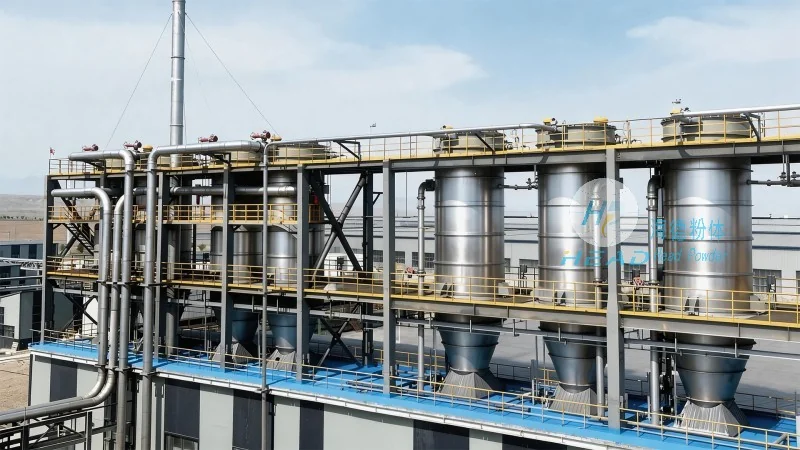
Working Principle of Synthetic Fiber Powder Pneumatic Conveying Equipment
The working principle of synthetic fiber powder pneumatic conveying equipment is based on the use of air or gas to transport the powder through a pipeline. There are two main types of pneumatic conveying systems: vacuum systems and pressure systems. Vacuum systems operate by creating a negative pressure in the conveying line, which draws the powder from the source to the destination. This type of system is commonly used for short-distance and low-volume conveying applications. Pressure systems, on the other hand, operate by creating a positive pressure in the conveying line, which pushes the powder from the source to the destination. This type of system is suitable for longer-distance and higher-volume conveying applications. Both systems rely on the principle of fluidization, where the powder is suspended in the air stream and transported through the pipeline. The equipment may also include components such as cyclones, separators, and filters to separate the powder from the air and prevent contamination. HeadPowder's equipment is designed with advanced technology to ensure efficient and reliable operation, minimizing energy consumption and maximizing the conveying capacity.
Key Features and Benefits of Synthetic Fiber Powder Pneumatic Conveying Equipment
HeadPowder's synthetic fiber powder pneumatic conveying equipment offers several key features and benefits that make it an ideal solution for various industrial applications. One of the primary advantages is its ability to handle fine and abrasive powders without causing wear and tear on the equipment. The equipment is also designed to prevent dust and contamination, ensuring that the powder remains clean and free from impurities. Additionally, the system is equipped with safety features such as pressure relief valves and emergency shut-off mechanisms to prevent accidents and ensure operator safety. The equipment is also highly customizable, allowing HeadPowder to tailor the design to meet the specific requirements of each client. This ensures that the equipment operates efficiently and effectively in the client's operational environment.
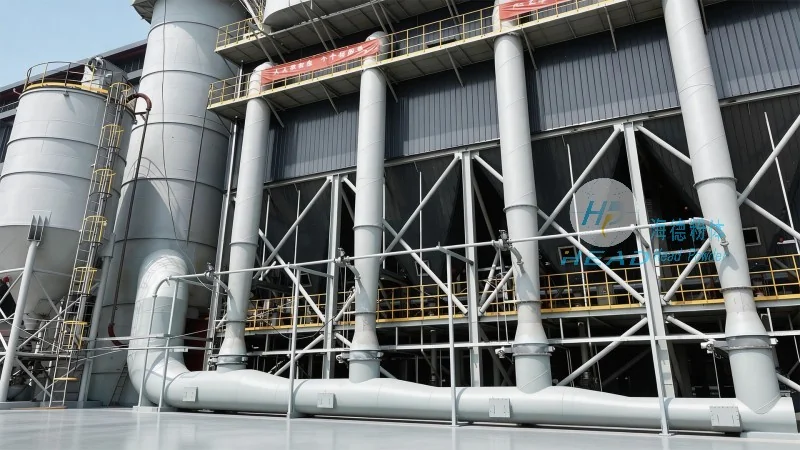
Applications and Industries Served by Synthetic Fiber Powder Pneumatic Conveying Equipment
Synthetic fiber powder pneumatic conveying equipment is widely used in various industries, including the chemical, pharmaceutical, food, and textile sectors. In the chemical industry, the equipment is used to transport synthetic fibers used in the production of plastics, resins, and other materials. In the pharmaceutical industry, the equipment is used to transport fine powders used in the manufacturing of drugs and pharmaceutical products. In the food industry, the equipment is used to transport synthetic fibers used in the production of food additives and packaging materials. In the textile industry, the equipment is used to transport synthetic fibers used in the production of textiles and fabrics. HeadPowder's equipment is designed to meet the specific requirements of each industry, ensuring that the powder is handled efficiently and safely.
Conclusion: Reliable and Efficient Synthetic Fiber Powder Pneumatic Conveying Solutions
HeadPowder's synthetic fiber powder pneumatic conveying equipment is a reliable and efficient solution for industries requiring the safe and efficient handling of synthetic fiber powders. The equipment is designed with advanced technology and tailored to meet the specific needs of each client, ensuring optimal performance and durability. With its commitment to quality and innovation, HeadPowder has established itself as a leading provider of pneumatic conveying solutions. The company's expertise in the field ensures that clients receive equipment that is not only efficient but also safe and reliable, meeting the highest standards of performance and safety.