

Cotton Fiber Pneumatic Conveying System Equipment Introduction and Structural Principle Explanation
Headpowder, the abbreviation for Shandong HeadPowder Engineering Co., Ltd., is a professional manufacturer and supplier of pneumatic conveying equipment. The company is located in Shandong, China. Headpowder specializes in the design, development, and production of advanced cotton fiber pneumatic conveying systems, providing reliable solutions for material handling in various industrial applications.
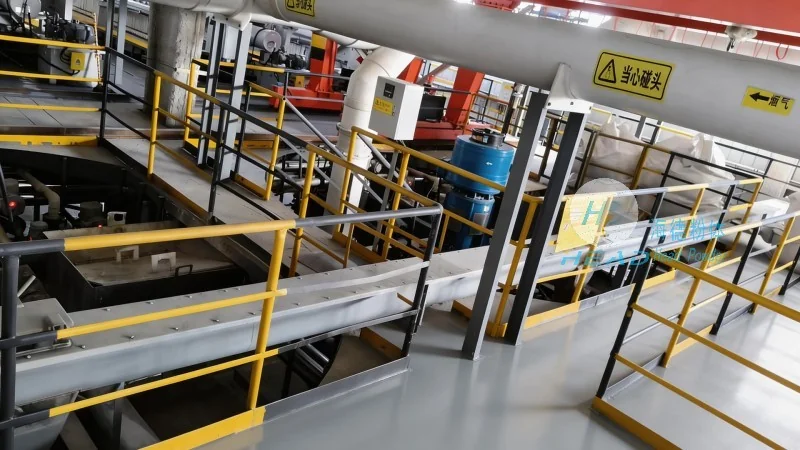
Overview of Cotton Fiber Pneumatic Conveying System Equipment
The cotton fiber pneumatic conveying system is a specialized piece of equipment designed to transport cotton fibers efficiently and safely. This system utilizes air as the conveying medium to move cotton fibers from one location to another, eliminating the need for traditional mechanical conveyors that may cause fiber damage or contamination. The equipment is engineered to handle the unique properties of cotton fibers, such as their lightweight, fibrous nature, and susceptibility to static electricity. By using a pneumatic system, the process ensures minimal fiber breakage, maintains fiber quality, and reduces operational costs compared to other handling methods.
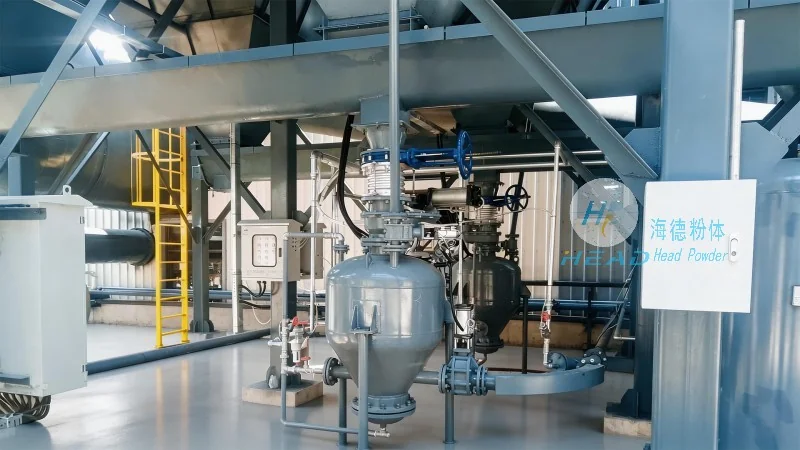
Structural Principles of the Cotton Fiber Pneumatic Conveying System
The cotton fiber pneumatic conveying system operates based on the principle of air pressure and flow. The system typically consists of several key components, including a hopper for material storage, a blower or air compressor to generate the air flow, a pipeline network to transport the fibers, and a receiver or discharge unit for the final material collection. The hopper is equipped with a feeding mechanism that allows cotton fibers to be fed into the system at a controlled rate. The blower then creates a low-pressure or high-pressure air stream, which draws the fibers into the pipeline. As the fibers travel through the pipeline, they are suspended by the air flow and transported to the receiver. The receiver is designed to separate the fibers from the air stream, typically using a cyclone separator or a filter system. This separation process ensures that the cotton fibers are collected in a clean and dry state, ready for further processing or use.
Key Components and Their Functions
Each component of the cotton fiber pneumatic conveying system plays a crucial role in the overall operation. The hopper serves as the storage container for raw cotton fibers, with a discharge valve or feeder to control the material flow into the system. The blower or air compressor is the heart of the system, providing the necessary air pressure to move the fibers through the pipeline. The pipeline network is constructed from materials that are resistant to corrosion and wear, ensuring durability and long service life. The receiver is equipped with a filtration system to remove any remaining air and fine particles from the cotton fibers, maintaining the quality of the final product.
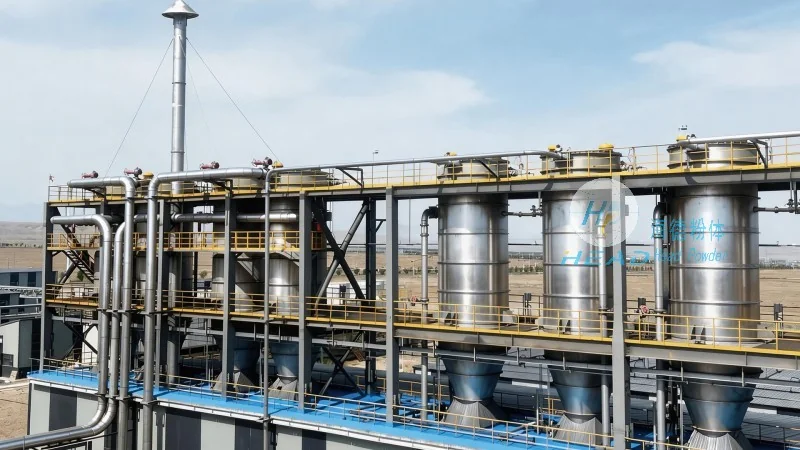
Advantages of the Cotton Fiber Pneumatic Conveying System
Compared to traditional mechanical conveyors, the cotton fiber pneumatic conveying system offers several advantages. First, it minimizes fiber damage and contamination, which is critical for maintaining the quality of cotton products. Second, the system is more energy-efficient, as it uses air as the conveying medium rather than mechanical parts that require constant maintenance. Third, the system is flexible and can be easily adjusted to handle different types and quantities of cotton fibers. Finally, the system is compact and can be installed in various industrial settings, making it a versatile solution for material handling.