

Introduction to the Limestone Pneumatic Conveying System Equipment: Structure and Working Principle
HeadPowder, a leading manufacturer based in Shandong, China, specializes in the design, production, and supply of advanced pneumatic conveying systems tailored for limestone and other bulk materials. This article provides a comprehensive overview of the equipment, focusing on its structural design and operational principles to help potential clients understand its capabilities and benefits.
Key Components of the Limestone Pneumatic Conveying System
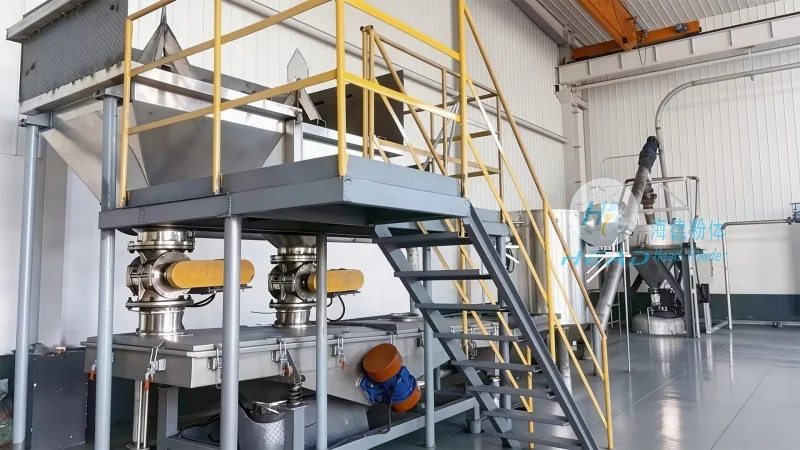
The limestone pneumatic conveying system is composed of several critical components that work in tandem to ensure efficient material transport. The primary elements include the hopper, feeder, air compressor, pipeline network, and receiver. Each component plays a vital role in the overall system performance.
The hopper is the initial storage unit where limestone is loaded. It is designed with a sloped bottom to facilitate smooth material flow into the feeder. The feeder, typically a rotary valve or a screw feeder, regulates the flow rate of limestone into the system, ensuring consistent and controlled material discharge. This control is crucial for maintaining system efficiency and preventing blockages.
The air compressor is the heart of the pneumatic conveying system, responsible for generating the necessary air pressure to move the limestone particles through the pipeline. High-pressure air is introduced into the system, creating a flow that propels the material. The choice of compressor type—such as rotary screw or centrifugal—depends on the specific application requirements, including material characteristics and system length.
The pipeline network consists of stainless steel or other corrosion-resistant materials to handle limestone, which can be abrasive. The design of the pipeline includes bends, elbows, and straight sections, all optimized to minimize pressure loss and maintain the air-material mixture's velocity. Properly sized pipelines are essential to avoid excessive energy consumption and ensure reliable transport.
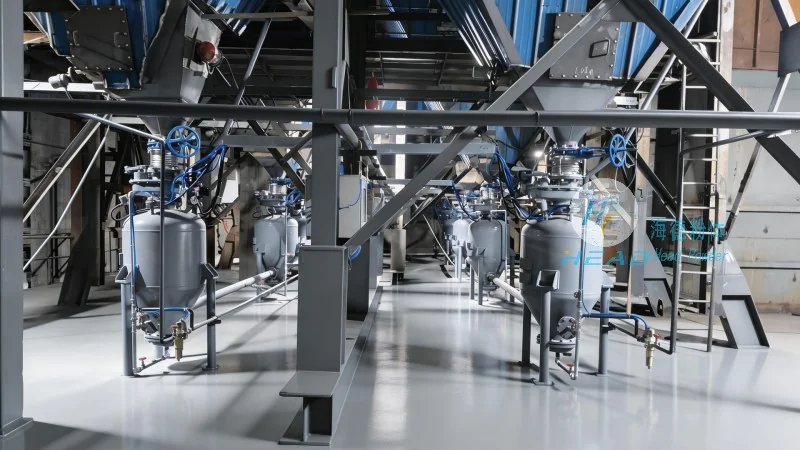
The receiver is the final destination where the conveyed limestone is deposited. It is equipped with a discharge valve or a hopper to collect the material. The receiver's design considers dust collection and material handling, ensuring that the system operates in a clean and efficient manner.
Working Principle of the Limestone Pneumatic Conveying System
The operation of the limestone pneumatic conveying system follows a systematic process that combines material feeding, air compression, and transport. The sequence begins with the loading of limestone into the hopper. As the feeder regulates the flow, the material is introduced into the pipeline along with the compressed air from the air compressor.
Once inside the pipeline, the air and limestone particles form a slurry-like mixture. The air pressure propels this mixture through the pipeline network, with the velocity maintained at a level sufficient to prevent material settling or blockage. The system's design ensures that the air velocity remains above the material's terminal velocity, which is the minimum speed required to keep the particles suspended.
During transport, the pipeline may include features such as cyclones or filters to separate any fine particles from the air stream, improving system efficiency and reducing maintenance needs. The receiver then captures the limestone as the air is discharged or recirculated back to the compressor, depending on the system configuration.
Advantages of the Limestone Pneumatic Conveying System
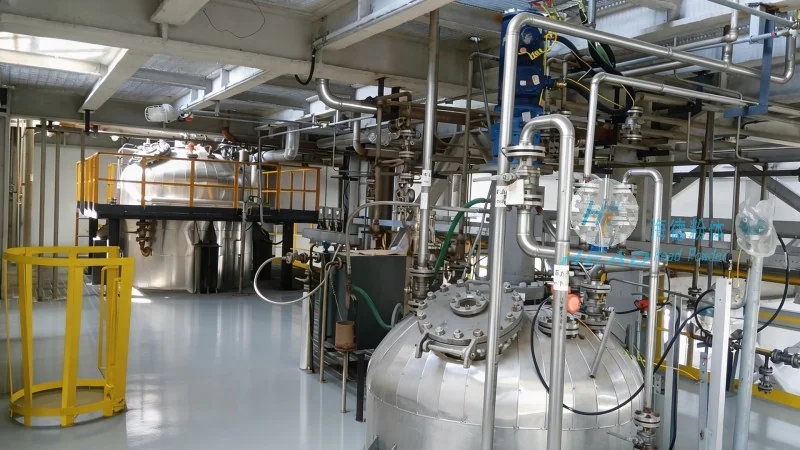
Compared to traditional mechanical conveying methods, the limestone pneumatic conveying system offers several advantages that make it a preferred choice for many industries. One of the key benefits is its ability to transport materials over long distances without the need for multiple transfer points or intermediate storage. This reduces operational complexity and improves overall system reliability.
The system also provides excellent dust control, as the material is contained within the pipeline and the air is filtered before release. This is particularly important for limestone, which can generate dust during handling. The enclosed design minimizes environmental impact and ensures compliance with industrial safety standards.
Another advantage is the flexibility of the system. It can be easily adapted to different material types and processing requirements by adjusting the feeder speed, air pressure, or pipeline configuration. This adaptability makes it suitable for various applications, from small-scale operations to large industrial facilities.
The system's low maintenance requirements are also a significant benefit. With fewer moving parts compared to mechanical conveyors, the pneumatic system reduces the risk of mechanical failure and simplifies routine maintenance. This leads to lower operational costs and increased uptime for the equipment.
Application Scenarios
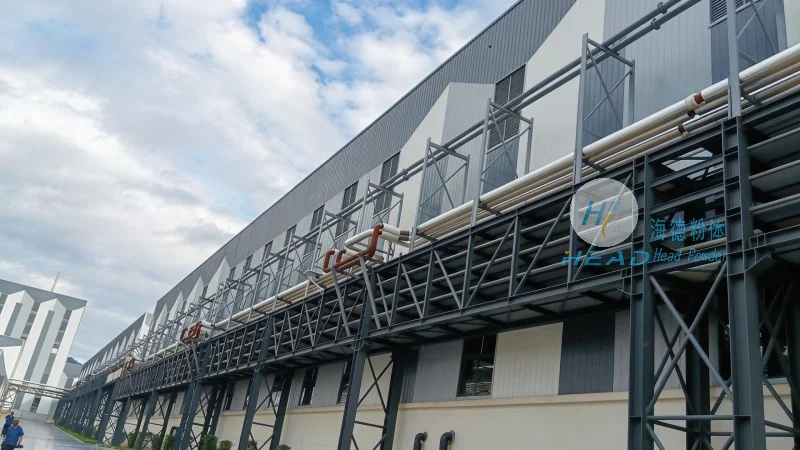
The limestone pneumatic conveying system is widely used in industries such as mining, cement production, and chemical processing. In cement plants, for example, it is used to transport limestone from storage silos to the raw material preparation area. The system's ability to handle large volumes of material efficiently supports the high production demands of these industries.
In the mining sector, the system is employed to transport crushed limestone from processing facilities to storage or shipping locations. The enclosed and dust-free operation helps maintain a safe working environment and reduces the risk of material loss or contamination.
In chemical processing, the system can be used to convey limestone for various processes, including neutralization or as a raw material in the production of calcium compounds. The system's ability to handle abrasive materials and maintain consistent flow rates makes it suitable for these applications.
Conclusion
HeadPowder's limestone pneumatic conveying system is a reliable and efficient solution for transporting bulk materials like limestone. By understanding its structural components and working principles, clients can appreciate the technology's benefits and make informed decisions about its application in their operations. With its robust design, low maintenance requirements, and adaptability, this system offers a superior alternative to traditional conveying methods, ensuring high performance and operational efficiency.