

Introduction to Gypsum Sand Pneumatic Conveying System Equipment: Structure and Working Principle Ex
HeadPowder, the abbreviation for Shandong HeadPowder Engineering Co., Ltd., is a professional manufacturer specializing in the design, production, and installation of pneumatic conveying systems. Based in Shandong, China, the company has established itself as a leading provider of advanced solutions for material handling, particularly in the handling of gypsum sand and similar bulk materials. The company's commitment to technological innovation and customer-centric service has enabled it to deliver high-efficiency, reliable, and cost-effective pneumatic conveying equipment to clients across various industries.
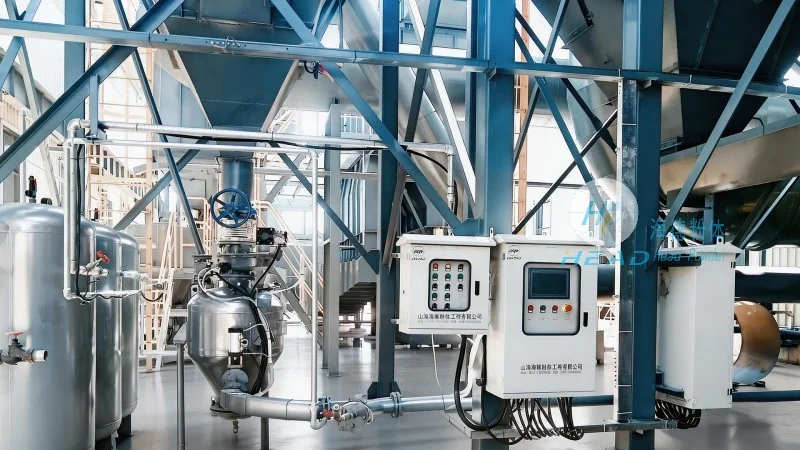
Key Components of the Gypsum Sand Pneumatic Conveying System
The gypsum sand pneumatic conveying system is composed of several core components that work in concert to achieve efficient material transport. The primary components include the material hopper, feeder, air compressor, conveying pipeline, and receiver. Each component plays a crucial role in the overall operation of the system. The material hopper is designed to store and feed the gypsum sand into the system, ensuring a consistent flow of material. The feeder, typically a rotary valve or a screw feeder, regulates the discharge rate of the material from the hopper, preventing overloading and maintaining system stability. The air compressor generates the necessary air pressure to move the material through the pipeline. The conveying pipeline, often made of stainless steel or other corrosion-resistant materials, is designed to withstand the abrasive nature of gypsum sand and maintain air pressure. The receiver collects the conveyed material and can be equipped with a dust collection system to ensure environmental compliance.
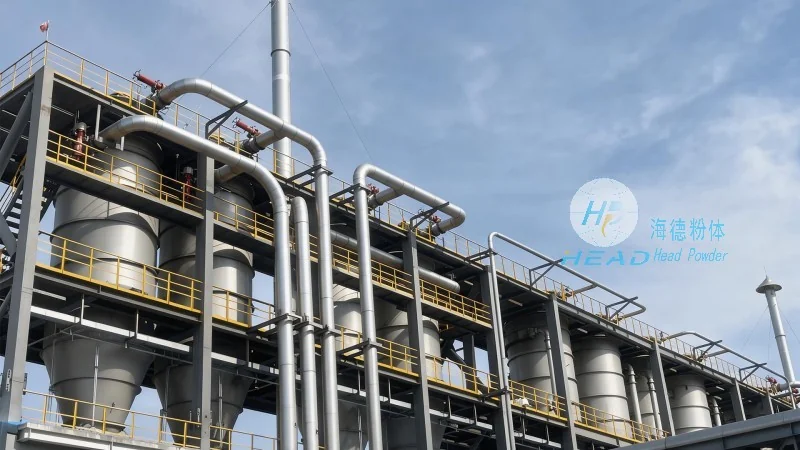
Working Principle of the Pneumatic Conveying System
The operation of the gypsum sand pneumatic conveying system is based on the principle of air suspension, where the material is carried by a stream of air within the pipeline. The system operates in a closed loop, with the air compressor continuously supplying compressed air to the pipeline. The feeder releases the gypsum sand into the pipeline, where the air flow lifts and transports the material to the receiver. The air flow is controlled to maintain a stable velocity, ensuring that the material is conveyed without clogging or degradation. The receiver is equipped with a filter or cyclone to separate the material from the air, and the air is then returned to the compressor or released to the atmosphere, depending on the system design. The entire process is automated, with sensors and controls monitoring the system parameters to ensure optimal performance and safety.
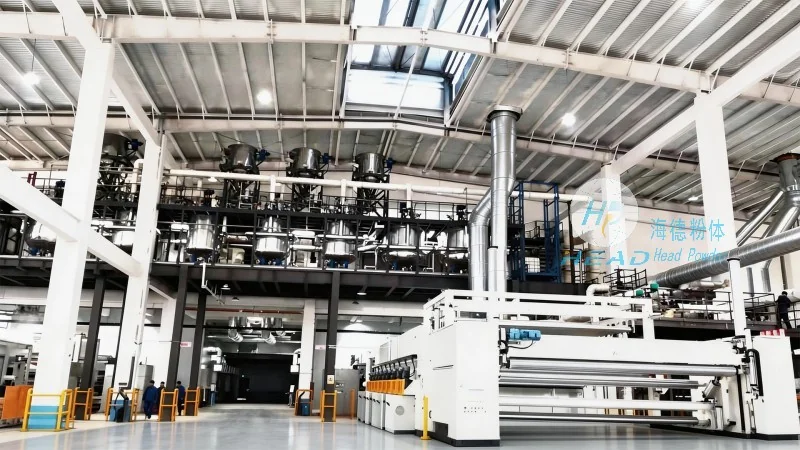
Advantages of the Gypsum Sand Pneumatic Conveying System
Compared to traditional mechanical conveying methods, the gypsum sand pneumatic conveying system offers several advantages. First, it eliminates the need for mechanical components such as belts, chains, or buckets, reducing maintenance costs and increasing system reliability. Second, the system can handle abrasive materials like gypsum sand without causing wear and tear on the equipment. Third, the closed-loop design minimizes dust emissions, improving workplace safety and environmental compliance. Fourth, the system can be easily integrated with other production processes, allowing for seamless material transfer between different stages of the production line. Finally, the system is highly flexible, with the ability to adjust the conveying capacity and distance by modifying the air pressure and pipeline design.
Application Scenarios and Industry Use Cases
The gypsum sand pneumatic conveying system is widely used in various industries where bulk material handling is required. In the construction industry, the system is used to transport gypsum sand for wallboard production, providing a clean and efficient method of material transfer. In the mining industry, the system is used to transport gypsum ore from the mine to processing facilities, reducing the need for manual handling and improving safety. In the chemical industry, the system is used to transport gypsum-based products, such as plaster or gypsum powder, ensuring a consistent quality and preventing contamination. Additionally, the system is used in the food and pharmaceutical industries for the handling of gypsum-based ingredients, where hygiene and safety are paramount.
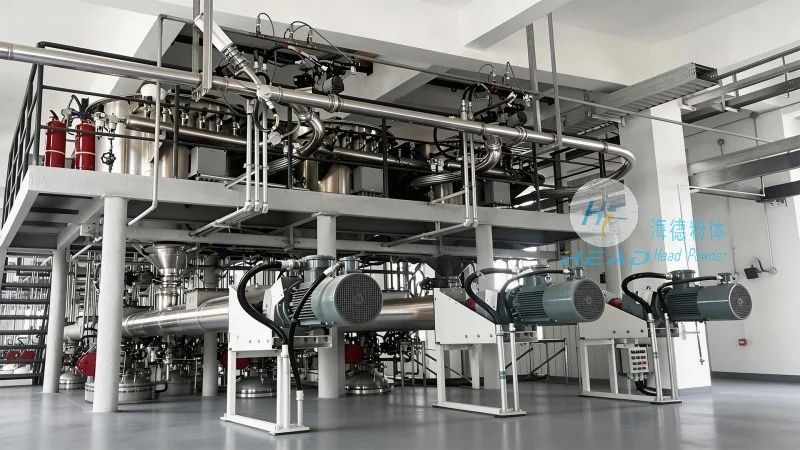
Technical Specifications and Customization Options
HeadPowder offers a range of technical specifications and customization options to meet the specific needs of clients. The system can be designed to handle different material types, including gypsum sand with varying particle sizes and moisture content. The air compressor can be selected based on the required conveying capacity and distance, with options ranging from small portable units to large industrial compressors. The conveying pipeline can be customized in terms of diameter, length, and material, with options including stainless steel, carbon steel, or plastic. The receiver can be equipped with different types of dust collection systems, such as bag filters or cyclones, depending on the application requirements. Additionally, the system can be integrated with automation controls, including PLC systems, to enhance system performance and reduce human intervention.