

Overview of Polypropylene Pneumatic Conveying System Equipment and Its Structural Principles
HeadPowder, a leading manufacturer based in Shandong, China, specializes in the design, development, and supply of advanced polypropylene pneumatic conveying systems. These systems are engineered to efficiently transport polypropylene materials in various industrial applications, ensuring reliable and efficient material handling solutions.
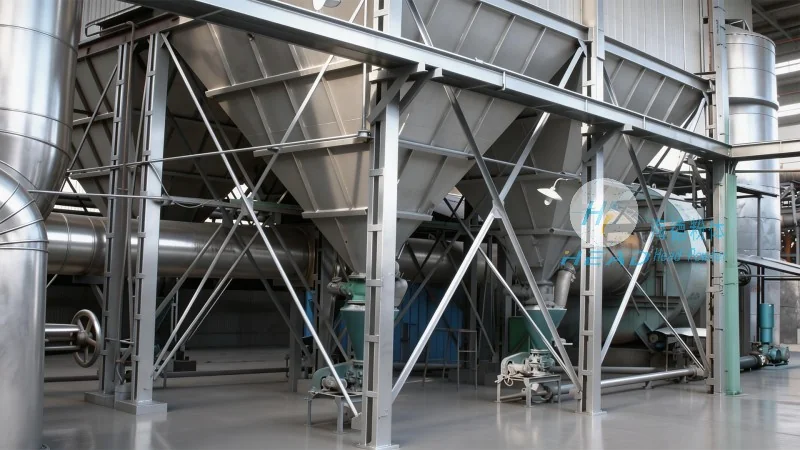
The polypropylene pneumatic conveying system is a critical component in many manufacturing processes, particularly in the plastics and chemical industries. It operates by using compressed air to move polypropylene particles through a network of pipes and components. The system's design incorporates several key elements that work in tandem to achieve optimal performance.
Key Components and Structural Principles
The core components of a polypropylene pneumatic conveying system include the material hopper, air compressor, conveying pipes, and control valves. The material hopper is designed to store and feed polypropylene granules or powders into the system. It typically features a hopper with a discharge valve that controls the flow rate of the material. The air compressor provides the necessary pressure to move the polypropylene particles through the conveying pipes. The conveying pipes are made of durable materials, such as stainless steel or specialized plastic, to withstand the abrasive nature of polypropylene and the effects of compressed air.
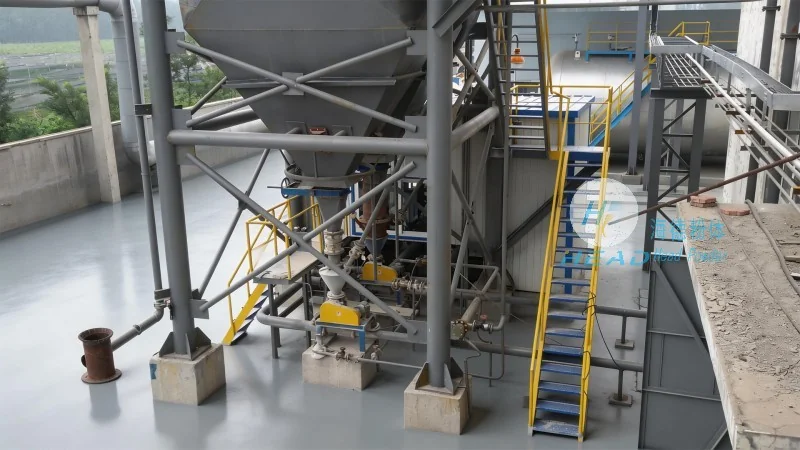
Control valves, including airlocks and check valves, are strategically placed throughout the system to regulate the flow of both material and air. Airlocks are used to prevent backflow and ensure a consistent flow rate, while check valves maintain the direction of air and material movement. The system's structural design emphasizes durability and efficiency, with components engineered to handle the specific characteristics of polypropylene, such as its density and flow properties.
Working Principle of the Pneumatic Conveying System
The operation of a polypropylene pneumatic conveying system begins with the material being loaded into the hopper. The air compressor then generates compressed air, which is introduced into the conveying pipe. As the compressed air flows through the pipe, it creates a low-pressure zone that draws the polypropylene particles into the pipe. The particles are then carried along with the air stream to the destination point, such as a storage silo or processing unit. The system's control mechanisms ensure that the air and material flow rates are balanced, preventing issues like material buildup or air leakage.
During the conveying process, the system maintains a consistent pressure and flow rate to ensure smooth operation. The control valves play a crucial role in adjusting the air pressure and material flow as needed. For example, if the system detects a blockage or a change in material flow, the control valves can adjust the air pressure to clear the blockage or maintain the flow rate. This dynamic adjustment capability is essential for the reliable operation of the polypropylene pneumatic conveying system.
Advantages of Polypropylene Pneumatic Conveying Systems
HeadPowder's polypropylene pneumatic conveying systems offer several advantages over traditional material handling methods. These systems are highly efficient, as they can transport large volumes of polypropylene material over long distances with minimal energy consumption. The enclosed system also helps to prevent dust and contamination, ensuring that the polypropylene remains clean and free from impurities. Additionally, the system's modular design allows for easy installation and maintenance, reducing downtime and operational costs.
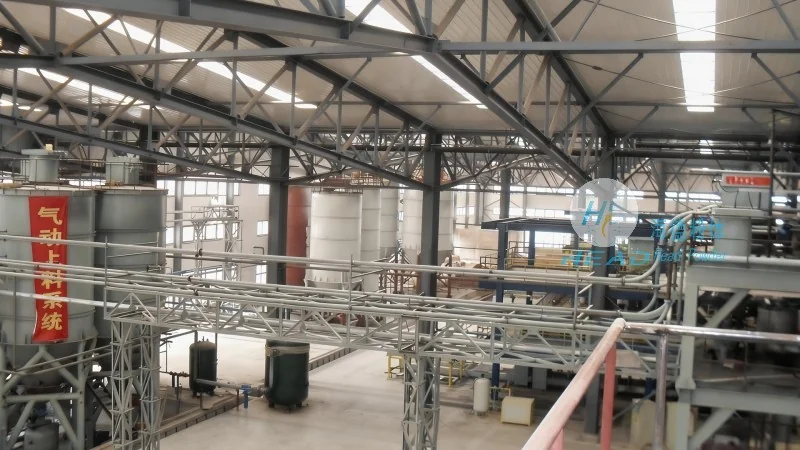
The durability of the components, particularly the conveying pipes and control valves, is another key advantage. These parts are designed to withstand the abrasive nature of polypropylene and the high-pressure air used in the system. This durability extends the lifespan of the equipment and reduces the need for frequent replacements, contributing to long-term cost savings for industrial users.
Application Examples
Polypropylene pneumatic conveying systems are widely used in various industrial applications. In the plastics industry, these systems are commonly employed to transport polypropylene granules from storage silos to extrusion or molding machines. In chemical processing facilities, they are used to move polypropylene powders between processing stages, ensuring a continuous and efficient production flow. The versatility of the system allows it to be adapted to different production requirements, making it a valuable asset in modern manufacturing environments.
HeadPowder's expertise in designing and manufacturing polypropylene pneumatic conveying systems ensures that clients receive customized solutions tailored to their specific needs. Whether for new installations or system upgrades, the company's commitment to quality and efficiency helps to enhance the performance and reliability of material handling processes in various industries.