

Introduction to Equipment and Structural Principles of Sodium Carbonate Pneumatic Conveying Systems
For industrial applications involving the transport of sodium carbonate, efficient and reliable material handling systems are crucial. This overview focuses on the equipment used in pneumatic conveying systems designed specifically for sodium carbonate, detailing its structural components and operational principles. The following sections provide a comprehensive look at the key elements that constitute such systems, ensuring clarity on how they function to meet the demands of bulk material transport in various industrial settings.
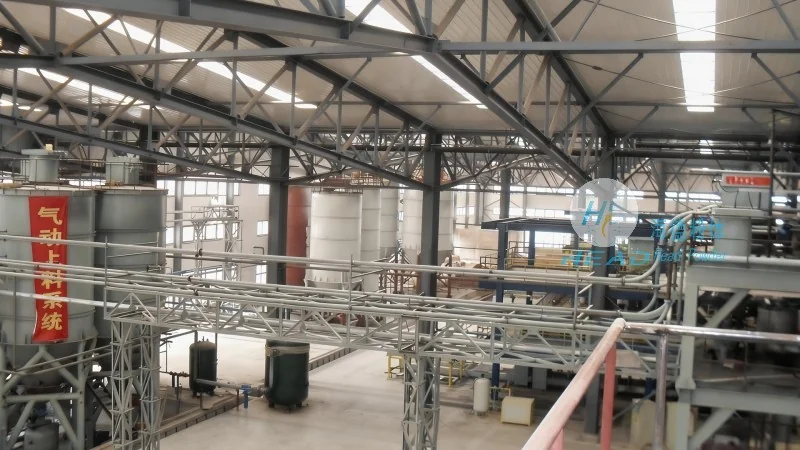
Key Components of the Pneumatic Conveying System
The pneumatic conveying system for sodium carbonate typically consists of several core components that work in tandem to achieve effective material transport. These components include the material hopper, which serves as the storage and feeding unit where sodium carbonate is loaded before being introduced into the system. The hopper is equipped with a feeding mechanism, often a rotary valve or a screw feeder, that controls the flow rate of the material into the conveying line. This control is essential to maintain consistent pressure and flow within the system, preventing blockages and ensuring smooth operation. The conveying line itself is a crucial part of the system, usually made of durable materials such as stainless steel or high-density polyethylene, designed to withstand the abrasive nature of sodium carbonate particles. The line may include bends and elbows to navigate the path from the hopper to the discharge point, with each bend carefully designed to minimize pressure loss and maintain the integrity of the material flow. At the discharge end, a receiver or a silo is used to collect the conveyed sodium carbonate, ensuring that the material is deposited in the desired location without spillage or loss. Additionally, the system may incorporate a dust collection and filtration unit to manage any airborne particles, which is particularly important for sodium carbonate due to its fine particle size and potential for creating dust during handling. This unit helps maintain a clean and safe working environment while also preventing contamination of the material.
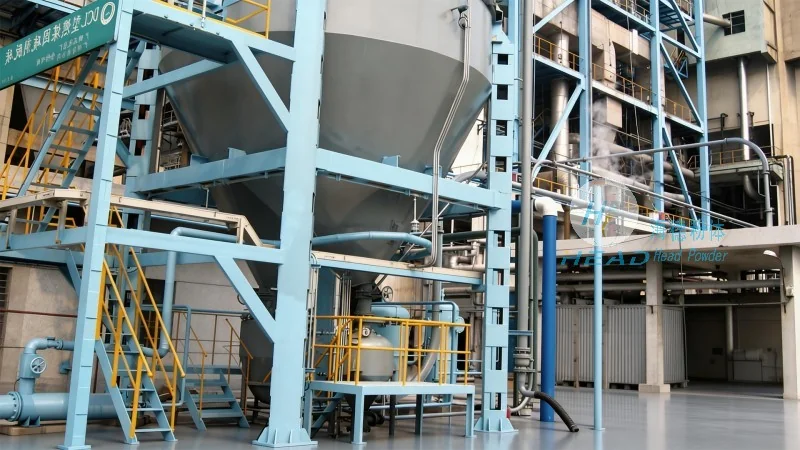
Structural Principles and Operational Mechanism
The structural principles of the pneumatic conveying system for sodium carbonate are based on the fundamental concept of using air as the conveying medium to transport solid particles. The system operates on the principle of creating a pressure differential between the feeding and discharge points. When the feeding mechanism introduces sodium carbonate into the conveying line, it is mixed with a stream of air, forming a slurry or a suspension that moves through the line under pressure. The pressure is generated by a blower or a positive displacement pump, which provides the necessary force to overcome the resistance of the material and the line. The velocity of the air within the line is critical; it must be sufficient to keep the sodium carbonate particles in suspension and prevent them from settling or sticking to the walls of the line. This velocity is typically maintained at a level that ensures the particles remain entrained by the air stream, allowing for efficient transport over long distances. The system's design also considers the particle size distribution of sodium carbonate, as larger particles may require higher air velocities to remain suspended, while smaller particles might settle more easily if the velocity is too low. Therefore, the structural design of the conveying line, including its diameter and the angle of bends, is optimized to accommodate the specific characteristics of the sodium carbonate being transported. The operational mechanism involves a sequence of steps: material is fed from the hopper into the line, air is introduced to create a pressure differential, the mixture travels through the line to the discharge point, and the material is collected in the receiver. This process is continuous and can be automated to handle large volumes of sodium carbonate, making it suitable for industrial-scale applications where high throughput is required.
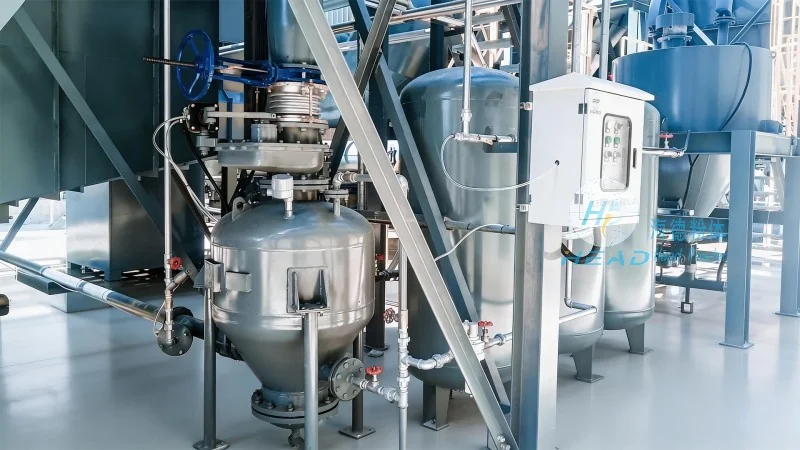
Advantages of Pneumatic Conveying for Sodium Carbonate
Compared to traditional methods such as belt conveyors or bucket elevators, pneumatic conveying systems offer several advantages when handling sodium carbonate. One of the primary benefits is the ability to transport material in a closed system, which helps prevent dust contamination and environmental pollution. This is particularly important for sodium carbonate, which can generate fine dust that may be hazardous to workers and the environment. The closed system also reduces the risk of material spillage and loss during transport, ensuring higher material recovery rates. Another advantage is the flexibility of the system, as the conveying line can be easily reconfigured or extended to accommodate changes in the production layout or to serve multiple destinations. This adaptability makes the system suitable for various industrial applications, from small-scale processing to large-scale manufacturing. Additionally, pneumatic conveying systems are generally more energy-efficient than other bulk material handling methods, as they can transport material over longer distances with less energy consumption. The system's ability to handle both dry and slightly moist sodium carbonate without causing caking or agglomeration is another key advantage. This is achieved through the design of the feeding mechanism and the air flow, which prevents the material from sticking together during transport. The overall structural design of the system, including the use of durable materials and efficient components, contributes to lower maintenance costs and longer service life, making it a cost-effective solution for industrial applications. These advantages make pneumatic conveying an ideal choice for handling sodium carbonate in various industrial settings, ensuring efficient, safe, and reliable material transport.