

Cement Clinker Pneumatic Conveying System Equipment Introduction and Structural Principle Explanatio
HeadPowder, the abbreviation for Shandong HeadPowder Engineering Co., Ltd., is a professional manufacturer and supplier specializing in cement clinker pneumatic conveying systems. The company is headquartered in Shandong, China, and has established a strong reputation in the industry for its advanced technology and reliable products. With a focus on innovation and customer satisfaction, HeadPowder provides comprehensive solutions for material handling in cement production and related industries.
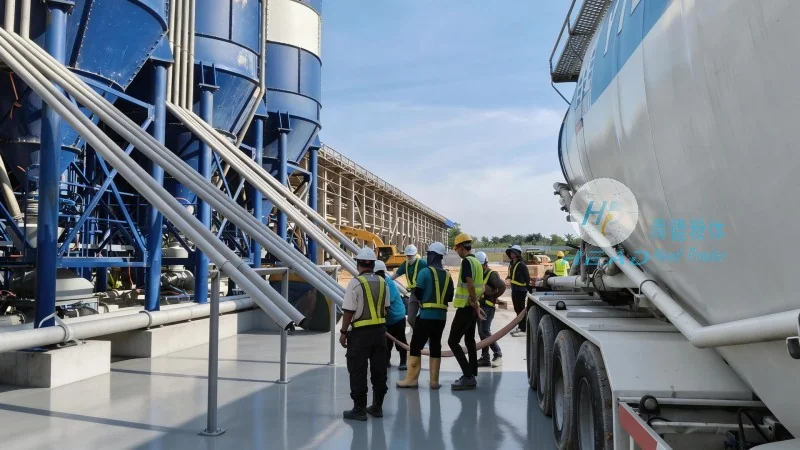
Overview of Cement Clinker Pneumatic Conveying Systems
Cement clinker is a crucial intermediate product in cement manufacturing, and efficient transportation of this material is essential for maintaining production efficiency and reducing operational costs. Pneumatic conveying systems offer a highly effective method for transporting clinker from storage silos or production lines to processing units. These systems utilize air pressure to move bulk materials through a network of pipes, eliminating the need for mechanical components like conveyors or elevators that can cause wear and maintenance issues.
Key Components and Structural Principles
The cement clinker pneumatic conveying system consists of several core components, each playing a vital role in the overall operation. The main components include the material feeder, air compressor, conveying pipeline, dust separator, and control system. The material feeder is responsible for feeding clinker into the system at a controlled rate, ensuring a steady flow. The air compressor generates the necessary air pressure to move the material through the pipeline. The conveying pipeline is typically made of high-quality steel or other corrosion-resistant materials to withstand the abrasive nature of clinker. The dust separator is crucial for removing airborne particles, ensuring compliance with environmental regulations and maintaining air quality. The control system monitors and regulates the operation of all components, providing real-time feedback and adjustments to maintain optimal performance.
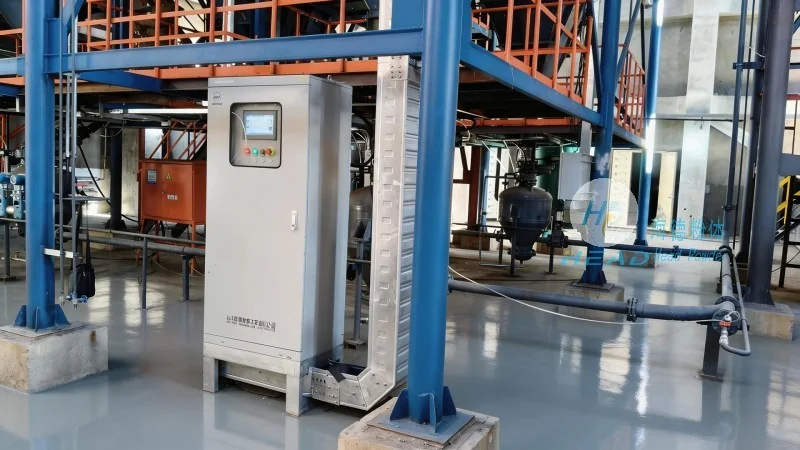
Working Principle of the System
The operation of a cement clinker pneumatic conveying system follows a systematic process. Initially, clinker is fed into the material hopper from the storage silo. The feeder then meters the material into the conveying line at a consistent rate. Simultaneously, the air compressor supplies compressed air to the pipeline. The air and material mixture travels through the pipeline under pressure, moving the clinker to the destination point. At the receiving end, the system may include a de-dusting unit to separate the material from the air stream. The separated clinker is collected in a storage bin or directly fed into the next production stage. The air, now clean, is discharged back into the environment or recycled through the system.
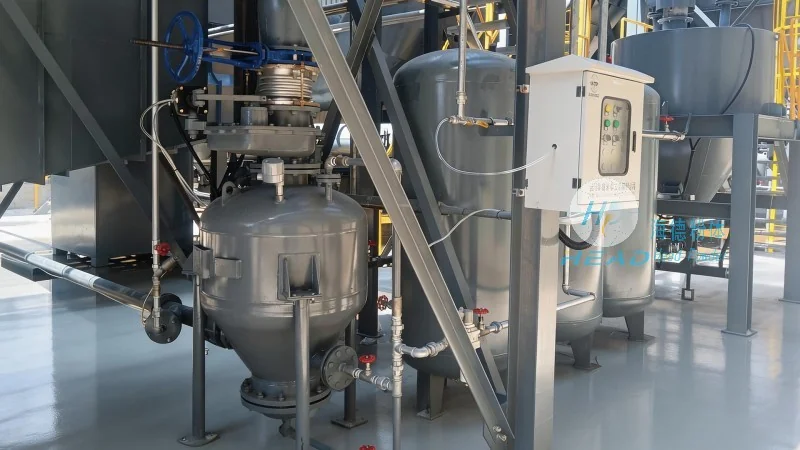
Advantages of Pneumatic Conveying Systems
Compared to traditional mechanical conveying methods, pneumatic conveying systems offer several advantages for cement clinker transportation. Firstly, they provide a dust-free and hygienic environment, which is critical in cement production where dust can affect product quality and worker health. Secondly, these systems are highly flexible, allowing for changes in the conveying route without major modifications to the infrastructure. Thirdly, they reduce maintenance costs as there are fewer moving parts compared to belt or bucket elevators. Additionally, pneumatic conveying systems can handle a wide range of material characteristics, including abrasive and corrosive clinker, with minimal wear on components. The ability to operate under negative pressure (suction mode) or positive pressure (blowing mode) provides versatility in different application scenarios.
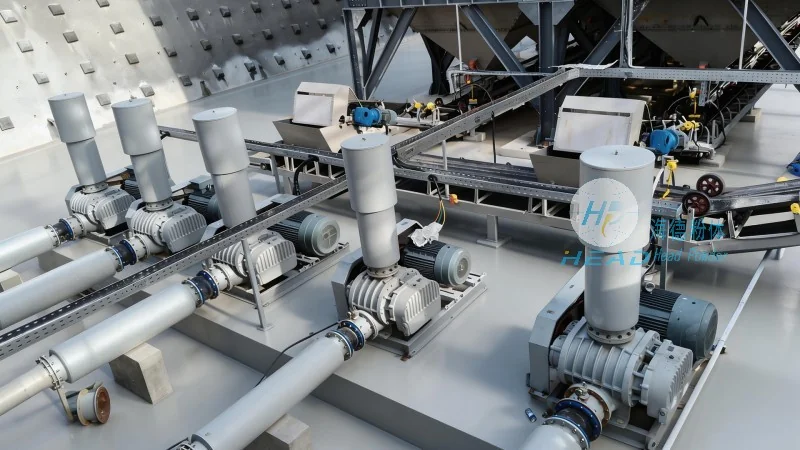
Application Scenarios
Cement clinker pneumatic conveying systems are widely used in various stages of cement production. Common applications include transporting clinker from the clinker cooler to the cement mill, moving clinker from storage silos to the packaging plant, and conveying clinker to the raw material blending system. In addition to cement production, these systems are also applied in other industries such as mining, chemical processing, and food processing, where bulk material handling is required. The adaptability of the system makes it suitable for both new plant installations and retrofitting existing facilities.
Quality Assurance and Technical Support
HeadPowder Engineering Co., Ltd. places a strong emphasis on quality assurance throughout the manufacturing process. The company adheres to international standards and uses advanced manufacturing techniques to ensure the durability and reliability of its pneumatic conveying systems. Each component is rigorously tested and inspected before assembly, and the final system undergoes comprehensive performance testing to verify its efficiency and compliance with industry requirements. The company also provides comprehensive technical support to its clients, including installation guidance, commissioning assistance, and long-term maintenance services. With a team of experienced engineers and technicians, HeadPowder ensures that clients receive the necessary support to maximize the performance and lifespan of their equipment.