

Introduction to Equipment and Structural Principles of Light Calcium Carbonate Pneumatic Conveying S
Light calcium carbonate (LCC) is a widely used industrial material, and efficient handling and transportation are crucial for its application in various industries. The pneumatic conveying system, as a key equipment for material transport, plays a vital role in ensuring the smooth operation of production lines. This article provides an introduction to the equipment and structural principles of light calcium carbonate pneumatic conveying systems, focusing on the technical aspects and practical applications.
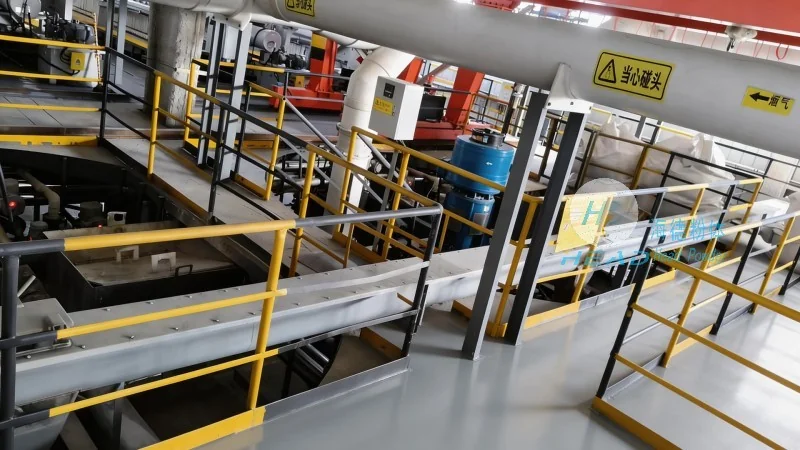
Company Profile: Shandong HeadPowder Engineering Co., Ltd.
Shandong HeadPowder Engineering Co., Ltd. is a professional manufacturer and supplier specializing in pneumatic conveying equipment. With a strong technical team and rich industry experience, the company provides high-quality solutions for material handling, particularly in the processing of light calcium carbonate. HeadPowder is committed to delivering reliable and efficient systems that meet the diverse needs of clients in the chemical, food, and other related industries. The company's headquarters is located in Shandong, China, where it operates its production facilities and research centers.
Key Components of Light Calcium Carbonate Pneumatic Conveying Systems
The light calcium carbonate pneumatic conveying system typically consists of several core components that work together to achieve effective material transport. The main components include the material hopper, feeder, air compressor, conveying pipeline, and dust collector. Each component has a specific function and contributes to the overall performance of the system.
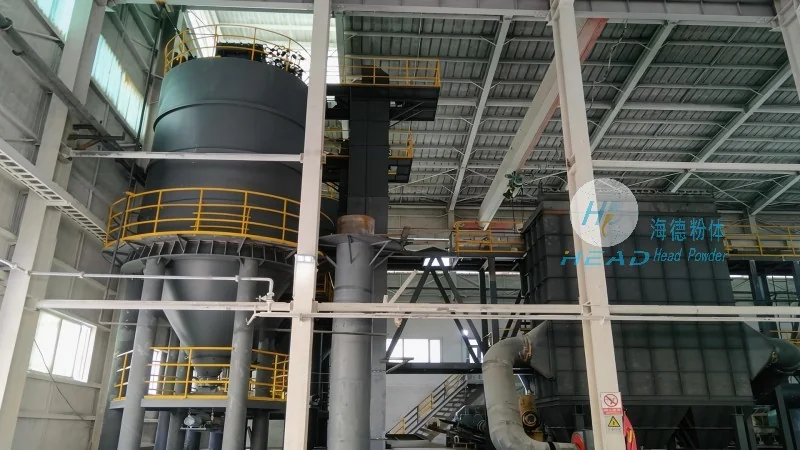
The material hopper is designed to store the light calcium carbonate powder, ensuring a stable supply of material. It is equipped with a level indicator and a discharge valve to control the material flow. The feeder, often a rotary valve or a screw feeder, regulates the material discharge rate, preventing overloading and ensuring consistent flow into the conveying pipeline. The air compressor generates the necessary air pressure to move the material through the pipeline. The conveying pipeline, usually made of stainless steel or other corrosion-resistant materials, is designed to withstand the pressure and temperature conditions during operation. The dust collector is essential for capturing and filtering the fine particles, ensuring environmental compliance and maintaining air quality.
Structural Principles and Working Mechanism
The structural principles of the light calcium carbonate pneumatic conveying system are based on the principle of air-solid two-phase flow. The system operates by creating a high-pressure air stream that carries the light calcium carbonate particles through the pipeline. The air pressure is maintained at a level sufficient to overcome the resistance of the pipeline and the weight of the material. The conveying process involves several stages: material feeding, air compression, material suspension, and material discharge.
During the feeding stage, the light calcium carbonate is introduced into the conveying pipeline from the hopper. The feeder controls the material flow rate, ensuring a uniform mixture of air and material. The air compressor then supplies compressed air to the pipeline, creating a high-velocity air stream. As the air flows through the pipeline, it lifts and suspends the light calcium carbonate particles, forming a dense phase or dilute phase flow, depending on the system design. The material is then transported to the discharge point, where it is collected in a receiving hopper or storage tank. The dust collector is integrated into the system to capture any fine particles that may escape during the conveying process, ensuring that the air discharged from the system is clean and meets environmental regulations.
Advantages of Light Calcium Carbonate Pneumatic Conveying Systems
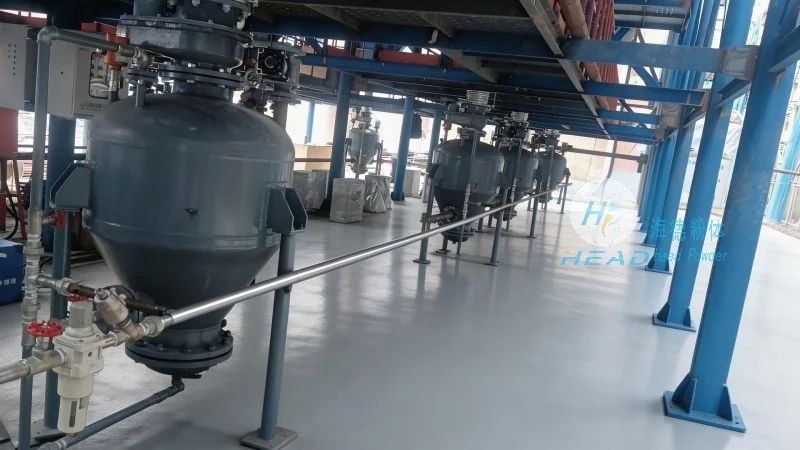
Light calcium carbonate pneumatic conveying systems offer several advantages over traditional material handling methods. One of the primary advantages is the ability to transport materials over long distances without the need for intermediate storage or transfer points. This reduces the risk of material contamination and improves operational efficiency. The system is also suitable for handling fine powders, as the air stream effectively suspends the particles, preventing clogging and ensuring smooth transport. Additionally, the system can be designed to operate in a closed loop, minimizing dust emissions and improving workplace safety. The flexibility of the system allows for easy integration with existing production lines, and it can be customized to meet specific material handling requirements.
Application Scenarios
Light calcium carbonate pneumatic conveying systems are widely used in various industries, including the chemical industry, food processing, and pharmaceuticals. In the chemical industry, the system is used to transport light calcium carbonate for the production of coatings, plastics, and other chemical products. In the food industry, the system is employed to handle light calcium carbonate used as a food additive or in the production of food packaging materials. The pharmaceutical industry also utilizes these systems for the transport of light calcium carbonate used in drug formulations and manufacturing processes. The versatility of the system makes it suitable for a wide range of applications, from small-scale laboratory use to large-scale industrial production.