

[Brief Introduction and Structural Principle of Baking Soda Powder Conveying]
Baking soda, also known as sodium bicarbonate, is a widely used chemical in various industries, including food processing, pharmaceuticals, and manufacturing. Efficient and reliable powder conveying is crucial for handling this material, as it ensures consistent flow, minimizes dust generation, and maintains product quality. This article provides an overview of the key aspects related to baking soda powder conveying, focusing on the structural design and operational principles that underpin effective material handling solutions. The information is presented by Shandong HeadPowder Engineering Co., Ltd., a leading provider of specialized engineering solutions for powder handling systems, with a focus on meeting the unique demands of industries that rely on baking soda.
Core Components of Powder Conveying Systems for Baking Soda
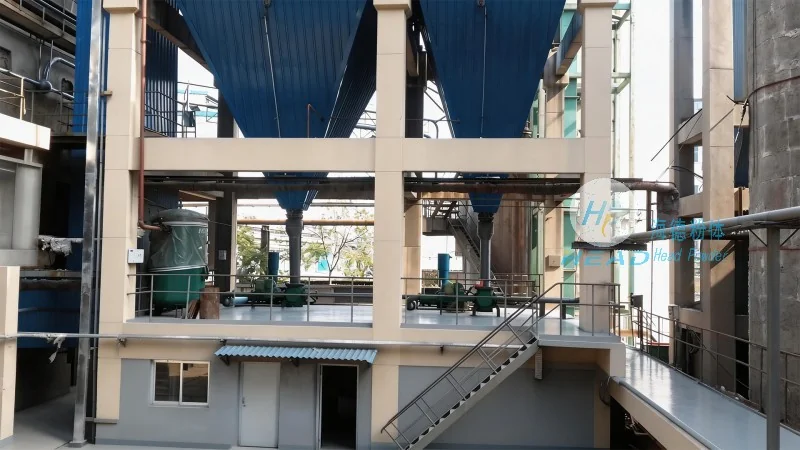
The powder conveying system for baking soda typically consists of several essential components that work in tandem to achieve smooth material transport. These components include a hopper for material storage, a conveyor mechanism (such as a screw or pneumatic system), and a control unit to regulate the flow. The hopper is designed to accommodate the bulk storage of baking soda, ensuring a steady supply to the conveyor. The conveyor mechanism is critical, as it must handle the specific properties of baking soda, such as its fine particle size and potential for static charge accumulation. For instance, pneumatic conveying systems are often preferred due to their ability to minimize dust and provide gentle handling, which is vital for maintaining the purity of the material. The hopper is usually constructed from stainless steel or other corrosion-resistant materials to prevent contamination and ensure durability. It may also feature a discharge valve or gate to control the release of material into the conveyor, preventing overfilling and potential blockages.
Structural Design and Operational Principles
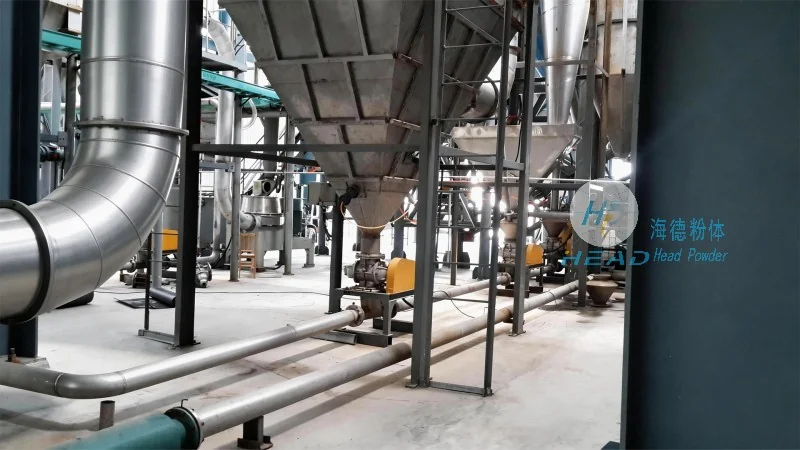
The structural design of a baking soda powder conveying system is engineered to address the unique challenges posed by this material. One of the primary considerations is the prevention of material bridging or caking within the hopper and conveyor. This is achieved through the use of specialized hopper designs, such as conical or wedge-shaped hoppers, which promote uniform material flow. Additionally, the conveyor components are often equipped with anti-static features to mitigate the risk of static discharge, which can cause material buildup and affect conveying efficiency. The control unit plays a pivotal role in managing the entire process, allowing for adjustments to flow rates, pressure, and other parameters to optimize performance. This integration of structural elements and operational controls ensures that the system operates reliably and safely, even with the delicate nature of baking soda. The system may also include a dust collection system to capture any airborne particles, further enhancing safety and compliance with environmental regulations.
Key Considerations for Material Handling in Baking Soda Conveying
When implementing a powder conveying system for baking soda, several factors must be carefully considered to ensure optimal performance. Firstly, the system must be designed to handle the material's fine particle size, which can lead to increased friction and potential blockages. This is addressed through the use of smooth, corrosion-resistant materials for the conveyor and hopper components, reducing the risk of particle accumulation. Secondly, the system must be capable of maintaining the material's purity, as baking soda is often used in applications where contamination is unacceptable. This requires the use of sealed systems and proper filtration to prevent cross-contamination. Finally, the system's energy efficiency is a critical factor, as the cost of operating a powder conveying system can be significant. Modern designs incorporate energy-saving features, such as variable speed drives and optimized air flow, to reduce operational costs while maintaining performance. The use of high-efficiency motors and intelligent control algorithms further enhances energy conservation, making the system both cost-effective and environmentally friendly.
Conclusion and Practical Applications
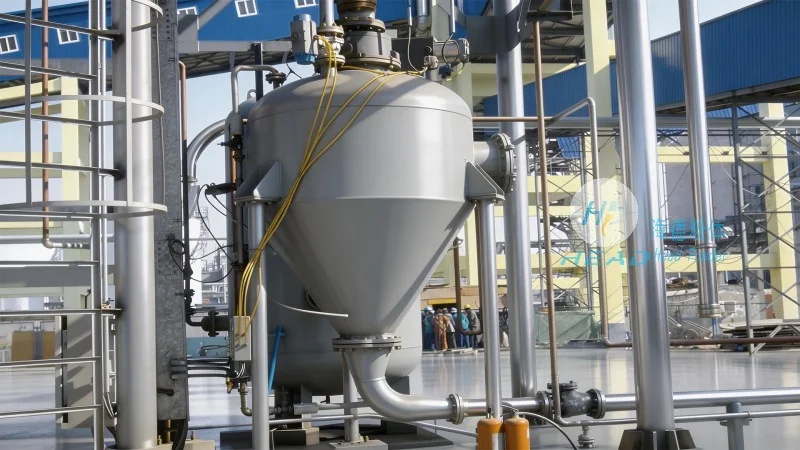
In conclusion, the effective handling of baking soda through powder conveying systems relies on a combination of thoughtful structural design and operational principles. The components and features discussed, such as specialized hoppers, anti-static measures, and integrated control units, are essential for ensuring reliable and efficient material transport. These systems are widely used in industries where baking soda is a key ingredient, such as food production, where consistent quality and safety are paramount. By understanding the unique properties of baking soda and implementing appropriate conveying solutions, companies can enhance their operational efficiency and maintain the high standards required in their respective fields. Shandong HeadPowder Engineering Co., Ltd. specializes in designing and manufacturing customized powder conveying systems tailored to the specific needs of baking soda applications, ensuring that clients receive solutions that are both effective and durable.