

Activated Carbon Powder Conveying: An Overview of Structural Principles and Working Mechanisms
For industrial applications involving activated carbon powder, efficient and reliable conveying systems are crucial to ensure smooth material handling and process optimization. This article provides an introduction to the structural principles and working mechanisms of activated carbon powder conveying systems, highlighting the key components and operational dynamics that contribute to effective material transport. The focus is on understanding how these systems are designed to handle the unique properties of activated carbon, such as its fine particle size and potential for dust generation, while maintaining safety and efficiency in industrial settings.
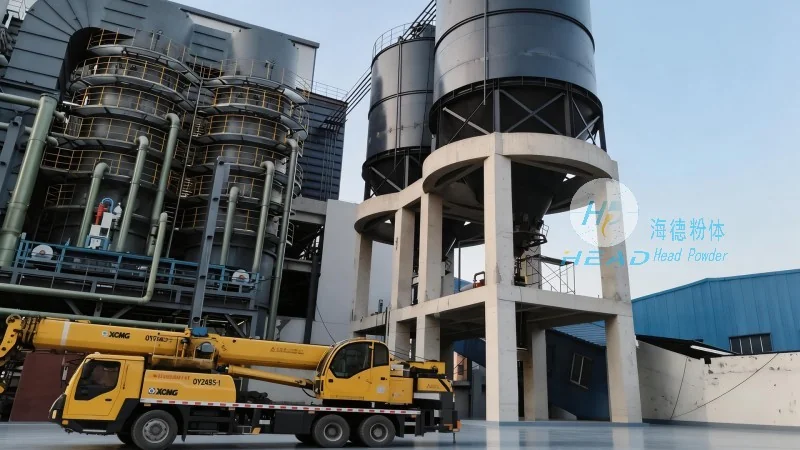
Key Components of Activated Carbon Powder Conveying Systems
The core components of an activated carbon powder conveying system typically include a hopper for material storage, a feeding mechanism to control the flow of powder, a conveying device (such as a screw conveyor, pneumatic conveyor, or belt conveyor), and a control system to regulate the operation. Each component plays a vital role in ensuring the consistent and safe transport of activated carbon powder. The hopper is designed to accommodate bulk quantities of activated carbon while minimizing dust exposure, often equipped with airtight seals and dust collection systems. The feeding mechanism, such as a rotary valve or vibratory feeder, ensures a controlled and uniform flow of powder into the conveying device. The conveying device itself is selected based on the specific characteristics of the activated carbon, including particle size, moisture content, and flowability. For example, screw conveyors are commonly used for low to medium flow rates, while pneumatic conveyors are preferred for high-volume, low-density materials like activated carbon.
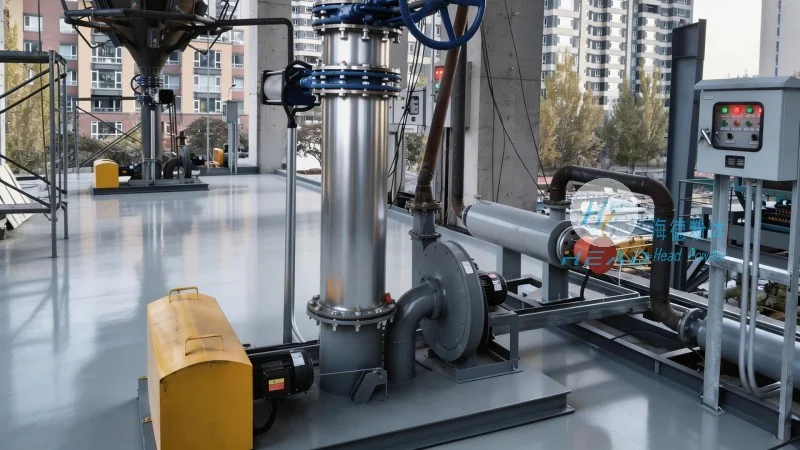
Structural Principles and Working Mechanisms
The structural principles of activated carbon powder conveying systems are centered on the balance between material handling efficiency and operational safety. The design aims to minimize material degradation, prevent dust accumulation, and ensure consistent flow rates. One of the primary challenges in conveying activated carbon is its fine particle size, which can lead to clogging or blockages in the system. To address this, systems often incorporate features like agitators or vibrators to maintain material flow and prevent bridging. Additionally, the use of airtight and sealed components is essential to control dust emissions and protect the environment. The control system, which may include sensors and automation controls, monitors parameters such as pressure, flow rate, and temperature to ensure optimal operation. This feedback loop allows for real-time adjustments, enhancing the system's responsiveness and reliability.
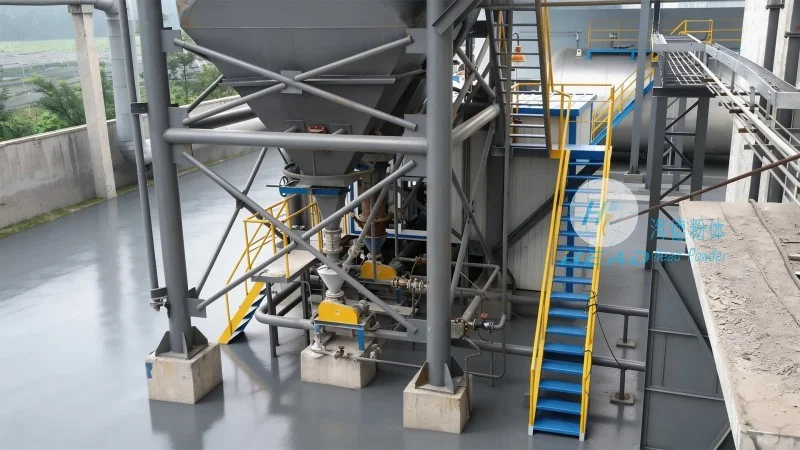
Operational Efficiency and Safety Considerations
Efficient operation of activated carbon powder conveying systems requires careful consideration of both performance and safety. The system's design must account for the potential hazards associated with fine powders, such as dust explosions and respiratory risks. Therefore, safety measures like explosion-proof components, dust collection systems, and proper ventilation are integral to the overall design. Additionally, the system's efficiency is influenced by factors like energy consumption, maintenance requirements, and material throughput. Modern conveying systems often incorporate energy-saving features, such as variable speed drives, to optimize power usage while maintaining performance. Regular maintenance, including cleaning and inspection of components, is also essential to prevent downtime and ensure long-term reliability.
Applications in Industrial Processes
Activated carbon powder conveying systems are widely used in various industrial applications, including water treatment, air purification, and chemical processing. In water treatment facilities, for example, activated carbon is used for adsorption of contaminants, and efficient conveying ensures a steady supply of material to the treatment units. Similarly, in chemical plants, activated carbon is used as a catalyst or adsorbent, and reliable conveying systems are critical to maintain production continuity. The versatility of these systems makes them suitable for a range of industries, from pharmaceuticals to food processing, where activated carbon is used for filtration and purification purposes.
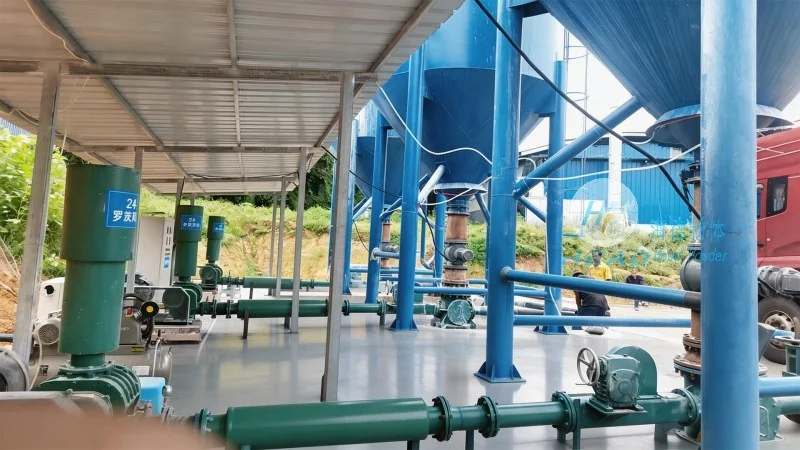
Conclusion
In summary, activated carbon powder conveying systems are essential for the efficient handling of this critical material. By understanding the structural principles and working mechanisms, industries can select and implement systems that optimize performance, safety, and cost-effectiveness. The integration of advanced components and control systems ensures that these systems can adapt to the unique challenges of activated carbon, providing reliable and sustainable material transport solutions. As industrial demands continue to evolve, the importance of well-designed conveying systems will remain paramount in maintaining operational efficiency and environmental compliance.