

Introduction to Intermittent Powder Handling Systems and Structural Principles
Intermittent powder handling systems are critical in numerous industrial applications, particularly in sectors that require precise and controlled movement of bulk materials. These systems are engineered to transport powders in a controlled manner, ensuring efficiency and safety in operations. The core functionality of such systems involves the intermittent release and movement of powder, which is vital for processes like mixing, blending, and material transfer in manufacturing and processing industries.
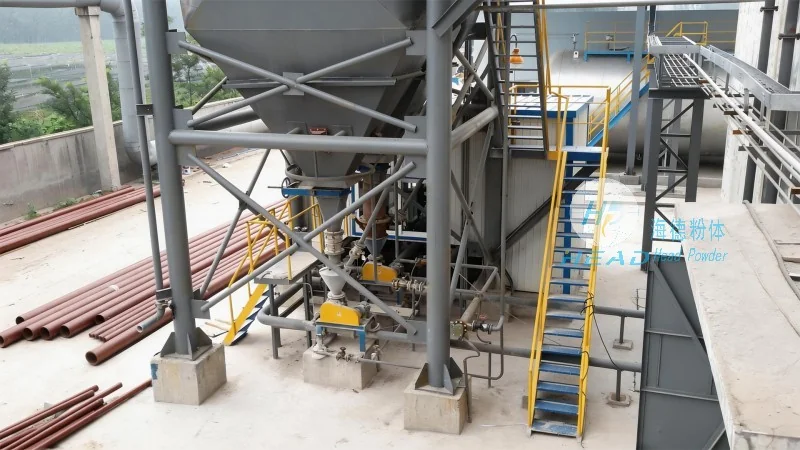
Structural Principles of Intermittent Powder Transport Systems
The structural design of intermittent powder handling systems is built on several key components that work in tandem to achieve reliable operation. A typical system includes a hopper or storage container to hold the powder, a feeding mechanism to control the flow rate, and a transport device such as a conveyor or pneumatic system. The feeding mechanism, often a rotary valve or a gate valve, regulates the amount of powder released at each interval, ensuring consistent and controlled movement. The transport component then moves the powder to the desired location, maintaining the integrity of the material and preventing segregation or caking.
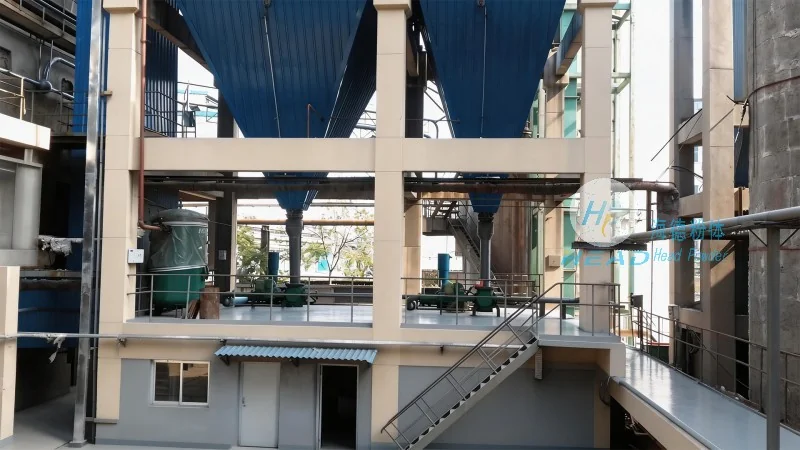
Key Components and Their Functions
Each component of an intermittent powder handling system plays a vital role in its overall performance. The hopper, typically made of stainless steel or other corrosion-resistant materials, provides a secure storage space for the powder, minimizing exposure to contaminants and ensuring material quality. The feeding mechanism, which may include a star valve, rotary airlock, or slide gate, controls the flow of powder by opening and closing at predetermined intervals. This intermittent release allows for precise dosing and prevents overloading of the transport system. The transport device, which can be a belt conveyor, screw conveyor, or pneumatic pipeline, moves the powder from the hopper to the processing area. Pneumatic systems, in particular, are effective for handling fine powders and can operate in a closed loop, reducing dust emissions and improving safety.
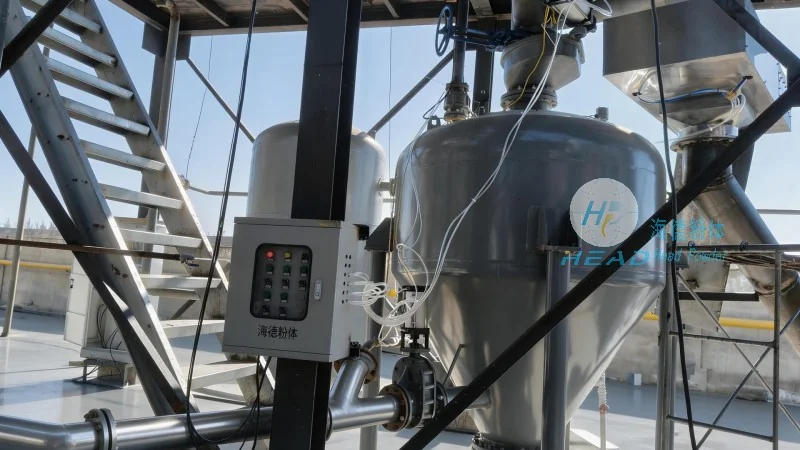
Advantages of Intermittent Powder Handling Systems
Intermittent powder handling systems offer several advantages over continuous systems, making them suitable for a wide range of applications. One of the primary benefits is the ability to control the flow rate precisely, which is critical in processes where accurate dosing is required, such as in pharmaceutical manufacturing or food processing. The intermittent operation also helps prevent material degradation, as the powder is not subjected to continuous agitation or high shear forces. Additionally, these systems are more energy-efficient compared to continuous systems, as they only operate when necessary, reducing operational costs. The design also allows for easy integration with other processing equipment, enhancing overall system efficiency.
Applications in Industrial Settings
Intermittent powder handling systems are widely used in various industrial sectors, including pharmaceuticals, food processing, chemical manufacturing, and mining. In the pharmaceutical industry, these systems are essential for handling active pharmaceutical ingredients (APIs) and excipients, ensuring that the powder is transferred without contamination or degradation. In food processing, they are used for handling ingredients like flour, sugar, and spices, maintaining product quality and safety. Chemical manufacturers rely on these systems for transporting bulk chemicals, preventing reactions between different materials and ensuring consistent processing. Mining operations use intermittent powder handling systems to transport raw materials from storage to processing plants, improving operational efficiency and safety.
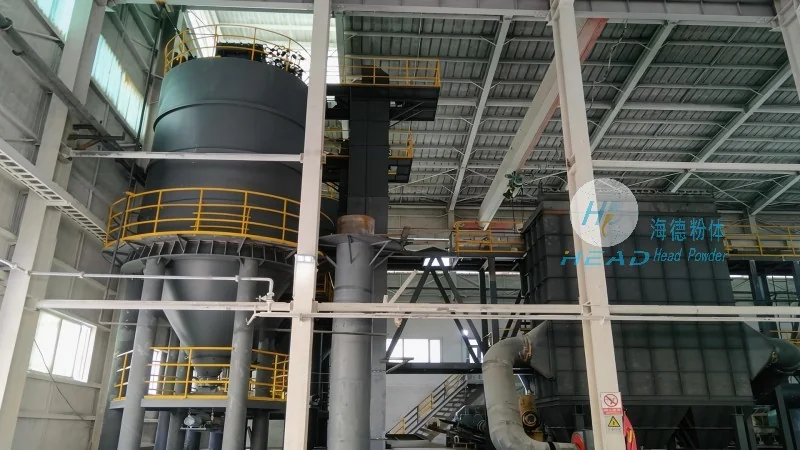
Maintenance and Operational Considerations
Proper maintenance is crucial to ensure the longevity and reliability of intermittent powder handling systems. Regular cleaning of the hopper and feeding mechanisms is necessary to prevent material buildup and clogging, which can affect system performance. Lubrication of moving parts, such as bearings and seals, should be performed according to the manufacturer's guidelines to prevent wear and tear. Additionally, monitoring the system's performance, including flow rates and pressure, helps identify potential issues before they become major problems. Proper training of operators is also essential to ensure safe and efficient operation of the system. By following these maintenance practices, companies can maximize the lifespan of their equipment and minimize downtime.