

Introduction to the Intermittent Feeding Powder Material Handling System: Structure and Working Prin
HeadPowder, a leading provider of industrial powder handling solutions, specializes in the design and manufacturing of advanced powder material handling systems. This article provides an overview of the intermittent feeding powder material handling system, detailing its structural components and operational principles. The system is engineered to efficiently transport bulk powders in a controlled manner, ensuring precision and reliability in various industrial applications.
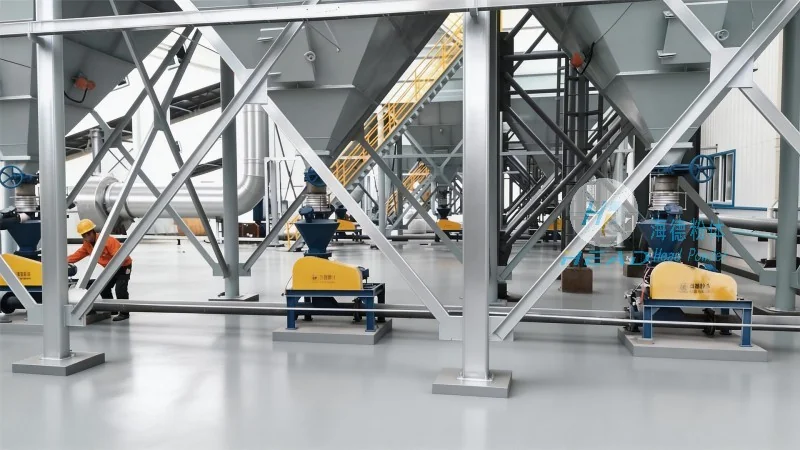
Overview of the Intermittent Feeding Powder Material Handling System
The intermittent feeding powder material handling system is a specialized equipment designed for the transportation of bulk powders in industrial settings. Unlike continuous conveyor systems, this system operates by delivering powders in discrete batches or intervals, making it ideal for applications where precise control over material flow is critical. The system is commonly used in sectors such as pharmaceuticals, food processing, and chemical manufacturing, where maintaining product quality and preventing contamination is paramount.
Key Structural Components of the System
The intermittent feeding powder material handling system comprises several essential components that work in tandem to ensure smooth operation. The primary components include a hopper for material storage, a feeder mechanism for controlled discharge, a conveyor or transfer unit for material movement, and a control system for operation management. Each component is carefully designed to meet the specific requirements of the application, ensuring durability and efficiency.
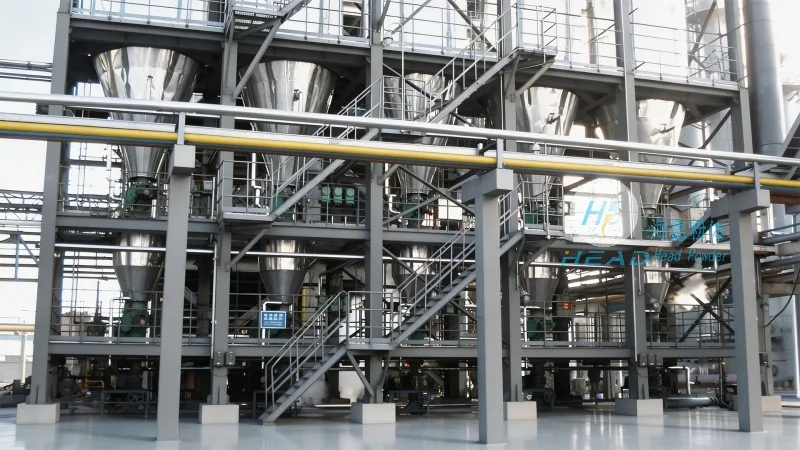
Working Principle of the Intermittent Feeding System
The operational principle of the intermittent feeding powder material handling system involves a sequence of steps that control the flow of powders. Initially, the hopper is filled with the bulk powder material. The feeder mechanism then activates, allowing a controlled amount of powder to be discharged into the transfer unit. This discharge occurs in discrete intervals, preventing overloading or clogging of the system. The transfer unit then moves the powder to the desired destination, such as a processing line or storage container. The control system monitors the entire process, adjusting the feeder speed and discharge intervals as needed to maintain optimal performance.
Advantages of the Intermittent Feeding System
Implementing an intermittent feeding powder material handling system offers several advantages over traditional continuous systems. One of the key benefits is the enhanced control over material flow, which minimizes the risk of overfilling or underfilling. This precision is particularly valuable in industries where product consistency is essential, such as in pharmaceuticals or food processing. Additionally, the system reduces the likelihood of material degradation due to prolonged exposure to air or moisture, as the powder is handled in controlled batches. The intermittent operation also contributes to lower energy consumption compared to continuous systems, as the equipment operates only during the feeding intervals.
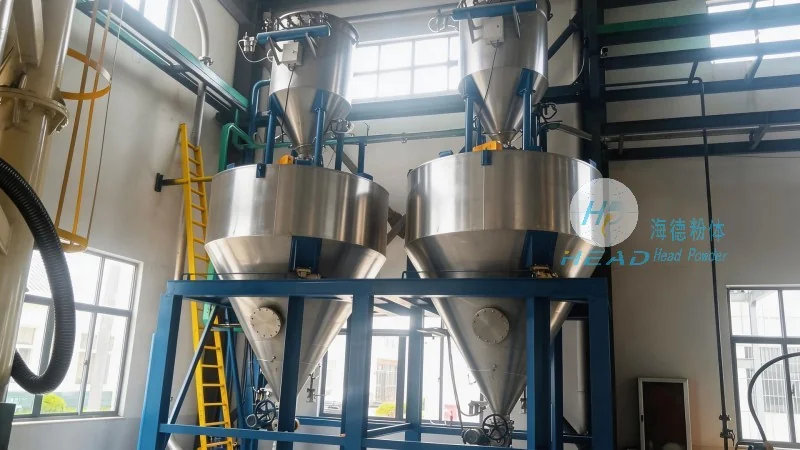
Applications and Industries
The intermittent feeding powder material handling system is widely applicable across various industries. In the pharmaceutical industry, it is used for the handling of active pharmaceutical ingredients (APIs) and excipients, ensuring that the powders are transferred with minimal contamination and precise dosing. In the food processing sector, the system is employed for handling ingredients like flour, sugar, and spices, maintaining product quality and hygiene standards. The chemical manufacturing industry also benefits from this system for handling raw materials and intermediates, where accurate measurement and controlled flow are critical to production processes.
Conclusion
HeadPowder, based in Shandong, China, is committed to providing high-quality powder handling solutions that meet the diverse needs of industrial clients. The intermittent feeding powder material handling system exemplifies the company's expertise in engineering reliable and efficient equipment. By understanding the structural components and working principles of this system, industries can enhance their operational efficiency and product quality. The system's ability to deliver precise and controlled powder flow makes it an indispensable asset in modern manufacturing processes.