

Introduction to Lithium Iron Carbonate Powder Handling System: Structure and Working Principle
HeadPowder, a leading enterprise in the field of powder handling technology, specializes in the design, manufacturing, and integration of advanced systems for handling lithium iron carbonate powder. This article provides an overview of the lithium iron carbonate powder handling system, detailing its structural components and operational principles to help users understand its functionality and application in industrial settings.
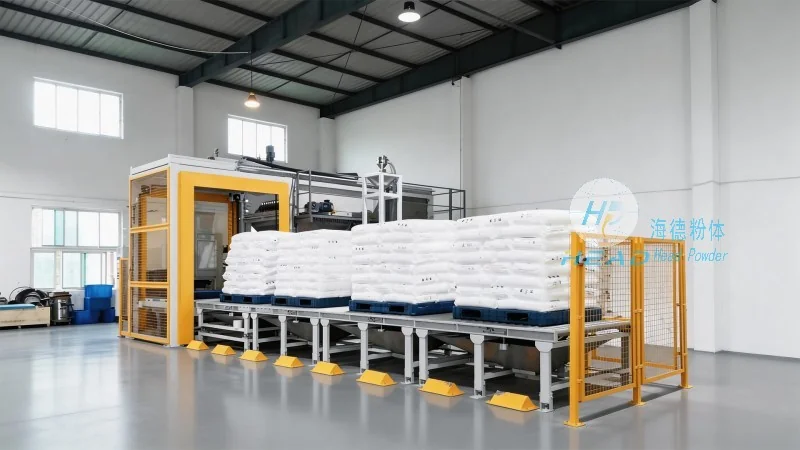
Company Profile and Background
Shandong HeadPowder Engineering Co., Ltd., commonly known as HeadPowder, is a professional manufacturer dedicated to providing high-quality powder handling solutions. With a focus on innovation and precision engineering, the company has established itself as a trusted partner in the chemical and material processing industries. HeadPowder's expertise lies in developing customized systems that meet the specific requirements of clients, ensuring efficient and reliable powder handling processes. The company is headquartered in Shandong, China, where it operates its research and development centers and production facilities.
Overview of Lithium Iron Carbonate Powder Handling System
The lithium iron carbonate powder handling system is a specialized equipment designed to handle, transport, and store lithium iron carbonate powder, a key material used in lithium-ion battery production. This system is engineered to address the unique challenges associated with handling fine powders, such as dust generation, caking, and material flow control. By integrating advanced technologies and components, the system ensures safe, efficient, and environmentally friendly operation, making it an essential component in battery manufacturing facilities.
Structural Components of the Powder Handling System
The lithium iron carbonate powder handling system consists of several critical components that work in concert to achieve optimal performance. These components include:
1. Feeding Unit: This component is responsible for feeding the lithium iron carbonate powder into the system. It typically includes a hopper or a feeder that ensures a consistent and controlled flow of material. The feeding unit is designed to minimize material degradation and prevent blockages, which are common issues in powder handling systems.
2. Pneumatic Conveying System: The pneumatic conveying system is a core part of the powder handling system, responsible for transporting the powder from the feeding unit to the storage or processing areas. This system uses compressed air to move the powder through a network of pipes, ensuring efficient and dust-free transport. The design of the conveying system is optimized to handle fine powders without causing excessive pressure drops or material degradation.
3. Storage Silo: The storage silo is used to store the lithium iron carbonate powder before it is processed or shipped. It is typically made of high-quality materials, such as stainless steel or corrosion-resistant alloys, to prevent contamination and ensure the longevity of the stored material. The silo is equipped with level sensors and pressure monitoring systems to provide real-time data on the material level and pressure within the silo.
4. Dosing and Metering Equipment: This component is responsible for accurately dosing the lithium iron carbonate powder into the next processing stage, such as mixing or packaging. It includes devices like rotary valves, screw feeders, or gravimetric dosers, which ensure precise and consistent material flow. The dosing equipment is critical for maintaining the quality and consistency of the final product, especially in applications where the powder is used in battery manufacturing.
5. Dust Collection and Filtration System: To ensure a safe and clean working environment, the powder handling system includes a dust collection and filtration system. This system captures any airborne particles generated during the handling process and filters them to meet environmental and safety standards. The filtration system typically uses high-efficiency particulate air (HEPA) filters or other advanced filtration technologies to ensure that the air is clean and free from dust.
Working Principle of the Powder Handling System
The operation of the lithium iron carbonate powder handling system follows a systematic process that ensures efficient and reliable handling of the material. The working principle can be broken down into the following steps:
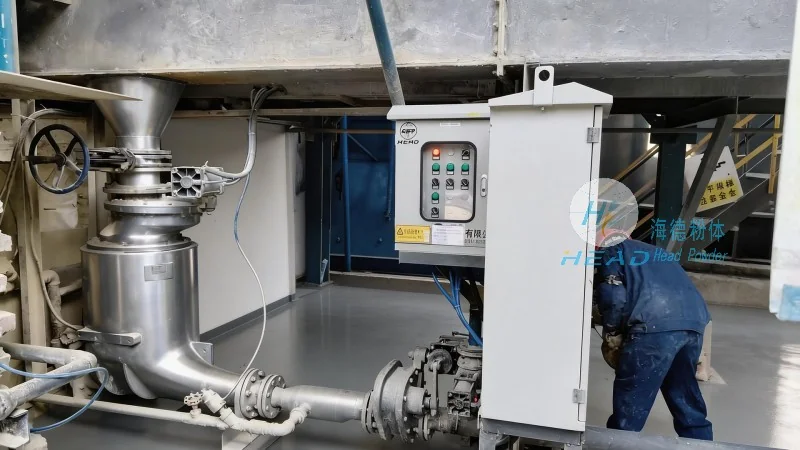
1. Powder Feeding: The lithium iron carbonate powder is fed from the storage silo or a bulk container into the feeding unit. The feeding unit ensures a consistent flow of material, which is then directed into the pneumatic conveying system.
2. Pneumatic Conveying: The powder is transported through the pneumatic conveying system using compressed air. The air flows through the pipes, carrying the powder particles along with it. The system is designed to maintain a stable pressure and flow rate, ensuring that the powder is conveyed without clogging or degradation.
3. Dosing and Metering: At the processing or packaging stage, the powder is dosed using the dosing and metering equipment. The system ensures that the correct amount of powder is used, which is critical for maintaining the quality of the final product.
4. Dust Control: Throughout the process, the dust collection and filtration system captures any airborne particles, ensuring that the working environment remains safe and clean.
5. Storage and Discharge: The processed or packaged powder is stored in the storage silo or transferred to the next stage of the production process. The system is designed to handle the entire cycle of powder handling, from storage to discharge, with minimal human intervention.
Key Features and Benefits of the System
The lithium iron carbonate powder handling system offers several key features and benefits that make it an ideal solution for industrial applications. These include:
1. Efficient Material Handling: The system is designed to handle fine powders efficiently, with minimal material loss and degradation. The pneumatic conveying system ensures that the powder is transported without caking or agglomeration, which can affect the quality of the final product.
2. Safe and Clean Operation: The dust collection and filtration system ensures that the working environment is safe and clean, reducing the risk of respiratory issues and other health hazards associated with powder handling.
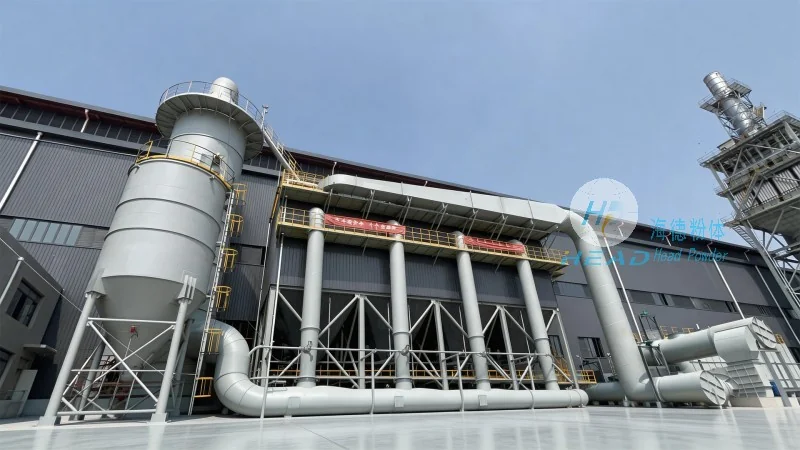
3. Customizable Design: HeadPowder offers customized solutions tailored to the specific needs of clients. The system can be designed to handle different powder types, flow rates, and processing requirements, ensuring that it meets the unique demands of each application.
4. Reliable Performance: The components of the system are designed for durability and reliability, ensuring that the system operates continuously without downtime. The use of high-quality materials and advanced technologies ensures that the system performs consistently over time.
5. Environmental Compliance: The system is designed to meet environmental and safety standards, ensuring that it operates in compliance with regulations. The dust collection and filtration system reduces the environmental impact of the powder handling process, making it an environmentally friendly solution.
Applications and Industries
The lithium iron carbonate powder handling system is widely used in various industries, particularly in the production of lithium-ion batteries. The system is also used in other applications where fine powders need to be handled efficiently and safely. Some of the key industries that use this system include:
1. Battery Manufacturing: Lithium iron carbonate is a key material used in the production of lithium-ion batteries. The powder handling system is used to transport and process the powder into the battery cells, ensuring that the final product meets the required specifications.
2. Chemical Processing: The system is used in chemical processing facilities to handle various fine powders, such as pigments, catalysts, and other chemicals. The system ensures that the powders are handled efficiently and safely, reducing the risk of accidents and contamination.
3. Pharmaceutical Industry: The system is used in the pharmaceutical industry to handle fine powders, such as active pharmaceutical ingredients (APIs) and excipients. The system ensures that the powders are handled in a sterile and controlled environment, meeting the strict quality and safety standards of the industry.
4. Food Processing: The system is used in food processing facilities to handle fine powders, such as spices, flavorings, and other food additives. The system ensures that the powders are handled in a hygienic and safe manner, meeting the food safety regulations.
Conclusion
The lithium iron carbonate powder handling system is a critical component in the production of lithium-ion batteries and other industries that require efficient handling of fine powders. HeadPowder's expertise in powder handling technology ensures that the system is designed and manufactured to meet the highest standards of performance, safety, and reliability. By integrating advanced components and technologies, the system provides a comprehensive solution for handling lithium iron carbonate powder, ensuring that it is transported, stored, and processed efficiently and safely. HeadPowder's commitment to innovation and customer satisfaction makes it a trusted partner for businesses seeking reliable powder handling solutions.